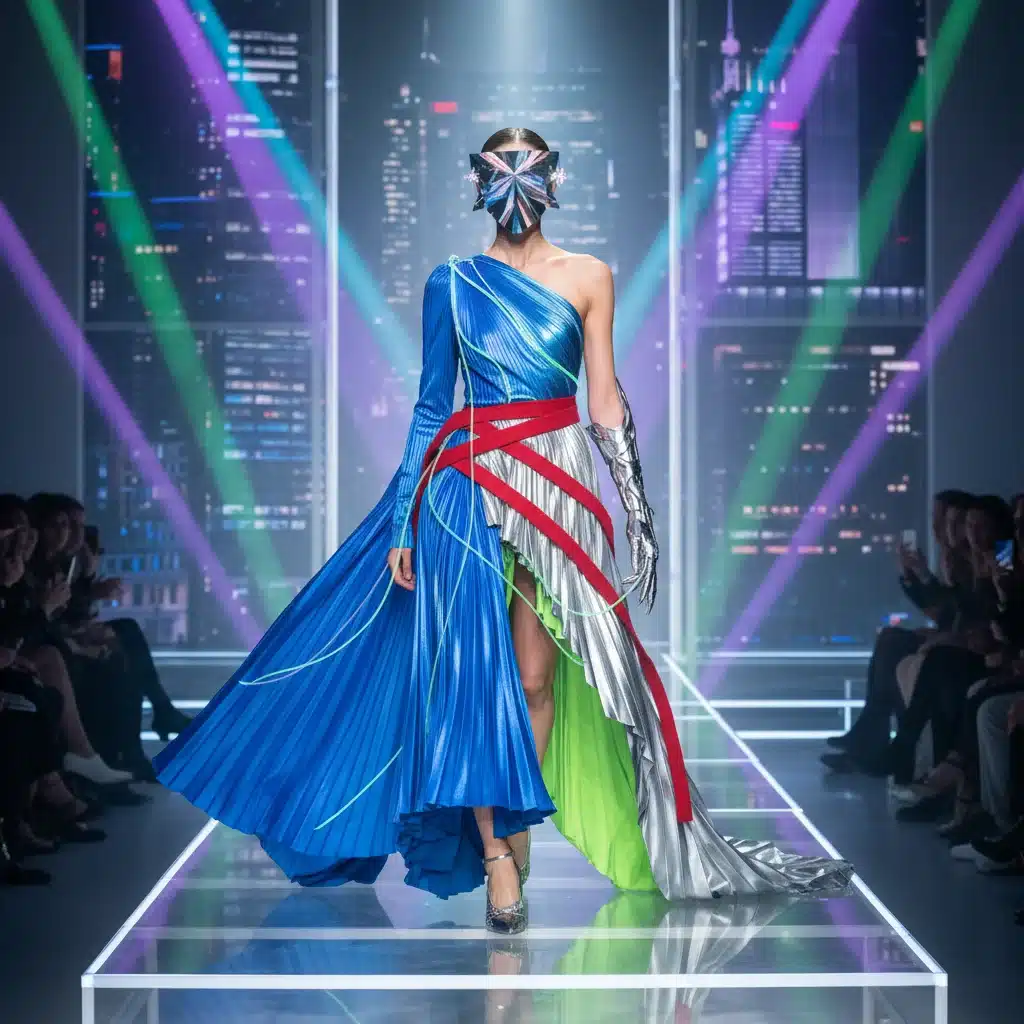
Avant-Garde in America: 6 High-Fashion Trends Expected to Dominate Runways by 2026
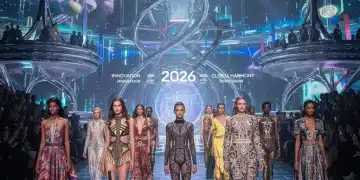
The fashion landscape is a constantly evolving tapestry, woven with threads of creativity, innovation, and societal shifts. While European fashion houses have historically dictated global trends, American designers are increasingly pushing boundaries, fostering a unique brand of American Avant-Garde Fashion that is both daring and commercially viable. By 2026, we anticipate a seismic shift in high fashion, with several groundbreaking trends emerging from the heart of America, redefining aesthetics and challenging conventional norms. This article delves into six such high-fashion trends, offering a glimpse into the future of American runways and the ingenious minds shaping them.
The term “avant-garde” itself, originating from the French military term meaning “advance guard” or “vanguard,” perfectly encapsulates the spirit of these trends. It refers to people or works that are experimental, radical, or unorthodox with respect to art, culture, or society. In fashion, it signifies a departure from the mainstream, an exploration of new forms, materials, and concepts that often predict the future direction of style. American designers, with their inherent spirit of individualism and innovation, are uniquely positioned to lead this charge, blending artistic expression with a pragmatic understanding of the modern consumer. The upcoming years will not only see a proliferation of these experimental designs but also a deeper integration of sustainability, technology, and cultural narratives into the very fabric of high fashion.
1. Hyper-Textural Exploration: Sensory Overload & Tactile Narratives
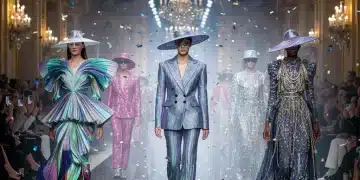
One of the most compelling aspects of future American Avant-Garde Fashion will be the intense focus on hyper-textural exploration. Designers are moving beyond mere visual appeal, creating garments that engage multiple senses. Expect to see collections rich in extreme textures – from exaggerated shags and intricate embroideries to innovative 3D fabric manipulations and surprising material pairings. Imagine dresses crafted from woven metallic fibers juxtaposed with raw, organic cotton, or coats featuring panels of recycled plastic molded into sculptural forms alongside delicate silk georgette. This trend is about creating a tactile narrative, where the feel of the garment tells as much of a story as its silhouette. The goal is to evoke an emotional response through touch, making the wearer and observer experience the clothing on a deeper, more visceral level. This extends to the use of unconventional materials like biomaterials that mimic natural textures or industrial materials repurposed for their unique feel. The interplay of rough and smooth, rigid and fluid, will define this era, pushing the boundaries of what is considered wearable art. Furthermore, advancements in textile technology will allow for textures that are not only visually and tactilely striking but also offer enhanced functionality, such as temperature regulation or self-cleaning properties, adding another layer of innovation to this trend. The meticulous handcraftsmanship involved in creating these intricate textures will also elevate the perceived value and artistry of the garments, making each piece a unique work of art. This trend also speaks to a desire for authenticity and craftsmanship in an increasingly digital world, offering a tangible, sensory experience that mass-produced items often lack. The exploration of texture will also involve a playful approach to layering different materials, creating unexpected visual and tactile contrasts that challenge traditional notions of garment construction. Think about the potential of smart textiles that change texture based on environmental conditions or user preference, adding an interactive dimension to the wearer’s experience. This hyper-textural approach is not just about aesthetics; it’s about redefining the relationship between the body and the garment, making clothing a truly immersive experience.
2. Bio-Integrated & Sustainable Futurism: Nature Meets Tech
Sustainability is no longer a buzzword; it’s a fundamental pillar of future fashion. However, American Avant-Garde Fashion will take this a step further by integrating bio-innovation and advanced technology. We’re talking about garments made from lab-grown fabrics like mushroom mycelium leather, algae-based dyes, and textiles that can biodegrade at the end of their life cycle. Beyond materials, designers will experiment with bio-integrated components, such as clothing embedded with sensors that monitor the wearer’s health or adjust to environmental conditions. Imagine a jacket that adapts its insulation based on temperature fluctuations or a dress that changes color in response to air quality. This trend is about creating a symbiotic relationship between nature, technology, and the human body, blurring the lines between fashion, science, and environmental consciousness. The focus will be on closed-loop systems, minimizing waste and maximizing resource efficiency throughout the garment’s entire lifecycle. Designers will collaborate with scientists and engineers to develop materials that not only look good but also contribute positively to the planet. This includes exploring textiles that can purify air or water, or even generate energy. The aesthetic will often reflect this ethos: organic, earthy tones might be paired with sleek, metallic accents, or natural fibers might be woven with smart threads. This fusion represents a holistic approach to design, where every element serves a purpose beyond mere aesthetics. The ethical implications of material sourcing and production will be paramount, driving innovation towards truly sustainable and regenerative fashion practices. The rise of bio-integrated fashion also signals a shift from purely decorative clothing to garments that offer tangible benefits and interact with their environment in meaningful ways. This is the ultimate expression of responsible luxury, where cutting-edge design meets ecological imperative.
3. Deconstructed Americana: Reimagining Iconic Silhouettes
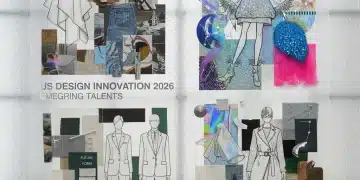
American fashion has a rich heritage of iconic silhouettes – think denim, workwear, sportswear, and the classic trench coat. The American Avant-Garde Fashion of 2026 will deconstruct and reimagine these familiar forms, twisting them into something entirely new and unexpected. This isn’t about mere homage; it’s about radical transformation. Denim jackets might be reassembled into sculptural dresses with exaggerated proportions, or baseball caps could be integrated into architectural headpieces. Workwear overalls might be elevated into high-fashion jumpsuits with intricate tailoring and luxurious fabrics. The essence of Americana will remain, but its manifestation will be unrecognizable to the casual observer. Designers will play with asymmetry, cut-outs, and unconventional layering, challenging the traditional understanding of how these garments should be worn or constructed. This trend reflects a desire to break free from the constraints of historical precedents while still acknowledging their cultural significance. It’s a dialogue between past and future, tradition and innovation. The raw, unfinished edges, exposed seams, and unexpected fabric mixes will be hallmarks of this deconstructed aesthetic. This approach allows for a playful yet profound commentary on American identity and its evolution. It’s about taking the mundane and making it magnificent, transforming everyday items into objects of high art. The silhouettes will often be oversized and gender-neutral, reflecting a broader cultural shift towards inclusivity and fluidity in fashion. This trend celebrates the inherent versatility and timelessness of American classics, while simultaneously propelling them into a bold, new era of design. The reimagining of these staples will also involve an exploration of their historical context, offering a fresh perspective on their cultural impact and potential for future interpretation.
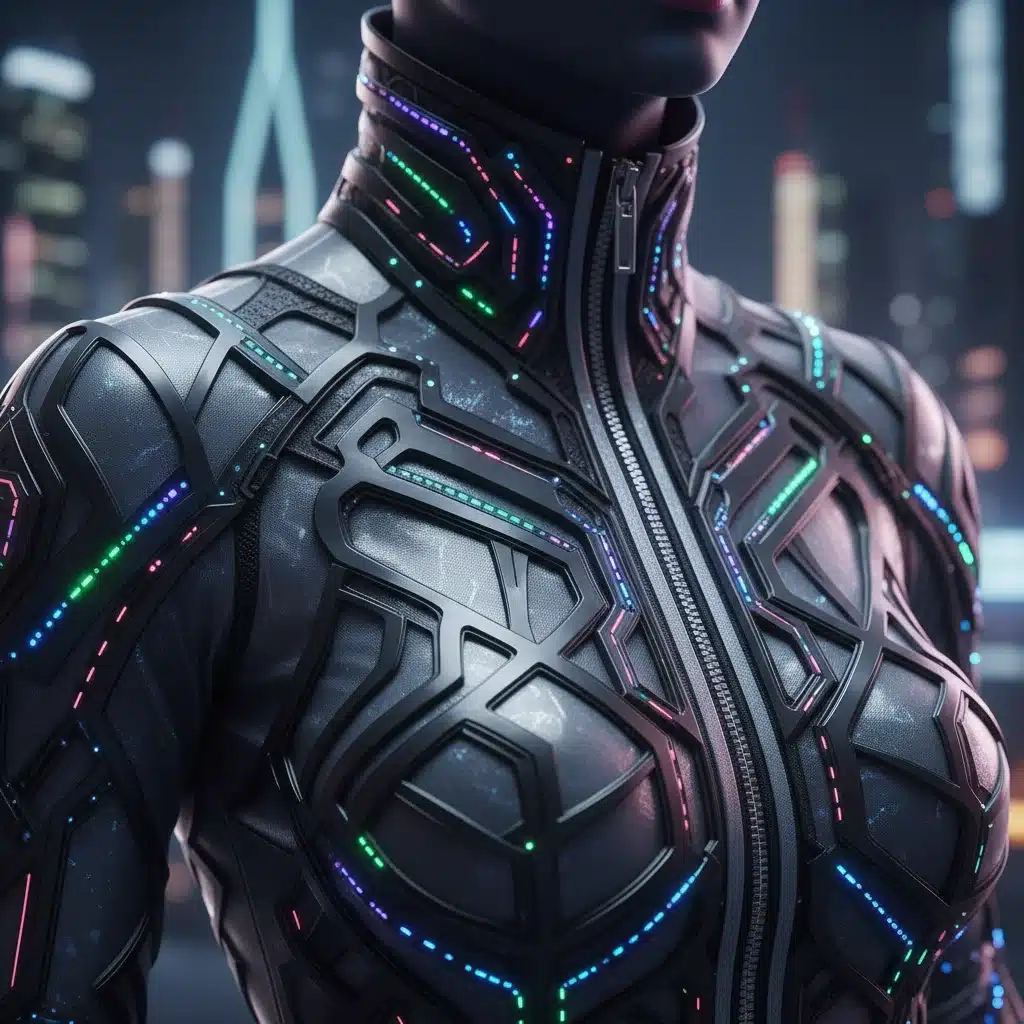
4. Digital Alchemy & Augmented Reality Fashion: Blurring Realities
The digital realm is increasingly intertwined with our physical world, and high fashion is no exception. By 2026, American Avant-Garde Fashion will fully embrace digital alchemy, presenting collections that exist simultaneously in physical and augmented realities. Expect to see designers showcasing physical garments alongside their digital twins, which can be experienced through AR filters, virtual try-ons, or even worn in metaverse platforms. This trend extends beyond mere presentation; it influences the design process itself. Designers will utilize 3D modeling, generative AI, and virtual prototyping to create complex, impossible-to-manufacture-physically designs that can be brought to life digitally. Some garments might feature embedded micro-LEDs, programmable textiles, or responsive materials that change appearance based on digital inputs or user interaction. The concept of “wearable technology” will evolve into “integrated technology,” where the tech is seamlessly woven into the fabric of the garment, becoming an intrinsic part of its aesthetic and function. This allows for unprecedented levels of customization and personalization, where a single physical garment can manifest in countless digital variations. The line between what is real and what is augmented will blur, creating a new dimension of fashion experience. This also opens up new avenues for sustainability, as virtual garments produce no physical waste. Fashion shows might incorporate holographic projections or interactive digital installations, transforming the runway into an immersive, multi-sensory experience. The digital component will not just be an add-on; it will be integral to the garment’s identity and narrative. This trend signifies a paradigm shift in how we perceive and interact with clothing, moving beyond its purely physical form into a dynamic, ever-changing digital existence. The potential for artistic expression becomes limitless when designers are no longer constrained by the laws of physics, allowing for truly fantastical and imaginative creations.
5. Emotional & Transformative Wear: Clothing as a Second Skin
Future American Avant-Garde Fashion will delve into the psychological and emotional aspects of clothing, creating garments that are not just worn but experienced. This trend focuses on transformative wear – clothing that changes in response to the wearer’s mood, environment, or even body shape. Imagine fabrics that shift color based on your heart rate, or garments that reconfigure their silhouette with a simple gesture or thought. This is about clothing as an extension of the self, a second skin that is responsive and adaptive. Designers will explore materials with memory, self-healing properties, or those that can be molded and reshaped by the wearer. The aesthetic will often be fluid, adaptable, and highly personal, moving away from rigid, pre-defined forms. This trend taps into a deeper understanding of human psychology, recognizing that clothing can be a powerful tool for self-expression, comfort, and even therapy. The garments might incorporate biofeedback mechanisms, allowing for a more intimate connection between the wearer and their apparel. This could manifest in designs that offer tactile stimulation to reduce stress or fabrics that provide a sense of security and enclosure. The concept of “smart textiles” will evolve to include emotional intelligence, where the clothing actively participates in the wearer’s well-being. This pushes the boundaries of traditional garment design, moving into the realm of wearable psychology and personalized interaction. The transformative aspect is not just visual; it’s about creating a dynamic relationship where the clothing responds to and enhances the wearer’s internal state. This trend represents a profound shift towards truly personalized and empathetic fashion, where the garment is a partner in the wearer’s journey. The ultimate goal is to create clothing that is not only beautiful but also deeply meaningful and intimately connected to the individual.
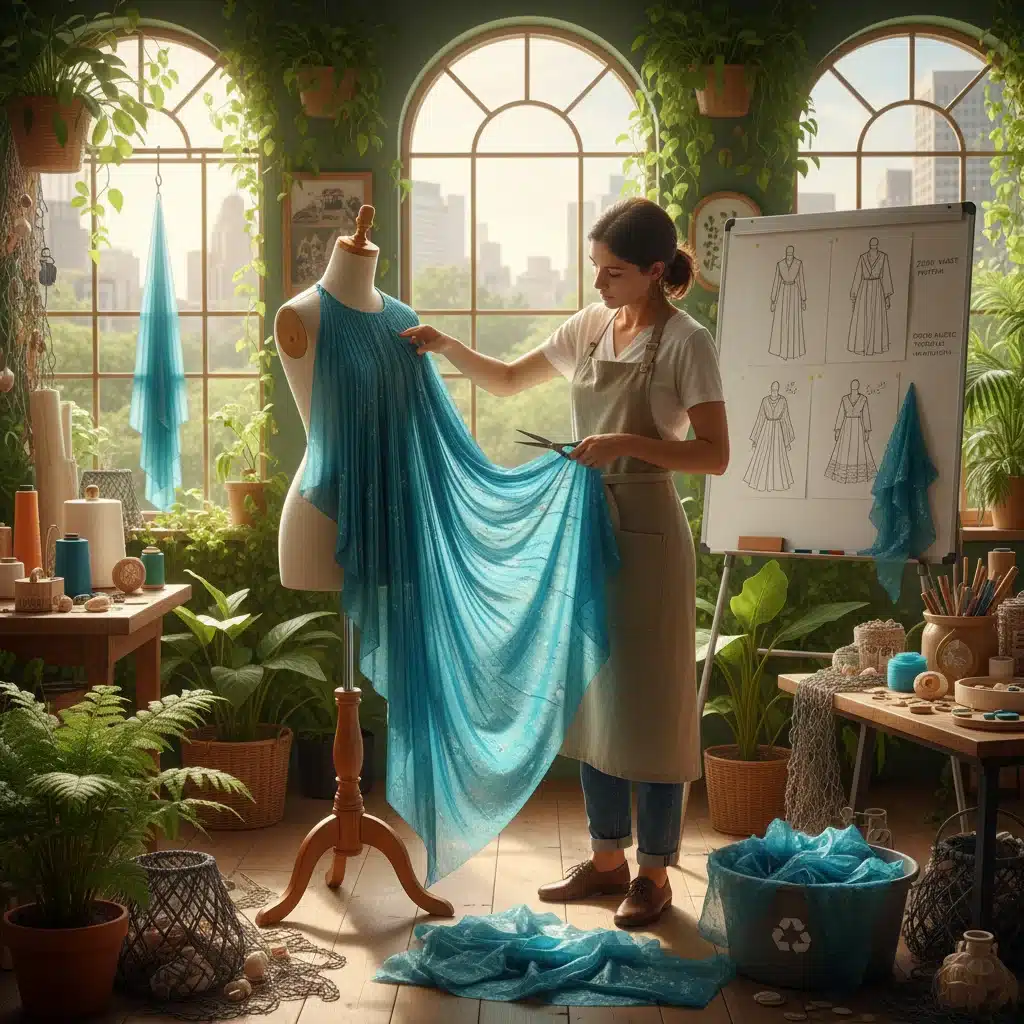
6. Gender-Fluid & Non-Binary Architectural Forms: Sculpting Identity
The traditional lines of gender in fashion are rapidly dissolving, and American Avant-Garde Fashion will be at the forefront of this revolution. By 2026, expect to see a proliferation of gender-fluid and non-binary architectural forms that defy conventional categorization. Designers will focus on creating garments that are not designed for a specific gender but rather for the human form, emphasizing sculptural silhouettes, exaggerated volumes, and innovative draping that transcend traditional gendered aesthetics. This trend is about liberating the body from societal expectations, allowing individuals to express their identity through clothing without constraint. The forms will often be architectural, featuring sharp angles, bold lines, and unexpected constructions that create a sense of movement and dynamism. Think about garments that can be worn in multiple ways, adapting to different body types and personal styles. This challenges the very notion of what constitutes “masculine” or “feminine” attire, celebrating fluidity and individuality. The color palettes might be muted and monochromatic, allowing the form and texture of the garment to take center stage, or they could be vibrant and expressive, reflecting the diverse spectrum of human identity. This trend is a powerful statement about inclusivity and self-determination in fashion. It moves beyond simply designing unisex clothing to creating truly genderless pieces that offer a new vocabulary for self-expression. The emphasis is on the wearer’s personal interpretation and how they choose to inhabit the garment, rather than on pre-conceived notions of gender. This approach fosters a more democratic and expressive fashion landscape, where creativity and individuality are paramount. The silhouettes will often be characterized by their versatility and adaptability, allowing for a wide range of styling options and personal interpretations. This trend is not just about aesthetics; it’s about a fundamental shift in how we understand and categorize clothing in relation to identity.
The Future is Now: Embracing American Avant-Garde Fashion
The trajectory of American Avant-Garde Fashion towards 2026 is clear: it’s a path paved with innovation, sustainability, and a profound understanding of the human condition. These six trends represent not just a shift in aesthetics but a fundamental reimagining of what fashion can be. From hyper-textural explorations that engage our senses to bio-integrated designs that heal our planet, from deconstructed Americana that honors heritage while forging new paths to digital alchemy that blurs the lines of reality, and from emotional wear that responds to our inner selves to gender-fluid architectural forms that celebrate individuality – the future of American high fashion is vibrant, daring, and deeply meaningful.
These trends are more than just fleeting fads; they are reflections of broader societal movements towards authenticity, environmental responsibility, technological integration, and radical self-expression. American designers, with their unique blend of entrepreneurial spirit and artistic vision, are uniquely positioned to lead this charge, proving that high fashion can be both groundbreaking and relevant to the contemporary world. As we look towards 2026, the runways will not just showcase clothes; they will present visions of a future where fashion is intelligent, sustainable, personal, and profoundly artful. Prepare to witness a new era where American Avant-Garde Fashion truly takes center stage, inspiring and transforming the global style narrative for years to come.
The impact of these trends will extend beyond the high-fashion runways, gradually influencing ready-to-wear collections and even mainstream consumer choices. As technologies become more accessible and sustainable practices become standard, elements of these avant-garde movements will filter down, making innovative design more widely available. This trickle-down effect ensures that the bold visions of today’s avant-garde designers become the common aesthetics of tomorrow. The emphasis on craftsmanship, material innovation, and ethical production will also elevate consumer expectations, encouraging a more thoughtful and conscious approach to fashion consumption. Ultimately, American Avant-Garde Fashion is not just about creating beautiful garments; it’s about shaping a more sustainable, inclusive, and technologically advanced future for the entire industry.