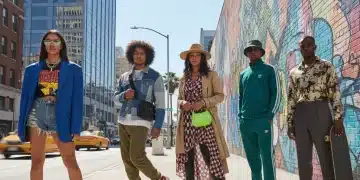
Vintage Reimagined: Archival Fashion Driving 7% Resale Market Growth in US by 2026
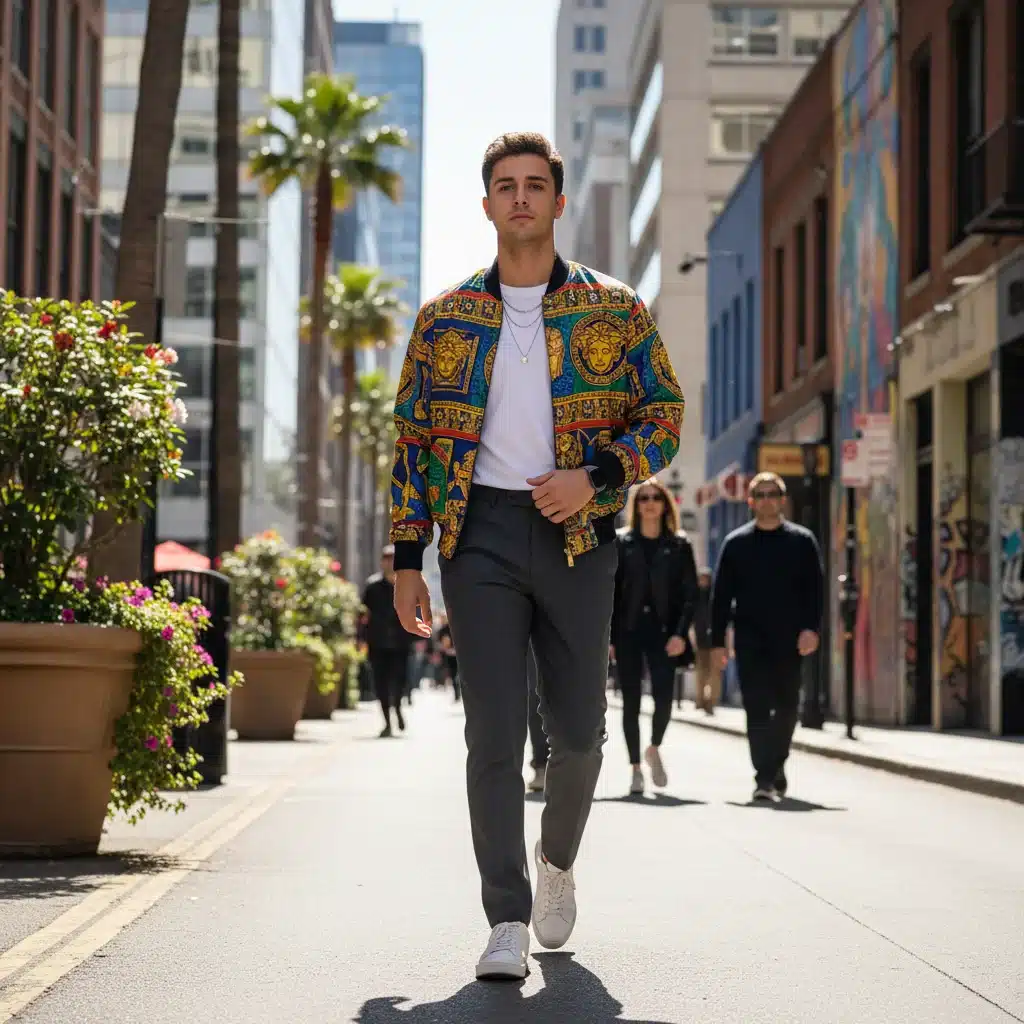
Vintage Reimagined: Archival Fashion Driving 7% Resale Market Growth in US by 2026
The fashion landscape is in a constant state of flux, always evolving, yet often looking to the past for inspiration. In recent years, this backward glance has transformed into a full-blown embrace of what is now widely known as archival fashion trend. This isn’t just about vintage finds; it’s about a conscious appreciation for historical pieces, their craftsmanship, their stories, and their enduring style. This burgeoning interest in pre-owned, high-quality garments is not merely a fleeting fad; it’s a significant economic driver, with projections indicating a robust 7% growth in the US resale market by 2026, largely fueled by this very phenomenon.
The allure of archival fashion extends beyond mere aesthetics. It touches upon deeply rooted desires for individuality, sustainability, and a connection to fashion history. As consumers become more discerning and environmentally conscious, the appeal of unique, well-made items that stand the test of time intensifies. This comprehensive guide will delve into the multifaceted reasons behind the rise of the archival fashion trend, its impact on the US resale market, and what this means for the future of fashion.
Understanding the Archival Fashion Trend
What exactly defines the archival fashion trend? It’s more nuanced than simply buying second-hand clothes. Archival fashion refers to garments, accessories, and sometimes even entire collections from past seasons or decades that hold significant historical, cultural, or design value. These are pieces that have often been preserved, are rare, and are sought after by collectors, fashion enthusiasts, and those looking to inject a unique narrative into their wardrobes. Think of iconic runway pieces from the 90s, limited-edition collaborations from the early 2000s, or even beautifully crafted staples from mid-century designers.
The Shift from Fast Fashion to Enduring Style
For decades, fast fashion dominated the industry, churning out trends at an unprecedented pace, encouraging constant consumption and disposability. However, the tide has turned. Consumers are increasingly aware of the environmental and ethical costs associated with rapid production cycles. The archival fashion trend offers a powerful antidote. By investing in pieces that have already proven their longevity and style, consumers are making a statement against throwaway culture. These garments are often made with superior materials and construction techniques that are increasingly rare in contemporary mass-produced clothing. This focus on enduring style over fleeting trends is a core pillar of the archival movement.
The Influence of Pop Culture and Social Media
Social media platforms like Instagram and TikTok have played an undeniable role in propelling the archival fashion trend into the mainstream. Influencers, celebrities, and even everyday fashionistas proudly showcase their vintage finds, highlighting the uniqueness and storytelling potential of these pieces. Red carpet events frequently feature celebrities donning iconic archival looks, sparking conversations and inspiring a new generation to explore the depths of fashion history. Documentaries and retrospectives on legendary designers also contribute to this fascination, educating audiences about the significance of certain collections and individual garments. This widespread visibility has democratized access to information about archival pieces, making them more desirable than ever.
The Economic Impact: A 7% Growth in US Resale Market
The numbers speak for themselves. The projected 7% growth in the US resale market by 2026 is a testament to the powerful economic force that the archival fashion trend has become. This growth isn’t just about individual transactions; it represents a fundamental shift in consumer behavior and industry dynamics. The resale market, encompassing everything from luxury consignment to online thrift stores, is no longer a niche segment but a formidable competitor to traditional retail.
Democratizing Luxury and Designer Fashion
One of the most significant contributions of the archival fashion trend to the resale market is its ability to democratize luxury. High-end designer pieces, often unattainable at their original retail price, become accessible to a broader audience through resale platforms. This allows more people to experience the quality, design, and prestige associated with luxury brands, without the exorbitant price tag. For many, acquiring an archival designer piece is an investment, a statement, and a way to own a piece of fashion history.
New Business Models and Entrepreneurship
The boom in archival fashion has also spawned a wave of innovative business models and entrepreneurial opportunities. Online consignment platforms, curated vintage boutiques, rental services specializing in archival pieces, and even personal stylists focusing on sourcing unique vintage items are thriving. These businesses often employ sophisticated authentication processes, meticulous restoration techniques, and expert curation to ensure the quality and authenticity of their offerings, further building consumer trust in the resale market. This ecosystem of specialized businesses is a key driver of the market’s expansion.
Investment Potential of Archival Pieces
For some, archival fashion is not just about personal style but also about investment. Certain designer pieces, particularly those from influential collections or limited editions, can appreciate in value over time. Just as art collectors invest in masterpieces, fashion connoisseurs are now recognizing the long-term value of rare and iconic garments. This investment potential adds another layer of appeal to the archival fashion trend, attracting a savvy segment of consumers who view their wardrobe as a tangible asset.
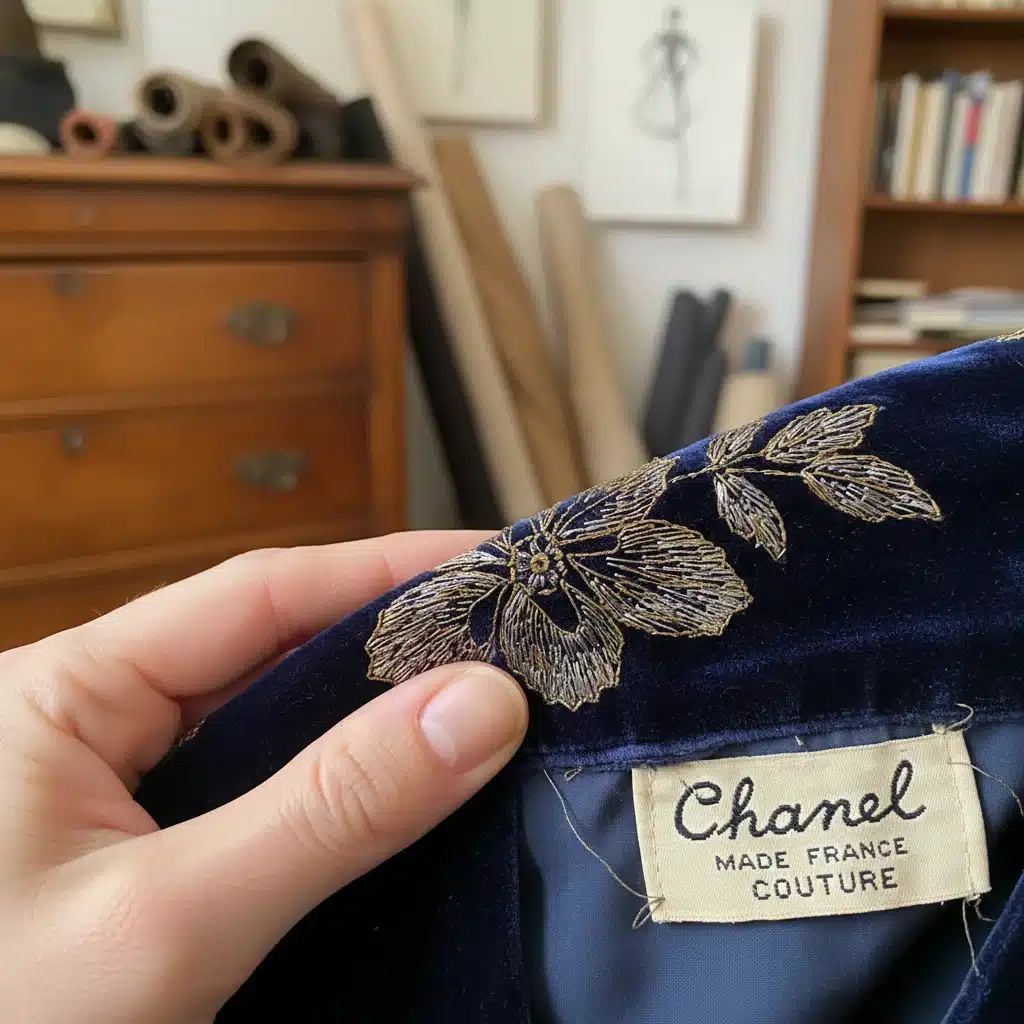
Sustainability: The Ethical Imperative of Archival Fashion
Beyond style and economics, sustainability stands as a cornerstone of the archival fashion trend. The fashion industry is notoriously one of the most polluting industries globally, from water consumption and chemical waste to carbon emissions and textile landfill. Archival fashion offers a compelling solution to many of these environmental challenges.
Reducing Waste and Extending Lifecycles
By recirculating garments, the archival fashion trend directly combats textile waste. Instead of ending up in landfills, clothes are given a second, third, or even fourth life. This extension of a garment’s lifecycle dramatically reduces its environmental footprint. Every pre-owned item purchased is one less new item produced, thereby conserving resources, energy, and minimizing pollution associated with manufacturing.
Decreasing Carbon Footprint
The production and transportation of new clothing contribute significantly to greenhouse gas emissions. Opting for archival pieces inherently lowers one’s carbon footprint. The environmental impact of a garment is largely concentrated in its initial production phase. By choosing items already in existence, consumers are effectively ‘decoupling’ their fashion consumption from new production, leading to a more sustainable wardrobe. This aligns perfectly with broader global efforts to mitigate climate change and promote a circular economy.
Promoting Ethical Consumption
The ethical implications of fast fashion, including poor labor practices and unsafe working conditions, have come under intense scrutiny. While not all vintage pieces are guaranteed to be ethically produced in their original creation, the act of buying second-hand generally promotes a more ethical consumption model. It supports local businesses (in the case of physical vintage stores), reduces demand for exploitative new production, and encourages a mindful approach to fashion that values longevity and quality over fleeting trends. The archival fashion trend encourages consumers to ask critical questions about where their clothes come from and how they are made, fostering a more responsible consumer base.
Challenges and Opportunities in the Archival Market
While the archival fashion trend presents immense opportunities, it is not without its challenges. Understanding these hurdles is crucial for both consumers and businesses operating within this growing sector.
Authenticity and Counterfeits
One of the primary concerns in the resale market, especially for high-value archival pieces, is authenticity. The prevalence of counterfeit goods poses a significant risk to buyers. Reputable platforms and sellers invest heavily in authentication technologies and expert verification processes to build trust. For consumers, it’s vital to research sellers, understand return policies, and look for authentication guarantees when purchasing expensive archival items. This challenge, however, also presents an opportunity for businesses to specialize in authentication services, adding another layer of value to the resale ecosystem.
Condition and Restoration
Archival pieces, by their very nature, are pre-owned and often decades old. Their condition can vary widely, from pristine to needing significant restoration. Managing consumer expectations regarding wear and tear, and providing transparent descriptions of a garment’s condition, are critical. Furthermore, the demand for skilled textile restorers and conservators is on the rise, creating a niche market for professionals who can breathe new life into valuable historical garments. This aspect of the archival fashion trend emphasizes craftsmanship and the art of preservation.
Sourcing and Curation
For businesses, sourcing desirable and authentic archival pieces can be a complex and time-consuming endeavor. It requires extensive knowledge of fashion history, brand provenance, and market demand. Effective curation is key to building a successful archival fashion business, distinguishing it from general thrift stores. This challenge, however, also fosters a vibrant community of expert buyers and sellers, each contributing to the richness and diversity of the market. The hunt for that perfect, rare piece is part of the excitement for both seller and buyer.
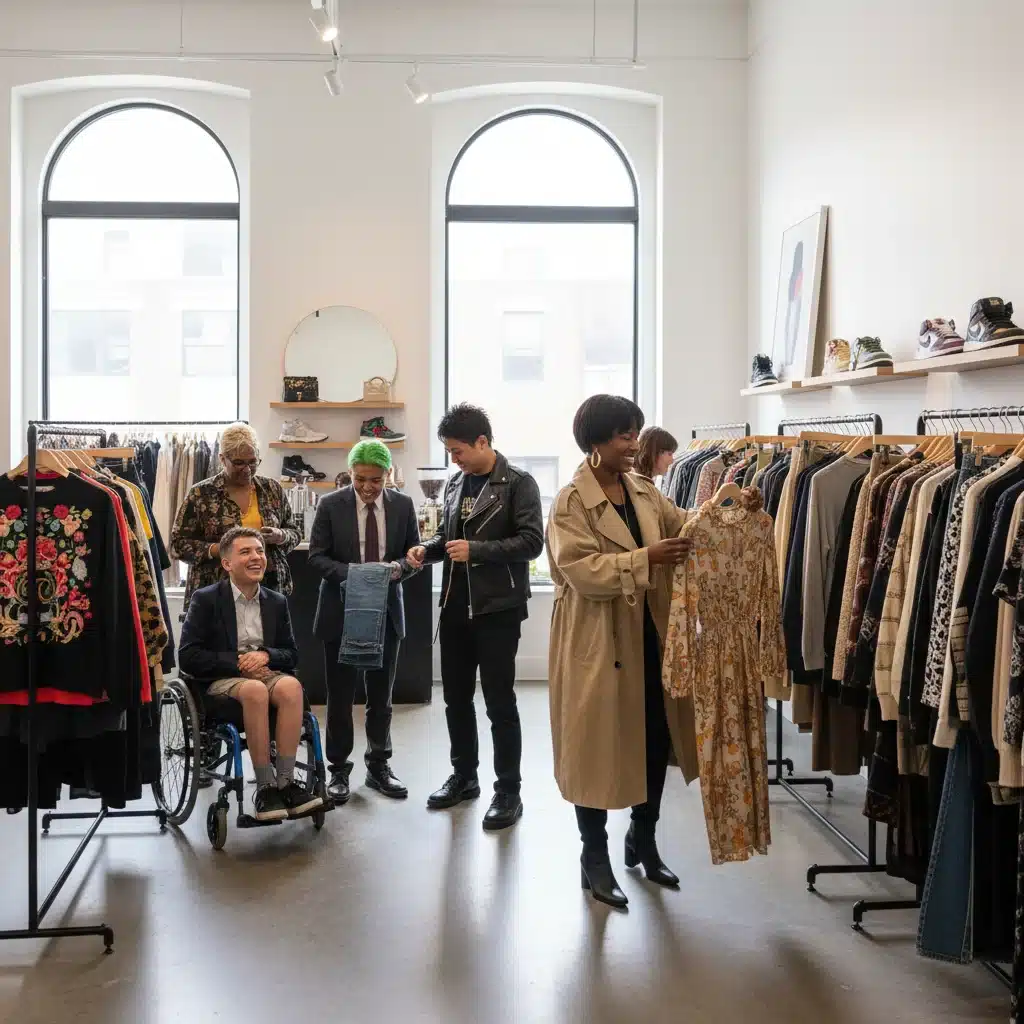
The Future of Fashion: Embracing the Past
The archival fashion trend is more than just a passing moment; it represents a fundamental recalibration of our relationship with clothing. As we move towards 2026 and beyond, this trend is poised to continue its upward trajectory, shaping consumer habits, driving innovation in retail, and fostering a more sustainable and conscious fashion industry.
Integration into Mainstream Retail
We are already seeing major retailers and luxury brands integrating resale and archival collections into their business models. This could involve dedicated sections for pre-owned items, partnerships with established resale platforms, or even brand-specific take-back and resale programs. This mainstream adoption will further legitimize and normalize the purchase of archival fashion, making it an even more accessible option for a wider audience.
Technological Advancements in Resale
Technology will continue to play a crucial role in the evolution of the archival fashion trend. AI-powered authentication, blockchain for provenance tracking, and enhanced virtual try-on experiences will make buying archival pieces online more secure, transparent, and engaging. These innovations will streamline processes, improve consumer confidence, and open up new avenues for growth within the resale market.
A Circular Economy for Fashion
Ultimately, the archival fashion trend is a powerful force driving the fashion industry towards a more circular economy. This model prioritizes keeping resources in use for as long as possible, extracting maximum value from them while in use, then recovering and regenerating products and materials at the end of each service life. Archival fashion embodies this principle perfectly, proving that style, sustainability, and economic growth can indeed go hand-in-hand. It encourages a mindset where clothing is valued as a durable asset rather than a disposable commodity.
Conclusion: The Enduring Allure of Archival Fashion
The projected 7% growth in the US resale market by 2026, largely attributed to the archival fashion trend, underscores a profound shift in consumer values and industry practices. This movement is not merely about nostalgia; it’s a forward-thinking approach to fashion that champions individuality, sustainability, and economic viability. From democratizing luxury to mitigating environmental impact, archival fashion offers a compelling vision for the future of style.
As consumers increasingly seek authenticity, quality, and a deeper connection to their purchases, the allure of vintage reimagined will only strengthen. Embracing the archival fashion trend means investing in pieces with history, reducing our environmental footprint, and contributing to a more circular and conscientious fashion ecosystem. The past, it seems, holds the key to a more stylish and sustainable future.