Urbanwear Evolution: 2026 Athleisure Forecast US Market
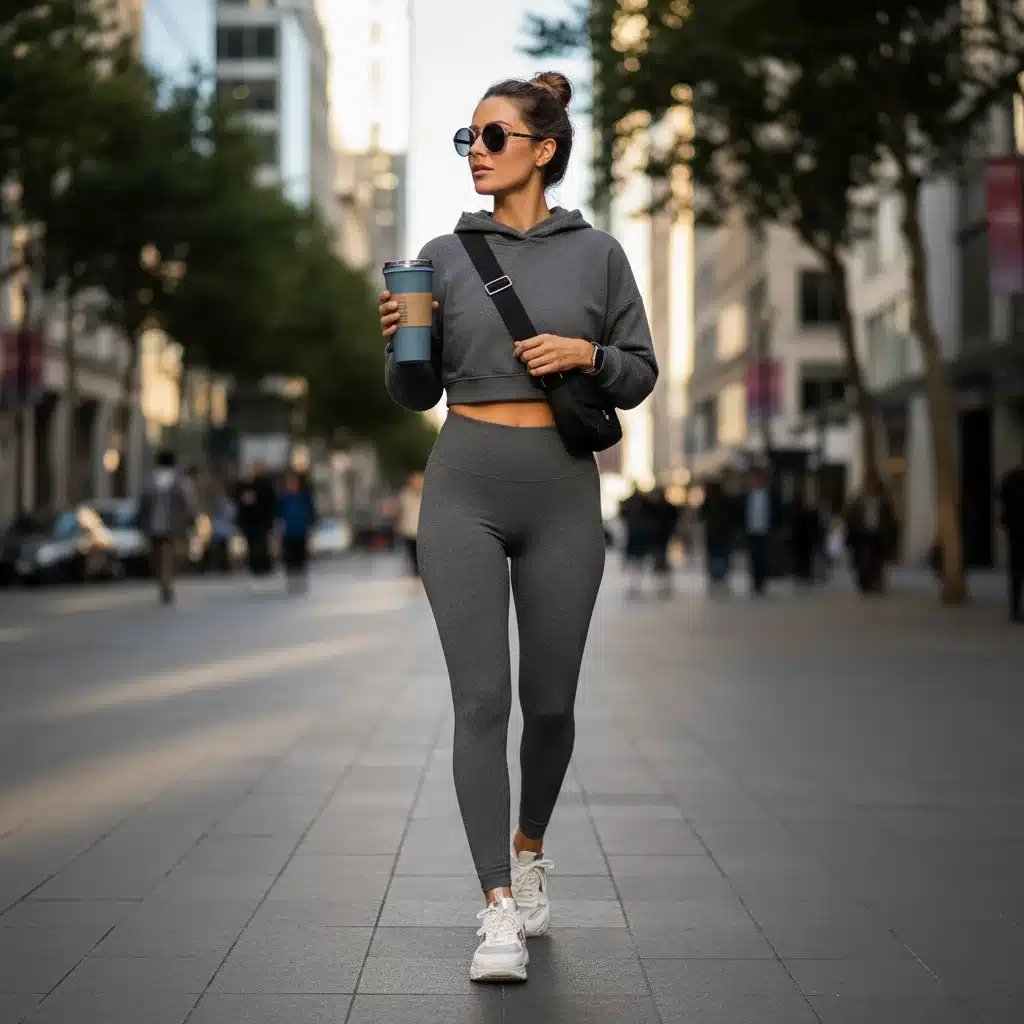
Urbanwear Evolution: The 2026 Forecast for Athleisure’s 20% Growth in the US Market
The fashion landscape is a constantly shifting entity, influenced by societal changes, technological advancements, and evolving consumer preferences. Among the most impactful transformations of the past decade has been the meteoric rise of athleisure. This hybrid style, seamlessly blending athletic wear with leisure clothing, has transcended its niche origins to become a dominant force in global fashion. In the United States, the athleisure movement is not just a trend; it’s a fundamental shift in how people dress, work, and live. Projections indicate a robust 20% growth in the athleisure US market by 2026, signaling a continued and expanding influence on urbanwear and beyond. This anticipated surge is not merely a statistical anomaly but a reflection of deeper societal currents that prioritize comfort, versatility, and a health-conscious lifestyle.
Understanding the drivers behind this impressive forecast is crucial for brands, retailers, and consumers alike. The COVID-19 pandemic, while disruptive, inadvertently accelerated many pre-existing trends, including the demand for comfortable yet stylish clothing suitable for both home and limited public outings. As remote work gained traction and lifestyles became more fluid, the lines between professional, casual, and athletic attire blurred irrevocably. This article will delve into the multifaceted reasons for the projected growth of the athleisure US market, exploring key trends, consumer behavior, technological innovations, and the strategic implications for businesses looking to capitalize on this dynamic sector.
The Genesis and Evolution of Athleisure in the US
To truly grasp the future of athleisure, it’s essential to look back at its origins and evolution. What started as performance wear for athletes gradually seeped into mainstream fashion, driven by a desire for comfort without sacrificing style. Early adopters appreciated the practicality of yoga pants and running jackets, but it was the fusion with high fashion and celebrity endorsement that catapulted athleisure into a global phenomenon. Brands like Lululemon paved the way, demonstrating that consumers were willing to invest in premium athletic wear that could double as everyday attire. The narrative shifted from purely functional garments to pieces that offered both utility and a distinct aesthetic appeal.
The US market, with its strong emphasis on health, fitness, and casual living, was particularly fertile ground for athleisure’s growth. Gym memberships soared, wellness became a lifestyle, and activewear transitioned from being confined to the gym to being acceptable in coffee shops, workplaces, and even upscale restaurants. This cultural acceptance was a critical factor in solidifying athleisure’s position. The versatility of pieces like leggings, hoodies, stylish sneakers, and tracksuits meant they could be dressed up or down, making them ideal for the fast-paced, multi-faceted lives of modern Americans. The concept of ‘dressing for comfort’ became synonymous with ‘dressing well,’ a paradigm shift that continues to fuel the athleisure US market.
Key Drivers of the 20% Growth by 2026
Several interconnected factors are propelling the athleisure US market towards its projected 20% growth by 2026. Understanding these drivers is crucial for anyone looking to navigate this lucrative sector effectively.
1. Shifting Lifestyles and the ‘New Normal’
The most significant driver is the enduring impact of lifestyle shifts. The pandemic normalized remote and hybrid work models, reducing the need for traditional corporate attire. Even as offices reopen, many companies retain flexible dress codes, favoring comfort and practicality. This ‘new normal’ has cemented athleisure’s role as everyday wear. Consumers are seeking clothing that can effortlessly transition from a morning workout to a virtual meeting, then to running errands, all while maintaining a polished appearance. The demand for multi-functional apparel is at an all-time high, and athleisure perfectly fits this requirement.
2. Health and Wellness Consciousness
A growing global emphasis on health and wellness continues to fuel the athleisure trend. More people are engaging in physical activities, from yoga and Pilates to running and hiking. This increased participation directly translates into a higher demand for comfortable, performance-enhancing activewear. Furthermore, the aesthetic of athleisure itself often signifies a commitment to a healthy lifestyle, making it a desirable fashion choice for those who want to project this image. The integration of fitness trackers and smart wearables into daily life also complements the athleisure aesthetic, creating a holistic lifestyle ecosystem.
3. Technological Advancements in Fabric and Design
Innovation in textiles and design is a silent but powerful force behind athleisure’s success. Modern athleisure wear is no longer just about stretch; it incorporates advanced features like moisture-wicking, breathability, odor resistance, UV protection, and even temperature regulation. These technological enhancements improve comfort, durability, and performance, making athleisure garments more appealing and practical for a wider range of activities and climates. Brands are continuously investing in R&D to create fabrics that offer superior comfort and functionality, pushing the boundaries of what activewear can achieve. This continuous innovation ensures that the athleisure US market remains fresh and appealing.
4. The Influence of Social Media and Celebrity Culture
Social media platforms like Instagram and TikTok play a pivotal role in disseminating fashion trends, and athleisure is no exception. Influencers, celebrities, and fitness gurus frequently showcase their athleisure outfits, making them aspirational and desirable. The visual nature of these platforms is perfectly suited for highlighting the aesthetic appeal and versatility of athleisure. Moreover, the rise of ‘micro-influencers’ and community-driven content further democratizes fashion, allowing a wider range of styles and brands to gain traction within the athleisure US market.
5. Sustainability and Ethical Production
Increasingly, consumers, especially younger demographics, are prioritizing sustainability and ethical production practices. Athleisure brands that incorporate recycled materials, employ eco-friendly manufacturing processes, and ensure fair labor practices are gaining a competitive edge. This shift towards conscious consumption means that the future growth of the athleisure US market will also be tied to brands’ abilities to meet these ethical demands. Transparency in the supply chain and commitment to environmental responsibility are becoming non-negotiable for many buyers.
Emerging Trends Shaping the Athleisure US Market
Beyond the overarching growth drivers, several specific trends are poised to define the athleisure US market in the coming years.
1. The Rise of ‘Workleisure’
As the lines between work and leisure continue to blur, a new sub-category, ‘workleisure,’ is emerging. This trend involves sophisticated athleisure pieces that are polished enough for professional settings. Think tailored joggers, performance blazers, structured knitwear, and smart sneakers. These garments offer the comfort of activewear with the aesthetic of business casual, catering to a workforce that values both professionalism and ease. Brands are responding with collections that offer elevated fabrics and cuts, specifically designed for this hybrid work environment.
2. Gender-Neutral and Inclusive Sizing
The fashion industry is moving towards greater inclusivity, and athleisure is at the forefront of this change. Gender-neutral collections, designed to be worn by anyone regardless of gender identity, are gaining popularity. Similarly, brands are expanding their sizing ranges to cater to a broader spectrum of body types, moving away from conventional, often restrictive, size charts. This commitment to inclusivity not only broadens the consumer base but also resonates with modern values of diversity and acceptance, strengthening the appeal of the athleisure US market.
3. Retro and Vintage Influences
Fashion is cyclical, and athleisure is no exception. We are seeing a strong resurgence of retro athletic aesthetics from the 70s, 80s, and 90s. Think tracksuits with bold stripes, oversized hoodies, vintage-inspired sneakers, and vibrant color palettes. This nostalgic trend appeals to consumers looking for unique, expressive pieces that stand out from the minimalist athleisure staples. Brands are reinterpreting classic designs with modern fabrics and fits, creating a fresh yet familiar appeal within the athleisure US market.
4. Hyper-Personalization and Customization
As consumer demand for unique products grows, personalization is becoming a significant trend. This includes customizable athleisure wear, where consumers can choose colors, prints, monograms, or even specific design elements. While still in its early stages, the ability to create bespoke activewear will appeal to a segment of the market looking for individuality. Furthermore, data-driven personalization, where brands recommend products based on individual activity levels, preferences, and body metrics, is also expected to grow.
5. Integration with Digital and Metaverse Experiences
The future of fashion is increasingly digital. Athleisure brands are exploring opportunities in the metaverse, offering digital wearables, virtual try-ons, and immersive shopping experiences. NFTs (Non-Fungible Tokens) representing exclusive digital athleisure items could become a new revenue stream and a way to engage with tech-savvy consumers. While still nascent, the convergence of physical and digital fashion will open new avenues for growth and brand engagement in the athleisure US market.
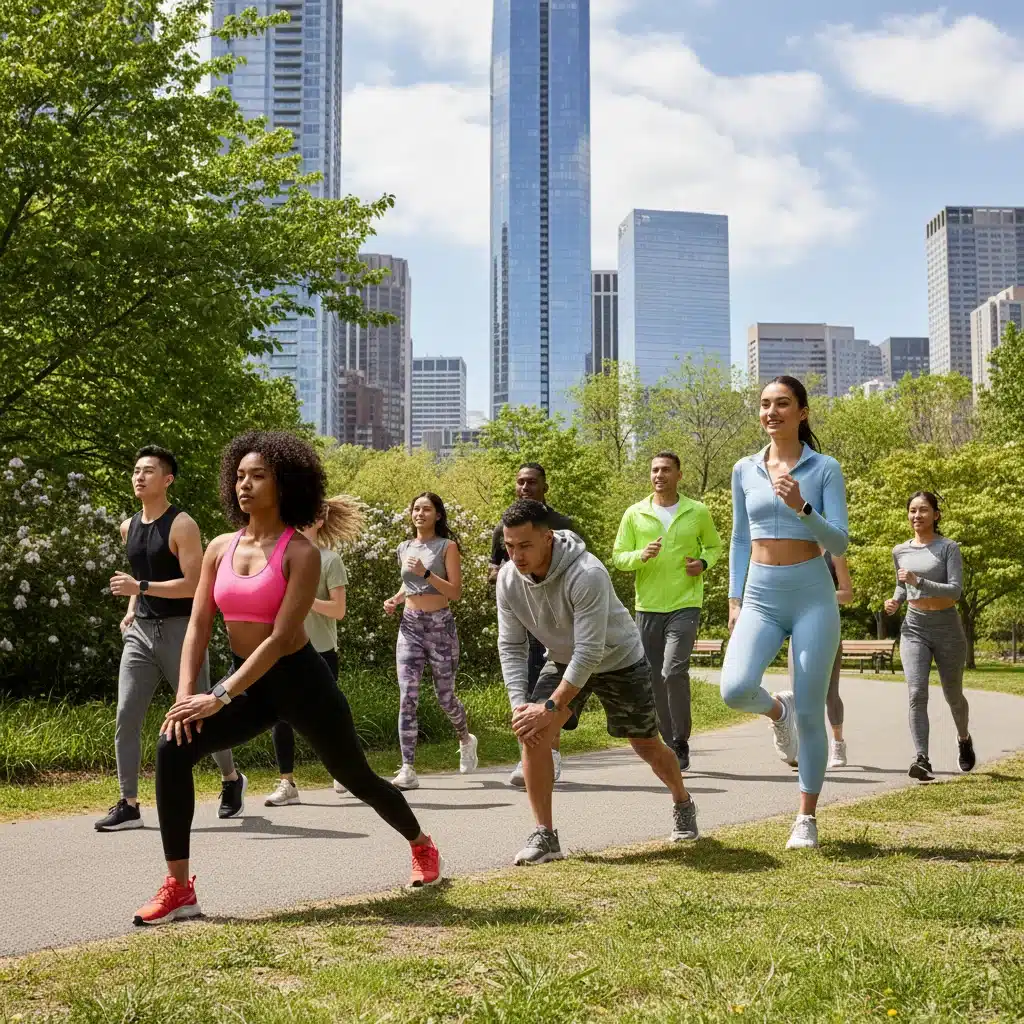
Strategic Implications for Brands in the Athleisure US Market
For businesses operating within or looking to enter the athleisure US market, the projected 20% growth presents both immense opportunities and significant challenges. Strategic planning will be paramount for success.
1. Focus on Innovation and Technology
To stay competitive, brands must continuously innovate. This means investing in R&D for new fabric technologies that offer enhanced performance, comfort, and sustainability. It also involves exploring smart textiles that can monitor vital signs or provide adaptive insulation. Beyond materials, innovation in design, such as modular garments or convertible pieces, will also be key to attracting and retaining consumers.
2. Embrace Sustainability and Transparency
The demand for sustainable and ethically produced athleisure will only intensify. Brands must integrate eco-friendly practices throughout their supply chains, from sourcing recycled and organic materials to minimizing waste and water usage in manufacturing. Transparent communication about these efforts will build trust and loyalty with environmentally conscious consumers. Brands that genuinely commit to sustainability will see a significant advantage in the athleisure US market.
3. Cultivate Community and Brand Experience
Successful athleisure brands often build strong communities around their products. This goes beyond selling clothes; it involves fostering a lifestyle. Brands can achieve this through fitness challenges, wellness events, collaborations with fitness professionals, and creating engaging online platforms. Providing an exceptional customer experience, both online and in-store, will also be crucial for differentiating brands in a crowded market. The emotional connection consumers feel with a brand can be as important as the product itself.
4. Diversify Product Offerings
While core athleisure items like leggings and hoodies will remain popular, brands should explore diversification. This includes expanding into adjacent categories like outerwear, accessories (bags, hats, socks), and even specialized equipment. The ‘workleisure’ trend, in particular, offers a vast untapped market for brands willing to blend athletic functionality with professional aesthetics. Offering a comprehensive range of products that cater to various aspects of a consumer’s active lifestyle will boost market share.
5. Leverage Data and Personalization
Data analytics will be instrumental in understanding consumer preferences, predicting trends, and optimizing marketing strategies. Brands should invest in robust data infrastructure to collect and analyze customer behavior, purchase patterns, and feedback. This data can then be used to personalize product recommendations, tailor marketing campaigns, and even inform product development, ensuring that offerings are precisely aligned with consumer demand within the athleisure US market.
Challenges and Considerations for the Future
Despite the optimistic forecast, the athleisure US market is not without its challenges. Intense competition, supply chain disruptions, and evolving consumer expectations require constant vigilance.
1. Market Saturation and Differentiation
The success of athleisure has led to a highly saturated market. New brands emerge constantly, and traditional fashion houses are also entering the space. To stand out, brands must find unique selling propositions, whether through innovative design, superior technology, a strong brand narrative, or unparalleled customer service. Generic offerings will struggle to gain traction.
2. Supply Chain Resilience
Global events have highlighted the fragility of supply chains. Brands need to build more resilient and diversified supply networks to mitigate risks from geopolitical tensions, natural disasters, or pandemics. This might involve near-shoring production or investing in advanced logistics technologies to ensure timely delivery and inventory management.
3. Economic Volatility
Economic downturns can impact consumer spending on non-essential items like fashion. While athleisure has proven to be relatively resilient due to its utility, brands must be prepared to adapt pricing strategies, offer value, and maintain strong customer relationships during periods of economic uncertainty. The perceived value of athleisure items will be critical in maintaining demand.
4. Keeping Pace with Rapidly Changing Trends
Fashion trends, particularly in a dynamic segment like athleisure, can change rapidly. Brands must be agile and responsive, capable of quickly adapting their product lines and marketing messages to align with new consumer preferences. This requires continuous market research, trend forecasting, and a flexible design and production process.

Conclusion: A Dynamic Future for Athleisure in the US
The forecast for a 20% growth in the athleisure US market by 2026 is a testament to its enduring appeal and its profound integration into modern lifestyles. This growth is not accidental; it is driven by a confluence of societal shifts, technological innovations, and evolving consumer values that prioritize comfort, versatility, health, and ethical consumption. From the normalization of remote work to the increasing emphasis on wellness, athleisure has positioned itself as the ideal wardrobe solution for the contemporary American.
For brands, the path forward involves a strategic blend of innovation, sustainability, community building, and data-driven personalization. Those that can effectively respond to the nuanced demands of consumers, while also navigating the challenges of a competitive and volatile market, will be best positioned to thrive. The evolution of urbanwear, spearheaded by athleisure, is far from over. Instead, it is entering an exciting new phase, promising more sophisticated designs, advanced functionalities, and a deeper connection to the values that define modern living. The athleisure US market is not just expanding; it is redefining what it means to be stylish and comfortable in the 21st century.
As we approach 2026, the influence of athleisure will continue to shape not just our wardrobes, but our perception of fashion itself. It’s a movement that champions practicality, well-being, and individual expression, ensuring its place as a cornerstone of the US fashion industry for years to come. The brands that understand and embrace these underlying principles will be the ones that capture the lion’s share of this burgeoning market.