Bypassing the Gatekeepers: 4 Direct-to-Consumer Strategies for US Emerging Designers in 2026

In the dynamic and often challenging landscape of the fashion industry, emerging designers in the United States face a constant battle: how to gain visibility, reach their target audience, and build a sustainable business without succumbing to the traditional gatekeepers of retail. For far too long, aspiring creatives have relied on wholesale models, department store buyers, and fashion week presentations, all of which come with significant hurdles, high costs, and often, a loss of creative control. However, the rise of direct-to-consumer (D2C) strategies has revolutionized how brands connect with their customers, offering a powerful alternative that empowers designers to take their destiny into their own hands. As we look towards 2026, the imperative for US emerging designers to embrace robust D2C models has never been stronger.
The D2C model, at its core, is about cutting out the middlemen. It means designers sell directly to their end consumers, typically through their own e-commerce platforms, social media, pop-up shops, or exclusive events. This approach offers a myriad of benefits: higher profit margins, direct access to customer data, invaluable feedback loops, and the ability to maintain a consistent brand narrative. For emerging designers D2C isn’t just a sales channel; it’s a philosophy that fosters intimacy, authenticity, and agility – qualities that resonate deeply with today’s conscious consumers.
This comprehensive guide will delve into four pivotal direct-to-consumer strategies that US emerging designers should implement and refine by 2026 to not only survive but thrive in a competitive market. These strategies are designed to help you bypass traditional gatekeepers, cultivate a loyal customer base, and establish a distinct brand identity that stands the test of time. From leveraging digital platforms to fostering community, these insights will equip you with the knowledge to build a resilient and profitable D2C brand.
1. Cultivating a Hyper-Engaged Digital Community
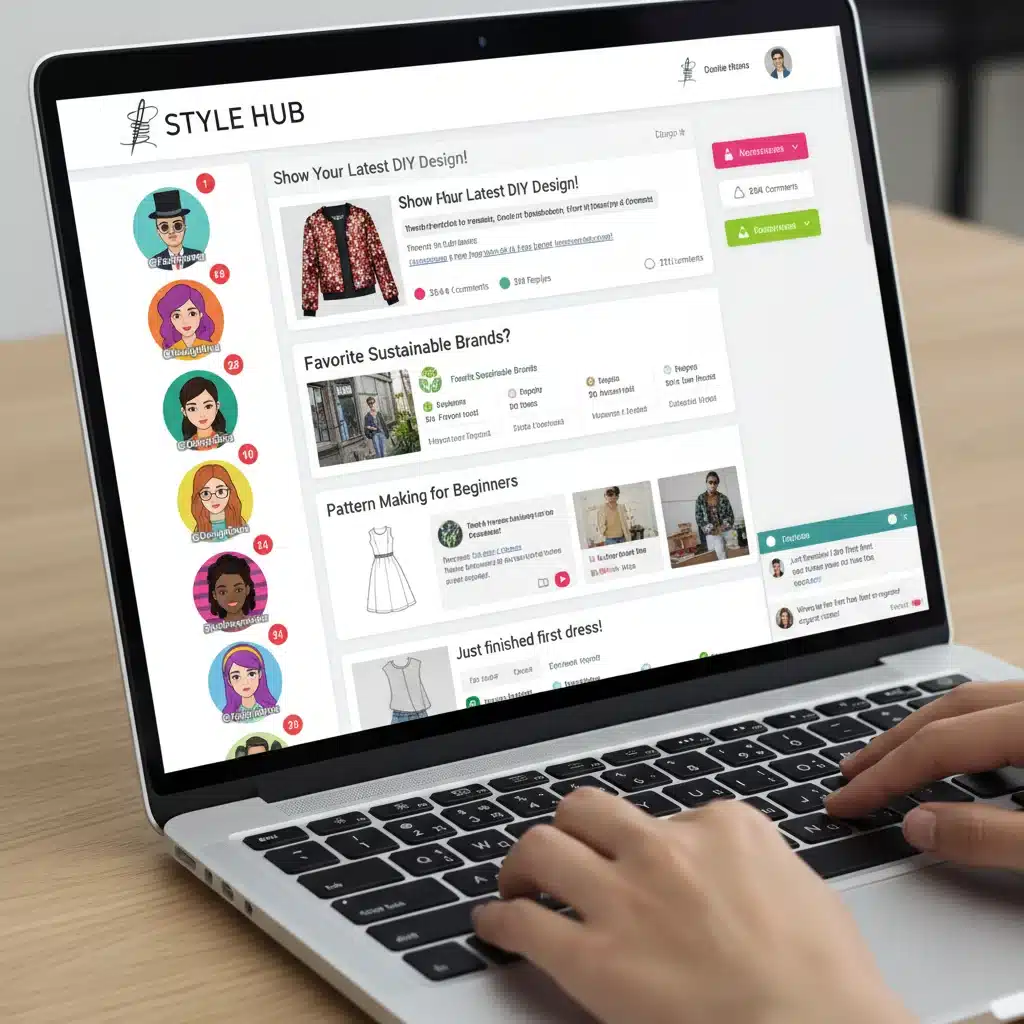
In the age of digital connectivity, a brand is no longer just a product; it’s a conversation, an experience, and a community. For emerging designers D2C success hinges significantly on their ability to cultivate a hyper-engaged digital community. This goes beyond simply having a social media presence; it involves actively building a space where customers feel heard, valued, and part of something larger than themselves.
The Power of Niche Platforms and Micro-Communities
While mainstream platforms like Instagram and TikTok are essential for visibility, emerging designers should also explore niche platforms and consider creating their own micro-communities. This could involve private Facebook groups, Discord servers, or even dedicated forums on their website. These spaces allow for deeper, more meaningful interactions, where designers can share behind-the-scenes content, solicit feedback on new designs, host exclusive Q&A sessions, and offer early access to collections. The intimacy fostered in these environments builds strong brand loyalty and turns customers into advocates.
User-Generated Content (UGC) and Co-Creation
Encouraging user-generated content (UGC) is a powerful way to engage your community. When customers share photos or videos of themselves wearing your designs, it acts as authentic social proof and significantly influences purchasing decisions. Go a step further by inviting your community to participate in the design process itself. This could involve polls on fabric choices, color palettes, or even design elements for upcoming collections. Co-creation not only makes customers feel invested in your brand but also ensures that your products are genuinely desired by your target market. This strategy is particularly potent for emerging designers D2C looking to differentiate themselves from mass-market brands.
Interactive Content and Live Experiences
Leverage interactive content formats such as live streams, virtual try-ons (using AR technology), and interactive stories. Live Q&A sessions, virtual studio tours, and live styling sessions can create an immediate connection with your audience. These real-time interactions allow designers to showcase their personality, answer questions directly, and build trust. By 2026, the sophistication of these tools will only increase, making them indispensable for any emerging designers D2C strategy.
2. Mastering Data-Driven Personalization and Hyper-Targeting
One of the most significant advantages of the D2C model is direct access to customer data. For emerging designers D2C, this data is gold, enabling them to move beyond generic marketing and embrace highly personalized experiences. By 2026, consumers will expect brands to understand their preferences and offer tailored recommendations, making data-driven personalization a non-negotiable strategy.
Collecting and Analyzing First-Party Data
The foundation of personalization lies in robust data collection. This includes website analytics, purchase history, browsing behavior, email engagement, and customer survey responses. Utilize CRM (Customer Relationship Management) systems to consolidate this data and create comprehensive customer profiles. Understanding who your customers are, what they buy, when they buy, and why they buy is crucial. For emerging designers D2C, this level of insight allows for more efficient marketing spend and higher conversion rates.
Personalized Marketing Communications
Once you have the data, use it to personalize every touchpoint. This means segmenting your email lists based on purchase history, demographic information, or even abandonment cart data, and sending highly relevant content. Imagine sending an email to a customer who previously bought a specific dress, showcasing new accessories that perfectly complement it, or notifying them when a similar style is back in stock. Personalized product recommendations on your website, custom landing pages, and even dynamic content in ads based on user behavior can dramatically improve engagement and sales. This level of precision marketing is a hallmark of successful emerging designers D2C brands.
Leveraging AI and Machine Learning for Predictive Personalization
As technology advances, AI and machine learning will play an increasingly vital role in D2C personalization. These tools can analyze vast amounts of data to predict customer behavior, identify emerging trends, and even recommend optimal pricing strategies. For emerging designers D2C with limited resources, leveraging AI-powered tools (many of which are becoming more accessible) can level the playing field, allowing them to offer sophisticated personalization without requiring a large data science team. Think of AI suggesting what a customer might want to buy next before they even know it themselves.
3. Building an Immersive and Seamless E-commerce Experience
Your e-commerce website is your flagship store in the D2C world. For emerging designers D2C, it must be more than just a place to list products; it needs to be an immersive brand experience that is intuitive, aesthetically pleasing, and highly functional. By 2026, consumer expectations for online shopping will be even higher, demanding speed, visual appeal, and ease of use.
Optimized User Experience (UX) and User Interface (UI)
Invest in a website design that is clean, responsive, and reflects your brand’s aesthetic. Navigation should be intuitive, making it easy for customers to find what they’re looking for. High-quality product photography and videography are non-negotiable. Provide detailed product descriptions, including sizing guides, material compositions, and care instructions. A seamless checkout process with multiple payment options and transparent shipping information is also critical. A clunky website or a confusing checkout can lead to high abandonment rates, negating all other marketing efforts. This foundational element is key for emerging designers D2C seeking credibility.
Augmented Reality (AR) and Virtual Try-On Technologies
To bridge the gap between online and in-store shopping, embrace augmented reality (AR) and virtual try-on technologies. Imagine customers being able to virtually try on your garments using their smartphone cameras or seeing how a piece would look on a 3D avatar. These technologies reduce uncertainty, minimize returns, and enhance the overall shopping experience. As these technologies become more sophisticated and accessible, they will be a powerful differentiator for emerging designers D2C.
Mobile-First Design and Performance
The vast majority of online shopping is now done on mobile devices. Ensure your website is designed with a mobile-first approach, meaning it performs flawlessly and looks great on smartphones and tablets. Page load speed is paramount; slow-loading sites frustrate users and negatively impact SEO. Regularly test your site’s performance across various devices and browsers to ensure a consistently excellent experience for all customers. This is a fundamental requirement for any emerging designers D2C brand aiming for broad reach.

4. Embracing Sustainable and Ethical Practices with Transparent Storytelling
Today’s consumers, especially the younger generations, are increasingly conscious of the environmental and social impact of their purchases. For emerging designers D2C, integrating sustainable and ethical practices into their brand ethos is not just a moral imperative but a powerful competitive advantage. By 2026, transparency about these practices will be expected, not just appreciated.
Sustainable Sourcing and Production
From the choice of fabrics to manufacturing processes, every step of your supply chain presents an opportunity for sustainability. Opt for eco-friendly materials like organic cotton, recycled polyester, Tencel, or upcycled fabrics. Partner with manufacturers who adhere to fair labor practices and minimize waste. Even small steps, like using biodegradable packaging, can make a significant difference. Clearly communicate these efforts to your customers, explaining the ‘why’ behind your choices. This commitment to sustainability is a major draw for the target audience of emerging designers D2C.
Ethical Labor and Fair Wages
Ensure that everyone involved in the creation of your garments, from farmers to factory workers, is treated fairly and paid a living wage. Transparency about your labor practices builds trust and resonates with socially conscious consumers. Consider certifications from organizations that verify ethical production standards. Sharing stories of the artisans and workers behind your brand can create a powerful emotional connection with your audience, reinforcing the value proposition of emerging designers D2C.
Transparent Storytelling and Impact Reporting
Don’t just talk about sustainability; prove it. Use your D2C platform to tell the story of your brand’s commitment to ethical and sustainable practices. This could include blog posts about your material sourcing, videos showcasing your production process, or annual impact reports detailing your environmental footprint and social contributions. Be honest about your challenges and continuous improvement efforts. Authenticity is key. Consumers are savvy; they can spot greenwashing from a mile away. For emerging designers D2C, genuine transparency builds credibility and fosters long-term loyalty.
Longevity and Circularity in Design
Design not just for trends, but for longevity. Create high-quality, timeless pieces that are meant to last, encouraging consumers to buy less and choose well. Explore circular economy principles, such as offering repair services, take-back programs for recycling, or even designing garments that can be easily disassembled and repurposed. Position your brand as part of the solution to fast fashion, attracting a discerning customer base that values quality, durability, and responsible consumption. This forward-thinking approach will define successful emerging designers D2C brands in 2026 and beyond.
The Road Ahead for US Emerging Designers in D2C
The landscape for US emerging designers is undergoing a profound transformation. The traditional pathways to success are increasingly being bypassed by innovative D2C models that prioritize direct connection, authenticity, and agility. By focusing on cultivating a hyper-engaged digital community, mastering data-driven personalization, building an immersive e-commerce experience, and embracing sustainable practices with transparent storytelling, designers can carve out a unique and powerful position in the market.
These four strategies are not isolated initiatives but interconnected pillars that support a holistic D2C approach. A strong digital community provides invaluable data for personalization, which in turn enhances the e-commerce experience. And underpinning it all, a commitment to sustainability and ethical practices builds a brand narrative that resonates deeply with modern consumers, fostering loyalty and advocacy.
For emerging designers D2C is more than just a business model; it’s an opportunity to reclaim creative control, build direct relationships with their audience, and shape a more responsible and responsive fashion industry. As 2026 approaches, the designers who strategically implement these direct-to-consumer strategies will be the ones who not only survive but thrive, setting new benchmarks for success and inspiring a new generation of fashion entrepreneurs.
The journey of an emerging designer is fraught with challenges, but the D2C path offers unparalleled opportunities for growth and impact. By leveraging technology, fostering genuine connections, and upholding strong values, US emerging designers can bypass the gatekeepers and build brands that are not only commercially successful but also deeply meaningful to their customers and the wider world.
Consider the story of a small, independent designer from Brooklyn who started by selling handmade accessories on Instagram. By engaging directly with her followers, she built a loyal community that provided feedback on new designs. This feedback informed her next collection, which she launched exclusively on her beautifully designed e-commerce site. She used data from her early sales to personalize email campaigns, offering styling tips and early access to drops. Crucially, she was transparent about her use of upcycled materials and fair wages for her small team of local artisans. Her authenticity and direct engagement allowed her to scale her business organically, transforming her from an ’emerging’ designer into a recognized brand with a dedicated following, all without ever needing to court a major department store. This is the power of emerging designers D2C in action.
The future of fashion is direct, personal, and purpose-driven. Are you ready to embrace it?


