The Rise of Digital Couture: How 3 Leading Houses Are Revolutionizing High Fashion by 2026
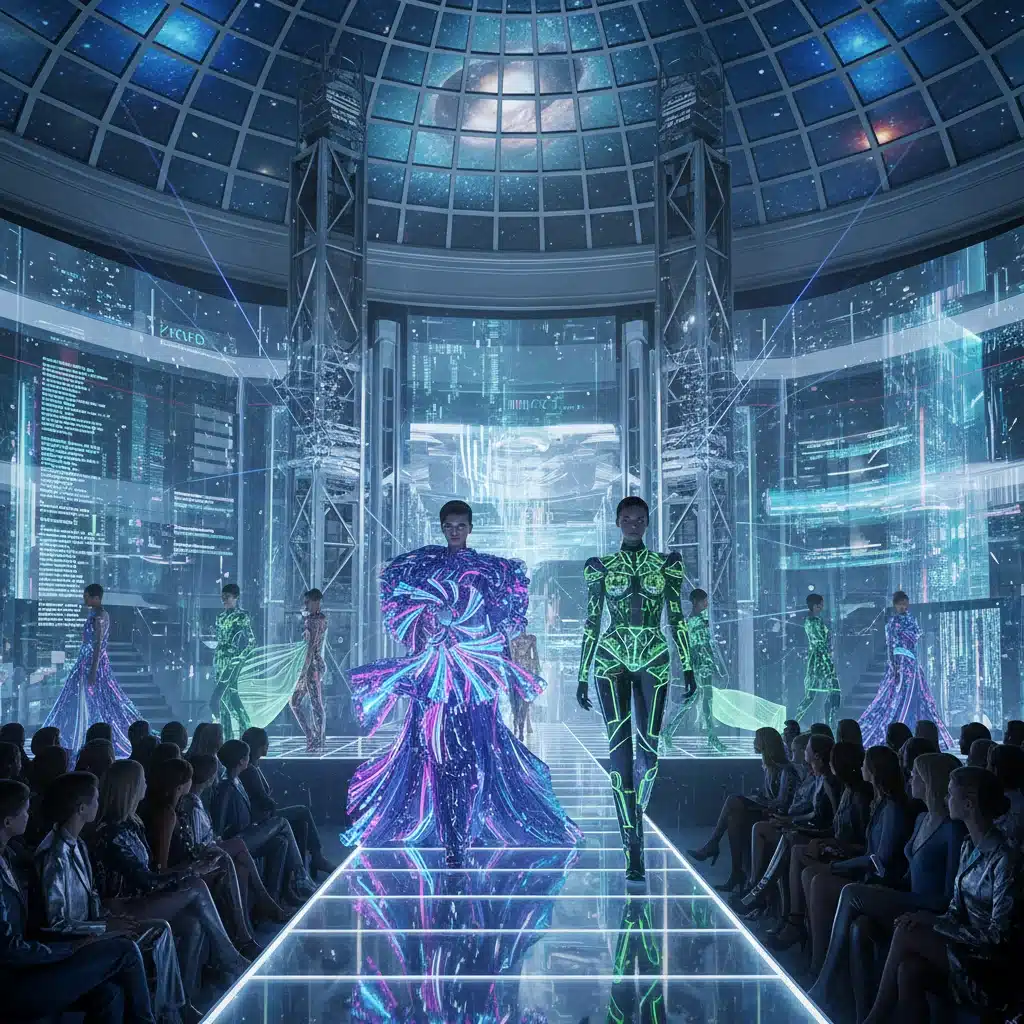
The fashion world, historically rooted in tangible textiles and meticulous craftsmanship, is currently experiencing an unprecedented transformation. We are on the cusp of a new era, one where pixels and algorithms are as crucial as needles and thread. This is the age of digital couture revolution, a paradigm shift that is not only redefining luxury fashion but also challenging our very perceptions of ownership, artistry, and sustainability. By 2026, the influence of digital couture will be undeniable, woven into the fabric of high fashion’s future. Traditional fashion houses, once hesitant, are now embracing this digital frontier with remarkable zeal, recognizing its potential to unlock unparalleled creativity and connect with a new generation of consumers.
For centuries, haute couture has represented the pinnacle of fashion – bespoke, handcrafted garments created for an elite clientele. It’s a world of exclusivity, meticulous detail, and unparalleled artistry. However, the digital age has introduced new dimensions to this revered tradition. Digital couture, while retaining the essence of exclusivity and artistry, transcends the physical limitations of material and form. It allows designers to experiment with impossible geometries, dynamic textures, and interactive elements that simply cannot exist in the physical realm. This isn’t just about creating virtual clothing for avatars; it’s about pushing the boundaries of design, sustainability, and accessibility in ways previously unimaginable.
This article will delve into the pioneering efforts of three leading fashion houses that are at the forefront of this digital couture revolution. These houses, through their innovative approaches and strategic partnerships, are not merely adapting to change; they are actively shaping the future of high fashion. From immersive metaverse experiences to hyper-realistic virtual garments and NFT collections, their work provides a compelling glimpse into what fashion will look like in 2026 and beyond. Their journey into the digital realm is not just about novelty; it’s about finding sustainable solutions, reaching global audiences, and fostering new forms of artistic expression.
The implications of this shift are profound. For consumers, it means new ways to express identity, engage with brands, and even participate in the creative process. For designers, it offers an expanded canvas, free from the constraints of physical production and logistics. And for the industry as a whole, it presents a path towards greater sustainability, reduced waste, and a more inclusive future. The digital couture revolution is not a fleeting trend; it’s a fundamental evolution, and these three houses are its most compelling architects.
The Dawn of Digital Fashion: Why Now?
The acceleration of digital fashion can be attributed to several converging factors. Firstly, the rapid advancements in 3D rendering, animation, and virtual reality technologies have made it possible to create incredibly realistic and immersive digital garments. What was once the realm of science fiction is now a tangible reality, with software tools and hardware capabilities evolving at an astonishing pace. This technological prowess allows designers to translate their most ambitious visions into digital form with breathtaking fidelity.
Secondly, the rise of the metaverse and Web3 has created new platforms and economies for digital assets. Virtual worlds like Decentraland, The Sandbox, and Roblox are not just gaming platforms; they are burgeoning social spaces where identity and self-expression are paramount. Digital clothing, therefore, becomes a crucial element of personal branding and social interaction within these environments. The concept of digital ownership, facilitated by NFTs (Non-Fungible Tokens), has further fueled this trend, giving digital garments a verifiable provenance and value.
Thirdly, the fashion industry’s growing awareness of its environmental impact has spurred a search for more sustainable alternatives. Traditional fashion production is notoriously resource-intensive, contributing significantly to pollution and waste. Digital couture offers a zero-waste alternative, allowing for endless experimentation and customization without consuming physical resources. This aspect alone makes the digital couture revolution an attractive proposition for brands striving for ethical and environmentally responsible practices.
Finally, the COVID-19 pandemic acted as a powerful catalyst. With physical fashion shows canceled and traditional retail disrupted, brands were forced to innovate and explore digital avenues for showcasing their collections and engaging with customers. This period of forced adaptation accelerated the adoption of digital tools and strategies, proving the viability and potential of virtual fashion experiences. The pandemic demonstrated that digital fashion wasn’t just a niche interest but a robust solution for a globalized, interconnected world.
Understanding Digital Couture: Beyond Avatars
It’s important to differentiate digital couture from mere digital clothing. While both exist in the virtual realm, digital couture embodies the same principles of bespoke design, exclusivity, and artistry as its physical counterpart. It’s not mass-produced; it’s often unique or limited edition, designed with intricate detail and conceptual depth. The creation process can be just as labor-intensive, involving advanced 3D modeling, texturing, animation, and sometimes even coding.
The applications of digital couture extend beyond dressing avatars in metaverses. It’s being used for virtual try-ons, allowing customers to see how a garment looks on them without ever stepping into a physical store. It’s employed in marketing campaigns, creating stunning visual content that pushes creative boundaries. It’s even being explored as a medium for artistic expression, with designers creating purely conceptual pieces that challenge our understanding of what fashion can be. The digital couture revolution is multifaceted, impacting every aspect of the fashion ecosystem.
House 1: The Visionary Innovator – Redefining Reality
Our first leading house, let’s call them ‘Aetheria Atelier’, has positioned itself as a true visionary in the digital couture revolution. Known for its avant-garde designs and pioneering use of technology in its physical collections, Aetheria Atelier made an early and decisive foray into the digital space. Their strategy isn’t just about translating existing designs into virtual formats; it’s about creating entirely new forms of expression that leverage the unique properties of the digital medium.
Aetheria Atelier’s most notable contribution has been their ‘Chrono-Fabric’ collection, launched exclusively as NFTs. These garments feature dynamic textures that change color and pattern based on real-time data, such as local weather conditions or even the wearer’s mood (as detected by biometric data from wearable tech). Imagine a dress that shimmers with rainfall patterns when it’s raining outside, or a suit whose intricate motifs bloom with vibrant colors when the wearer is feeling joyful. This level of interactivity and personalization is impossible in physical fashion, making their digital couture truly revolutionary.
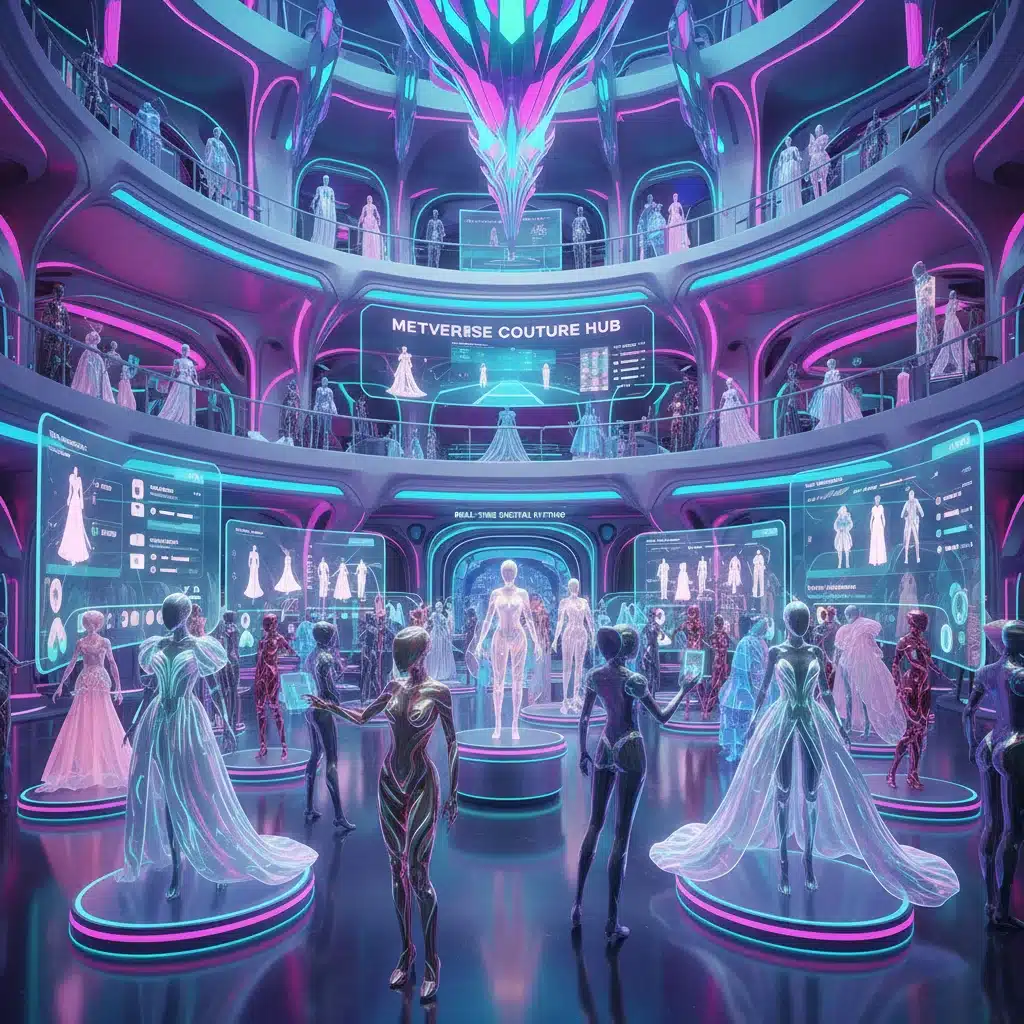
Furthermore, Aetheria Atelier has established an immersive digital flagship store in a prominent metaverse platform. This isn’t just a virtual showroom; it’s an interactive experience where customers can not only browse and purchase digital garments but also participate in virtual workshops with designers, attend exclusive metaverse fashion shows, and even co-create elements of future collections. Their approach fosters a deep sense of community and engagement, transforming passive consumers into active participants in the brand’s creative journey. By 2026, this model is expected to be a benchmark for luxury brands entering the digital realm.
Their commitment to pushing the boundaries of what fashion can be, both aesthetically and technologically, has cemented Aetheria Atelier’s reputation as a leader in the digital couture revolution. They are not just selling digital clothes; they are selling experiences, innovation, and a glimpse into the future of self-expression.
House 2: The Heritage Keeper – Bridging Tradition and Innovation
Our second exemplar, ‘Vestige Virtuel’, represents a different but equally impactful facet of the digital couture revolution. As a brand steeped in centuries of sartorial heritage, Vestige Virtuel initially approached digital fashion with caution. However, their strategic entry has proven that even the most traditional houses can embrace innovation while preserving their core identity. Their focus has been on leveraging digital tools to enhance and extend their existing legacy of craftsmanship and storytelling.
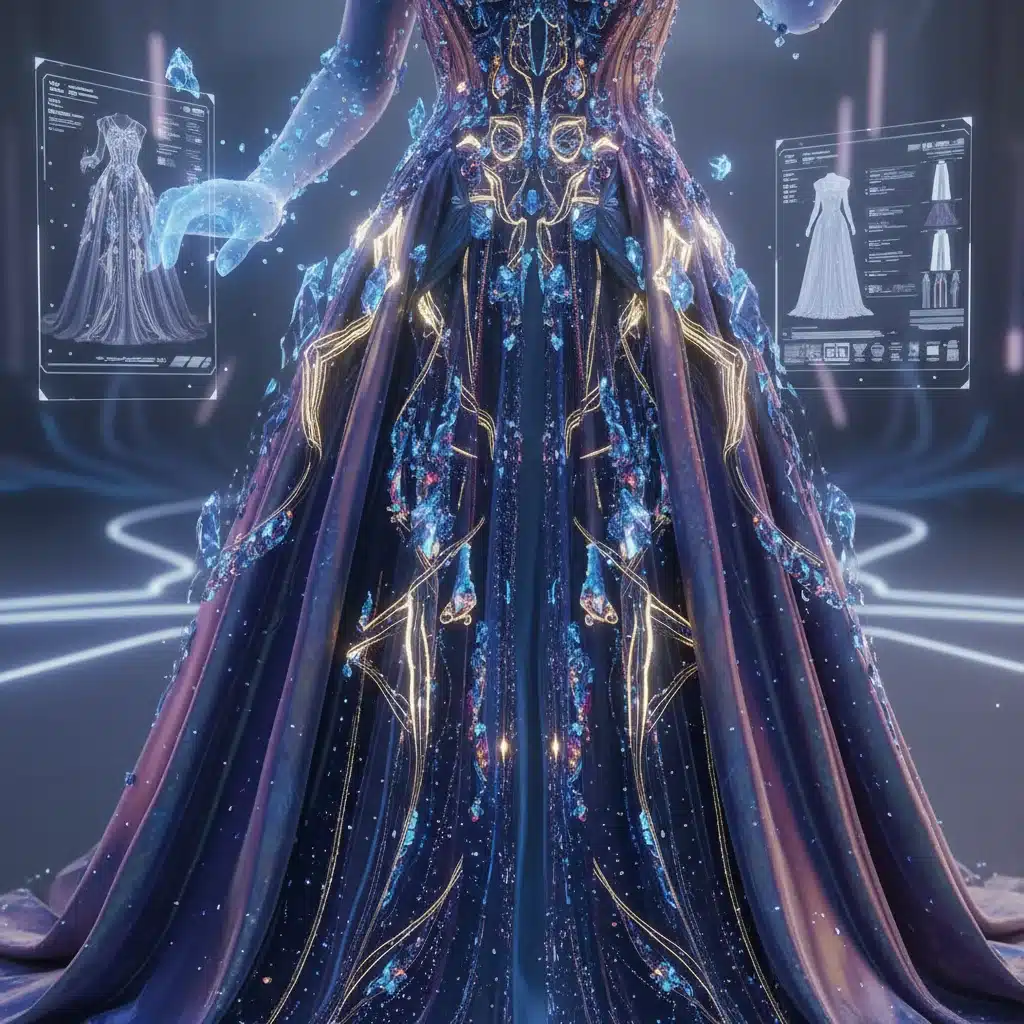
Vestige Virtuel’s primary innovation lies in their ‘Archival Reimagined’ series. They have meticulously digitized their historical archives, creating hyper-realistic 3D models of iconic garments from past collections. These digital replicas are then offered as NFTs, allowing collectors to own a piece of fashion history in a new, accessible format. More impressively, they’ve launched limited-edition digital couture pieces inspired by these archives, but reinterpreted with impossible digital embellishments – think gowns made of liquid light or suits with intricate patterns that morph and evolve in real-time. This approach respects their heritage while simultaneously pushing creative boundaries.
Beyond NFTs, Vestige Virtuel has invested heavily in augmented reality (AR) technology for their physical collections. Customers can use their smartphones to ‘try on’ physical garments virtually, seeing how different colors, textures, and even animated details would appear on them. This blurs the lines between physical and digital, offering a personalized and interactive shopping experience that enhances decision-making and reduces returns. Their integration of AR with their physical products demonstrates a holistic view of the digital couture revolution, understanding that digital tools can serve to elevate and complement the physical world.
By 2026, Vestige Virtuel aims to launch a ‘Digital Artisan Guild’ within the metaverse, a virtual space where digital designers can learn traditional couture techniques through immersive simulations, and where physical artisans can collaborate with digital artists on hybrid creations. This initiative underscores their commitment to fostering new talent and ensuring that the skills of haute couture endure and evolve in the digital age. Their journey proves that heritage and innovation are not mutually exclusive but can, in fact, be powerful allies in the ongoing digital couture revolution.
House 3: The Sustainable Pioneer – Fashion with a Conscience
Our third leading house, ‘Eco-Pixel’, stands out for its unwavering commitment to sustainability, which it views as intrinsically linked to the digital couture revolution. Eco-Pixel recognized early on that digital fashion offered a powerful solution to many of the environmental challenges plaguing the traditional industry. Their entire brand ethos is built around creating beautiful, innovative digital garments that leave no physical footprint.
Eco-Pixel’s groundbreaking ‘Zero-Waste Collection’ is a testament to their philosophy. Each digital garment is designed from the ground up to be purely virtual, with no intention of physical production. This allows for unparalleled creative freedom, as designers are not constrained by material availability, manufacturing processes, or logistical challenges. Their collections feature garments made of impossible materials – shimmering auras, ethereal smoke, or structures that defy gravity – all rendered with stunning realism. These pieces are sold as NFTs, often accompanied by virtual experiences or exclusive access to digital fashion events.
Furthermore, Eco-Pixel has developed a proprietary platform for ‘digital garment rental’. Instead of purchasing a digital outfit outright, users can rent it for a specific period to wear in the metaverse, for virtual photoshoots, or even for AR filters on social media. This rental model promotes circularity in the digital space, allowing a single digital asset to be enjoyed by multiple users without any physical waste. This innovation alone could significantly alter consumer habits in the digital fashion landscape by 2026, making luxury digital fashion more accessible and sustainable.
Eco-Pixel also actively collaborates with environmental organizations, using a portion of their digital sales to fund real-world sustainability initiatives. They host virtual charity fashion shows in the metaverse, raising awareness and funds for ecological causes. Their commitment to making digital fashion a force for good, coupled with their avant-garde designs, makes Eco-Pixel a crucial player in the ethical dimension of the digital couture revolution. They demonstrate that high fashion can be both cutting-edge and conscientious, proving that digital innovation can drive positive change.
The Broader Impact of the Digital Couture Revolution by 2026
The efforts of Aetheria Atelier, Vestige Virtuel, and Eco-Pixel are not isolated incidents; they are symptomatic of a much larger trend that will reshape the entire fashion industry by 2026. The digital couture revolution is poised to have far-reaching impacts on various facets of the fashion ecosystem.
Democratization and Accessibility
While haute couture has traditionally been exclusive to a select few, digital couture has the potential to democratize access to high fashion. Virtual try-ons, digital showrooms, and lower price points for certain digital assets can make luxury fashion experiences more accessible to a broader audience. This doesn’t mean physical couture will disappear, but rather that a new, inclusive layer of luxury fashion will emerge, allowing more people to engage with high-end design.
New Revenue Streams and Business Models
For fashion houses, digital couture opens up entirely new revenue streams beyond traditional physical sales. NFT collections, digital garment rentals, metaverse advertising, and virtual event sponsorships are all burgeoning opportunities. This diversification of income can provide greater financial stability and allow for more investment in research and development, further fueling innovation in the digital couture revolution.
Sustainability and Ethical Production
As highlighted by Eco-Pixel, digital couture offers a compelling solution to the fashion industry’s sustainability crisis. By reducing the need for physical samples, minimizing waste from overproduction, and offering virtual alternatives, digital fashion can significantly lower the environmental footprint of the industry. This ethical dimension will become increasingly important for brands seeking to appeal to environmentally conscious consumers.
Redefining Creativity and Design
The digital medium liberates designers from the constraints of physics and material science. This allows for an explosion of creativity, leading to garments with dynamic properties, interactive elements, and impossible forms. The digital couture revolution is fostering a new generation of designers who are equally adept with 3D software as they are with textiles, blurring the lines between fashion design, animation, and digital art.
The Blurring of Physical and Digital Identities
As our lives become increasingly intertwined with digital spaces, our virtual identities – our avatars – will become just as important as our physical selves. Digital couture allows for hyper-personalized self-expression in these virtual realms, reflecting and amplifying our physical identities, or even creating entirely new personas. The line between what is ‘real’ and ‘virtual’ will continue to blur, with fashion playing a central role in this evolving landscape.
Challenges and the Path Forward
Despite its immense potential, the digital couture revolution is not without its challenges. Issues such as intellectual property rights in the metaverse, the energy consumption associated with certain blockchain technologies, and the need for standardized interoperability between different virtual platforms are still being addressed. Furthermore, educating consumers and designers about the value and potential of digital fashion remains an ongoing task.
However, the rapid pace of technological development and the increasing investment from major tech and fashion players suggest that these challenges will be overcome. Collaboration between fashion houses, technology companies, and digital artists will be key to establishing robust frameworks and fostering a thriving digital fashion ecosystem. The lessons learned from Aetheria Atelier’s interactive designs, Vestige Virtuel’s heritage integration, and Eco-Pixel’s sustainable focus will undoubtedly guide the industry forward.
Conclusion: The Future is Woven in Pixels
The digital couture revolution is more than just a passing trend; it is a fundamental evolution of high fashion. By 2026, the influence of digital garments, virtual experiences, and metaverse showrooms will be deeply embedded in the industry’s landscape. The pioneering efforts of houses like Aetheria Atelier, Vestige Virtuel, and Eco-Pixel are not just creating beautiful digital clothing; they are charting a course for a more creative, sustainable, and inclusive future for luxury fashion.
As technology continues to advance and our lives become increasingly digital, the ability to express ourselves through virtual attire will become as commonplace as choosing a physical outfit. The convergence of artistry, innovation, and digital platforms is crafting a new narrative for haute couture, one where imagination is the only true limit. Embrace the digital threads, for they are weaving the future of fashion.