Digital Fashion’s 2026 Leap: How Virtual Collections Will Capture 8% of the US Market
The fashion industry stands on the precipice of a monumental shift, one that transcends physical textiles and embraces the boundless possibilities of the digital realm. What once seemed like a niche concept, confined to gaming skins and speculative art, is now rapidly solidifying its position as a legitimate and lucrative segment of the global economy. Specifically, the digital fashion market in the United States is projected to capture an impressive 8% of the total fashion market by 2026. This isn’t merely a prediction; it’s a trajectory fueled by technological innovation, evolving consumer behaviors, and a growing understanding of the economic and creative potential of virtual apparel. This article delves deep into the forces driving this unprecedented growth, exploring the innovations, challenges, and transformative impact of digital fashion on brands, designers, and consumers alike.
The Genesis of the Digital Fashion Market: From Niche to Mainstream
The journey of digital fashion from a nascent idea to a significant market contender has been swift and dynamic. Initially, the concept of virtual clothing was largely confined to video games, where players could customize their avatars with digital skins. These early iterations, while simple, laid the groundwork for a burgeoning industry. As technology advanced, particularly in 3D rendering, animation, and blockchain, the sophistication of virtual clothing skyrocketed. Designers began to experiment with hyper-realistic textures, intricate patterns, and physics-defying aesthetics that would be impossible or prohibitively expensive to create in the physical world. This creative freedom, combined with the increasing digitalization of daily life, began to attract attention beyond the gaming community.
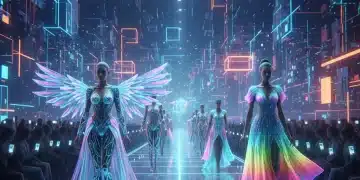
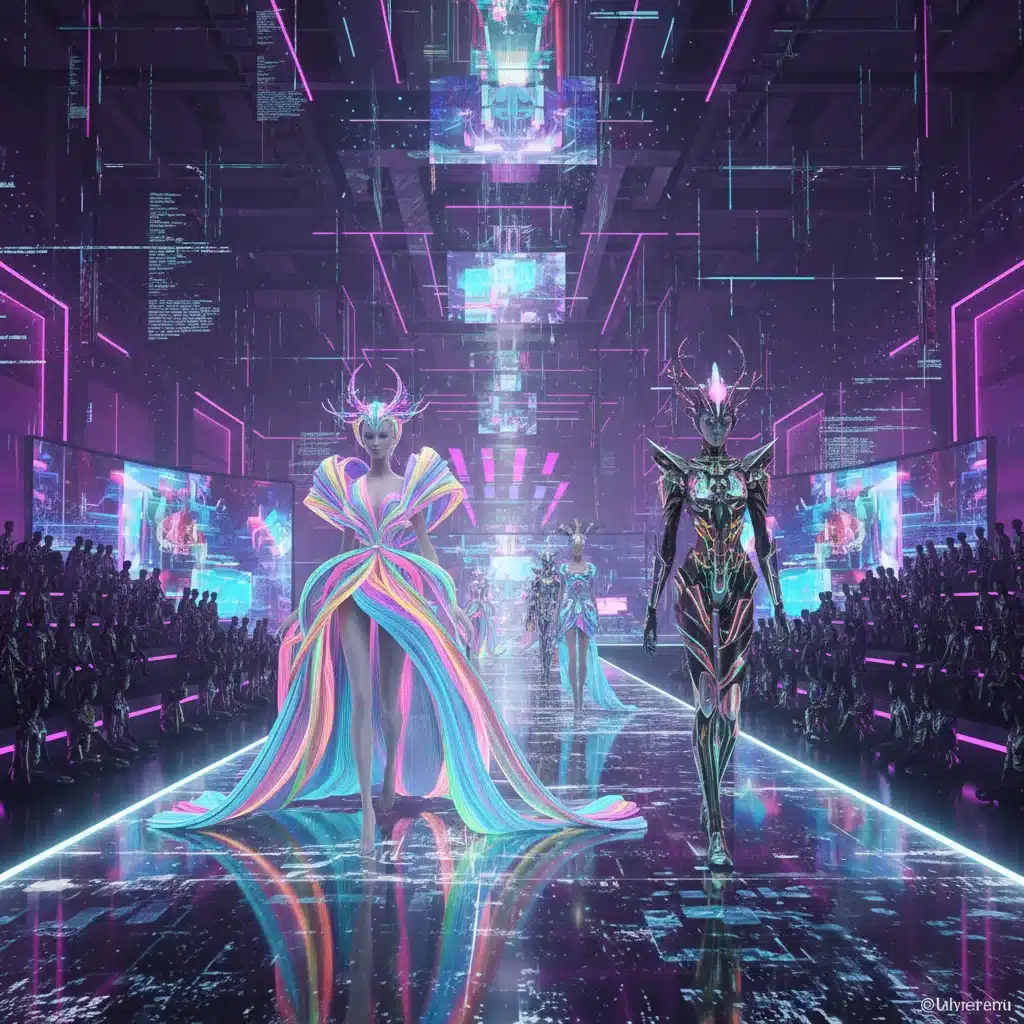
The pandemic further accelerated this trend. With physical fashion shows canceled and traditional retail disrupted, brands were forced to innovate, turning to digital platforms to showcase new collections and engage with consumers. Virtual showrooms, augmented reality (AR) try-on experiences, and metaverse fashion weeks became commonplace, demonstrating the viability and versatility of digital fashion. This period served as a critical inflection point, proving that the digital fashion market was not just a temporary workaround but a powerful, sustainable model with immense growth potential. The shift in consumer mindset, particularly among younger generations, also played a crucial role. Digital natives, accustomed to virtual identities and online communities, readily embraced the idea of expressing themselves through digital apparel, recognizing its value in virtual social spaces and content creation.
Key Drivers Propelling the Digital Fashion Market to 8% by 2026
Several interconnected factors are converging to push the digital fashion market towards its projected 8% share of the US market. Understanding these drivers is crucial for anyone looking to navigate or invest in this exciting new frontier.
Technological Advancements: The Backbone of Virtual Creation
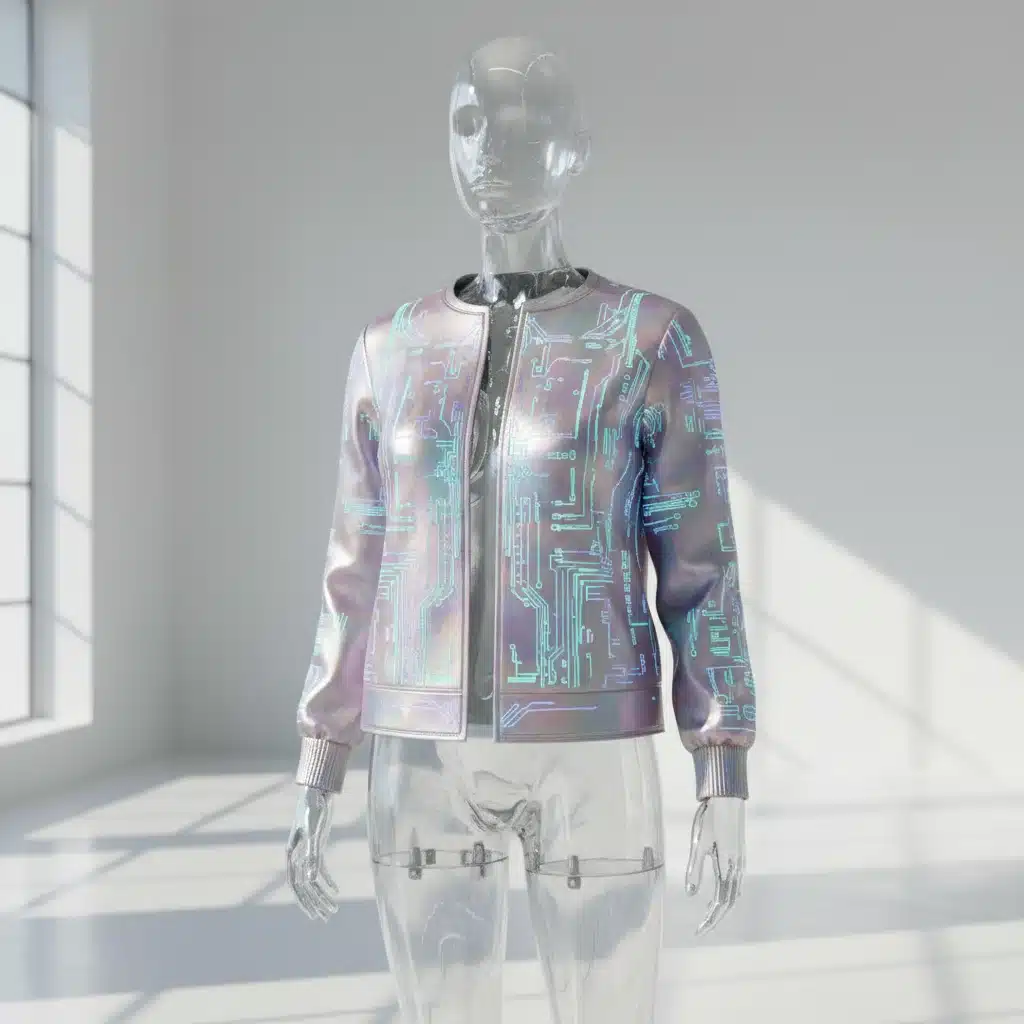
At the core of digital fashion’s rise are significant technological breakthroughs. Advanced 3D design software, such as Clo3D, Marvelous Designer, and Substance Painter, allows designers to create garments with unparalleled realism and detail. These tools simulate fabric drapes, textures, and movements with astonishing accuracy, making virtual clothing indistinguishable from its physical counterparts in many digital contexts. Furthermore, advancements in real-time rendering engines, like Unreal Engine and Unity, enable immersive and interactive experiences, from virtual try-ons to dynamic metaverse environments. The integration of artificial intelligence (AI) is also playing a pivotal role, assisting in design generation, trend forecasting, and personalized recommendations, further streamlining the creative process and enhancing user experience within the digital fashion market.
The Metaverse and Web3 Integration: New Arenas for Expression
The emergence and expansion of the metaverse are arguably the most significant catalysts for digital fashion. As virtual worlds like Decentraland, The Sandbox, and Roblox evolve into sophisticated social and economic ecosystems, the demand for digital identities and self-expression through avatars has exploded. Digital fashion provides the perfect medium for this. Consumers can purchase virtual garments, accessories, and even entire collections to adorn their avatars, allowing them to express their style, status, and individuality in these new digital realms. Web3 technologies, particularly Non-Fungible Tokens (NFTs), are revolutionizing ownership and authenticity within the digital fashion market. NFTs enable verifiable ownership of digital assets, transforming virtual clothing from ephemeral pixels into valuable, tradable commodities. This not only creates new revenue streams for designers but also fosters a sense of exclusivity and community among digital fashion enthusiasts.
Sustainability and Ethical Consumption: A Greener Alternative
The fashion industry has long been scrutinized for its environmental impact, from vast water consumption and chemical pollution to textile waste. Digital fashion presents a compelling, sustainable alternative. Virtual garments require no physical resources, generate no waste, and have a significantly smaller carbon footprint compared to traditional manufacturing processes. This aligns perfectly with the growing consumer demand for ethical and environmentally responsible products. Brands are increasingly leveraging digital collections to demonstrate their commitment to sustainability, appealing to a conscious consumer base that values both style and ecological responsibility. This inherent sustainability advantage positions the digital fashion market as a forward-thinking solution to some of the industry’s most pressing challenges.
Democratization and Accessibility: Fashion for All
Digital fashion lowers many barriers to entry that exist in the traditional fashion world. Aspiring designers can create and showcase collections without the need for expensive materials, manufacturing, or physical showrooms. This democratizes the design process, fostering a more diverse and innovative creative landscape. For consumers, digital fashion offers a more accessible way to engage with high-end brands and experimental designs. Virtual garments can be priced more affordably than their physical counterparts, making luxury fashion more attainable. Furthermore, the ability to ‘try on’ clothes virtually through AR filters or avatar customization makes fashion more interactive and personalized, enhancing the overall consumer experience within the digital fashion market.
The Evolution of Brands and Designers in the Digital Fashion Market
Traditional fashion houses, independent designers, and tech startups are all vying for a piece of the expanding digital fashion market. Their approaches vary, but the common thread is an embrace of innovation and a willingness to explore new paradigms.
Luxury Brands Leading the Charge
Many established luxury brands, initially cautious, are now fully immersing themselves in digital fashion. Brands like Gucci, Louis Vuitton, and Balenciaga have launched successful virtual collections, partnered with metaverse platforms, and even created dedicated digital fashion divisions. Their strategy often involves leveraging their brand prestige to create exclusive, high-value NFTs and virtual experiences that resonate with both their existing clientele and a new generation of digital-native consumers. These brands understand that a strong presence in the digital fashion market is not just about sales; it’s about maintaining cultural relevance and future-proofing their brand identity.
Independent Designers and Digital-Native Labels
The digital fashion market has also given rise to a new wave of independent designers and entirely digital-native fashion labels. These creators often have a deep understanding of 3D design tools and blockchain technology, allowing them to innovate rapidly and experiment with avant-garde concepts. Digital-native brands can operate with lower overheads, reach a global audience instantly, and build strong communities around their unique aesthetic. Their agility and willingness to push boundaries are vital for the continued evolution and diversification of the digital fashion landscape.
The Role of Fashion Technology Companies
Beyond designers, a robust ecosystem of fashion technology companies is emerging to support the digital fashion market. These companies provide the software, platforms, and services necessary for creation, distribution, and monetization. From 3D asset marketplaces and AR try-on solutions to metaverse integration services and NFT minting platforms, these tech innovators are building the infrastructure that enables the industry to scale. Their continuous development of more intuitive tools and seamless experiences will be critical in achieving the 8% market share target.
Challenges and Opportunities in the Digital Fashion Market
While the growth trajectory is clear, the digital fashion market is not without its challenges. Addressing these will be crucial for sustained success.
Bridging the Physical-Digital Divide
One of the primary challenges is educating consumers and brands about the value proposition of digital fashion. Many still struggle to understand why they would pay for something they can’t physically wear. The industry must continue to articulate the unique benefits of virtual clothing, such as self-expression in virtual worlds, content creation, and sustainability. Hybrid models, where physical garments come with a digital twin or vice-versa, are emerging as a way to bridge this gap and introduce traditional consumers to the concept of digital ownership.
Ensuring Interoperability and Scalability
For digital fashion to truly flourish, interoperability across different metaverse platforms is essential. Consumers want their digital assets to be usable and transferable across various virtual worlds and applications. The lack of standardized formats and protocols currently creates fragmentation. Industry collaboration and the development of open standards will be vital to ensure that the digital fashion market can scale efficiently and provide a seamless user experience. Furthermore, as the market grows, the underlying blockchain infrastructure needs to be robust and scalable enough to handle a massive volume of transactions and digital asset management without compromising speed or security.
Intellectual Property and Copyright in the Metaverse
Protecting intellectual property in a rapidly evolving digital landscape is another significant challenge. With the ease of digital replication, ensuring designers’ rights and preventing unauthorized copying or appropriation of virtual designs is paramount. Clear legal frameworks and technological solutions, such as embedded watermarks or blockchain-based authentication, will be necessary to safeguard creativity and foster trust within the digital fashion market.
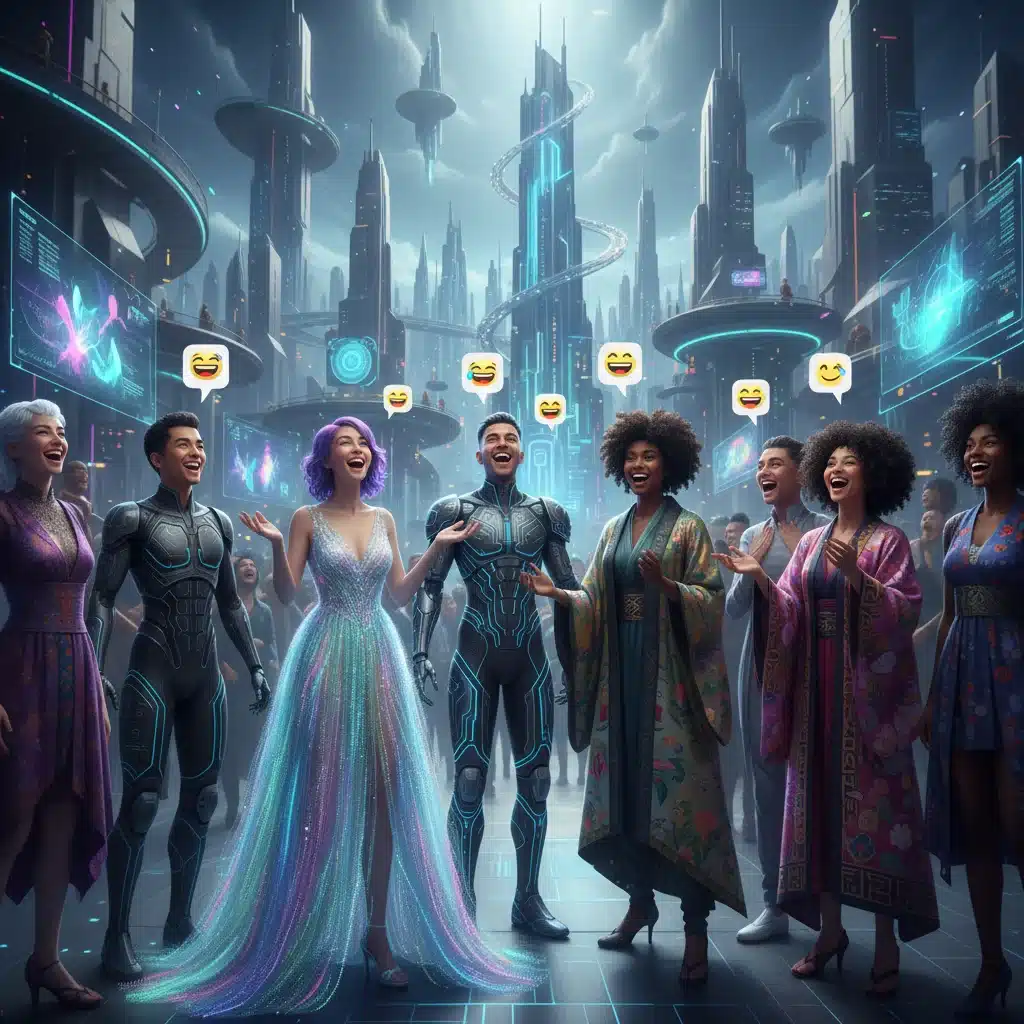
The Consumer Experience: Engagement, Customization, and Identity
The success of the digital fashion market ultimately hinges on the consumer experience. Virtual clothing offers unprecedented levels of engagement, customization, and avenues for identity expression.
Personalized Digital Identity
In the metaverse, avatars are extensions of our digital selves. Digital fashion allows for highly personalized and dynamic self-expression, enabling users to curate their virtual identity with a level of detail and creativity often impossible in the physical world. This goes beyond just clothing; it extends to hairstyles, makeup, accessories, and even body modifications, all contributing to a unique digital persona. The ability to instantly change outfits, experiment with bold styles, and align one’s virtual appearance with their mood or the specific virtual environment fosters a deeper connection with their digital identity.
Augmented Reality Try-Ons and Immersive Shopping
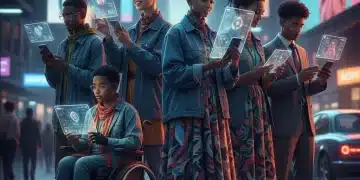
Augmented Reality (AR) is transforming the shopping experience, blurring the lines between the physical and digital. AR try-on apps allow consumers to visualize how digital garments would look on their physical bodies using their smartphone cameras. This reduces returns for physical clothing and provides a fun, interactive way to engage with digital collections. In the metaverse, immersive virtual showrooms offer a more engaging and social shopping experience than traditional e-commerce, allowing users to browse, interact with products, and even consult with virtual stylists in a 3D environment. These innovations are making the digital fashion market more accessible and appealing to a broader audience.
Community Building and Social Status
Digital fashion is not just about individual expression; it’s also a powerful tool for community building. Owning exclusive digital garments, especially NFTs, can signify membership in specific online communities or signal social status within virtual worlds. Brands are leveraging this by creating limited-edition drops, collaborative designs, and exclusive access to events for owners of their digital fashion assets. This fosters a sense of belonging and creates new forms of social currency, driving demand within the digital fashion market.
The Economic Impact and Future Outlook
The projection of 8% market share for the digital fashion market by 2026 represents a significant economic shift. This growth will create new jobs for 3D designers, blockchain developers, metaverse strategists, and digital marketers. It will also open up new revenue streams for traditional brands and foster a vibrant ecosystem of startups and innovators.
Investment and Valuation
Venture capital is pouring into digital fashion startups, recognizing the immense potential for disruption and growth. The valuation of digital fashion companies and NFT collections continues to climb, signaling strong investor confidence. This influx of capital will fuel further innovation, research, and development, accelerating the industry’s expansion and solidifying its position within the broader fashion landscape.
Beyond 2026: The Long-Term Vision
Looking beyond 2026, the digital fashion market is likely to become even more integrated into our daily lives. We can anticipate more sophisticated AR layers on our physical world, allowing us to ‘wear’ digital fashion in real-time through smart glasses. The convergence of physical and digital fashion will intensify, with bespoke physical garments having corresponding digital twins, and vice-versa. The concept of a ‘universal wardrobe’ that exists across all digital platforms and even interacts with our physical environment may become a reality. This future promises a highly personalized, sustainable, and creatively boundless approach to how we dress and express ourselves.
Conclusion: Embracing the Digital Fashion Revolution
The journey of digital fashion from concept to an 8% share of the US market by 2026 is a testament to its transformative power and inherent value. Driven by technological advancements, the rise of the metaverse, a focus on sustainability, and a shift in consumer behavior, the digital fashion market is not just a trend; it’s a fundamental evolution of how we create, consume, and interact with clothing. Brands and designers who embrace this revolution, innovate with purpose, and understand the unique dynamics of virtual ownership and expression will be the ones to thrive in this exciting new era. For consumers, it offers an unprecedented opportunity for self-expression, community engagement, and a more sustainable approach to style. The digital fashion future is not just coming; it’s already here, reshaping the very fabric of our sartorial world.