Ethical Sourcing 2026: High Fashion’s Sustainable Future

In the dynamic and ever-evolving world of high fashion, the year 2026 marks a pivotal moment. The discourse around ethical sourcing fashion has transcended mere buzzwords to become an entrenched, non-negotiable pillar of brand integrity and consumer expectation. No longer a niche concern, ethical sourcing is now at the very heart of luxury, influencing design, production, and marketing strategies across the globe. This shift is driven by a confluence of factors: heightened consumer awareness, stricter regulatory frameworks, technological advancements, and a collective industry realization that sustainability is not just an option, but a necessity for long-term viability.
Understanding the intricacies of ethical sourcing fashion in 2026 requires a deep dive into its multifaceted components. It’s not just about where materials come from, but how they are cultivated, processed, and transported; it’s about the welfare of every individual involved in the supply chain, from the cotton farmer to the seamstress; and it’s about minimizing environmental impact at every stage. High fashion, with its immense influence and resource consumption, bears a significant responsibility to lead this charge.
This comprehensive article will explore the current landscape of ethical sourcing fashion, dissecting the challenges, innovations, and future outlook for high fashion collections in 2026. We will examine the key drivers behind this movement, the strategies brands are employing, the role of technology, and what consumers can expect from a more transparent and responsible luxury market.
The Imperative of Ethical Sourcing in High Fashion
The journey towards robust ethical sourcing fashion practices began decades ago with nascent calls for corporate social responsibility. However, the last few years have seen an exponential acceleration, particularly within the high fashion sector. Luxury brands, once somewhat insulated by their exclusivity, are now under intense scrutiny. Consumers, especially younger generations, are increasingly demanding transparency and accountability. They want to know the story behind their garments – not just the designer’s vision, but the human and environmental cost of creation.
The economic landscape also plays a crucial role. Brands that fail to adapt to ethical sourcing standards risk reputational damage, boycotts, and a loss of market share. Conversely, those that genuinely embrace these principles can build stronger brand loyalty, attract conscious consumers, and differentiate themselves in a crowded marketplace. In 2026, a brand’s commitment to ethical sourcing fashion is a powerful selling point, often as important as design aesthetics or material quality.
Beyond consumer demand, regulatory pressures are mounting. Governments worldwide are implementing stricter laws regarding labor practices, environmental protection, and supply chain transparency. The European Union, for instance, has been a frontrunner in this regard, with directives aimed at increasing corporate due diligence. These regulations push brands to not only monitor their immediate suppliers but to trace their supply chains much further upstream, a complex but necessary undertaking for true ethical sourcing fashion.
Key Pillars of Ethical Sourcing Fashion in 2026
Ethical sourcing fashion is a holistic concept built upon several interconnected pillars. In 2026, these pillars are more defined and rigorously applied than ever before:
1. Fair Labor Practices and Human Rights
At its core, ethical sourcing fashion is about people. This pillar focuses on ensuring safe working conditions, fair wages, reasonable working hours, and the absence of child labor, forced labor, and discrimination throughout the supply chain. High fashion brands are increasingly conducting rigorous audits, partnering with third-party certification bodies, and investing in worker empowerment programs. The goal is to move beyond mere compliance to fostering genuine well-being for all workers.
Traceability plays a critical role here. Knowing exactly where each component of a garment comes from and who made it is paramount. Brands are leveraging advanced data analytics and blockchain technology to map their supply chains, identifying potential risks and ensuring adherence to international labor standards. This level of granular insight is essential for building truly ethical supply chains.
2. Environmental Stewardship and Sustainability
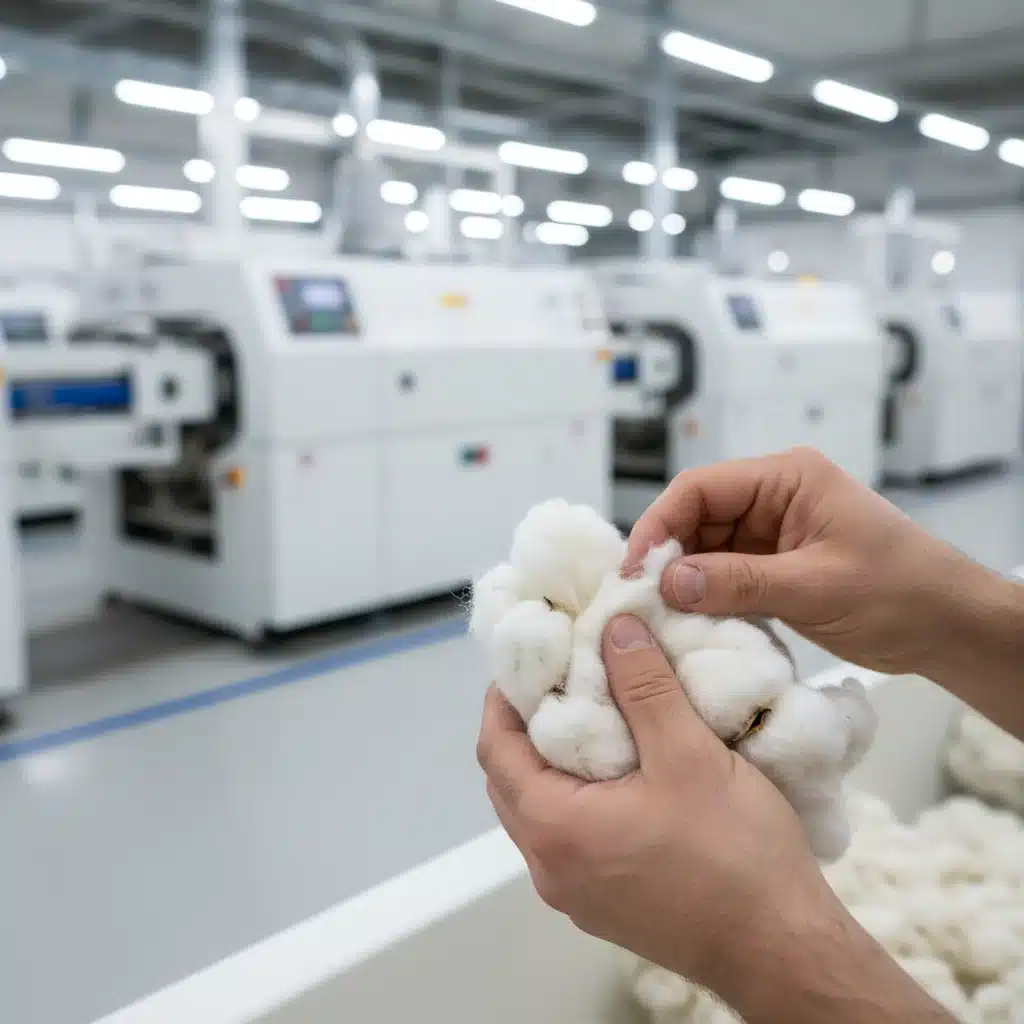
The environmental impact of fashion is undeniable, from water consumption in cotton cultivation to chemical use in dyeing and the vast amounts of waste generated. Ethical sourcing fashion in 2026 places a heavy emphasis on mitigating these impacts. This includes:
- Sustainable Material Choices: A significant shift towards organic, recycled, upcycled, and innovative bio-based materials (e.g., mushroom leather, algae-based fabrics). Brands are investing heavily in research and development to discover and scale these alternatives.
- Reduced Chemical Footprint: Implementing stricter controls on hazardous chemicals, adopting closed-loop systems for water and dye usage, and utilizing eco-friendly finishing processes.
- Circular Economy Principles: Designing for longevity, repairability, and recyclability. This involves embracing take-back programs, promoting second-hand markets, and exploring innovative ways to transform waste into new resources.
- Carbon Footprint Reduction: Optimizing logistics, investing in renewable energy for manufacturing, and offsetting unavoidable emissions.
3. Transparency and Traceability
Consumers want to trust brands, and trust is built on transparency. Ethical sourcing fashion demands that brands are open about their supply chains, from raw material origin to finished product. This includes publishing supplier lists, factory locations, audit reports, and environmental performance data. Technologies like blockchain are proving invaluable in creating immutable and verifiable records of a product’s journey.
Traceability, the ability to track a product’s journey, is the operational arm of transparency. It allows brands to pinpoint issues, verify claims, and communicate with confidence to their customers. In 2026, leading high fashion brands are not just talking about transparency; they are actively demonstrating it through accessible and verifiable data.
4. Animal Welfare
For brands that utilize animal products, ethical sourcing fashion extends to ensuring the humane treatment of animals. This involves adhering to strict welfare standards, avoiding cruel practices (like mulesing or live-plucking), and increasingly, exploring plant-based or lab-grown alternatives to materials like leather, fur, and exotic skins. Certification schemes like the Responsible Down Standard or the Responsible Wool Standard are becoming benchmarks for ethical animal product sourcing.
Challenges and Innovations in Ethical Sourcing Fashion
While the commitment to ethical sourcing fashion is strong, the path is not without its challenges. The global nature of fashion supply chains, often involving multiple tiers of suppliers across different countries with varying regulations and socio-economic conditions, makes oversight incredibly complex.
Overcoming Complexity in Global Supply Chains
One of the biggest hurdles is the sheer complexity and opacity of global supply chains. A single garment can involve raw materials from one continent, spinning and weaving in another, dyeing and finishing in a third, and assembly in a fourth. Each step involves different suppliers, subcontractors, and labor forces, making it difficult to maintain consistent ethical standards.
Innovation: To combat this, brands are investing in advanced supply chain mapping software, satellite imagery for raw material verification (e.g., deforestation-free zones), and AI-powered risk assessment tools. Collaborative industry platforms are also emerging, allowing brands to share data and best practices, thereby strengthening collective due diligence efforts.
Cost Implications and Business Models
Implementing rigorous ethical sourcing fashion practices often comes with higher initial costs. Sustainable materials can be more expensive, ethical labor practices may require increased wages, and new technologies for traceability demand investment. This can pose a challenge for profitability, especially for brands operating on tight margins.
Innovation: High fashion brands are increasingly viewing these costs as investments rather than expenses. They are exploring new business models, such as rental services, made-to-order production, and innovative financing mechanisms for suppliers. Furthermore, the long-term benefits of enhanced brand reputation, consumer loyalty, and reduced regulatory risks often outweigh the initial financial outlay. The premium consumers are willing to pay for ethically produced luxury items also helps offset these costs.
Greenwashing and Authenticity
With the rise of consumer demand for sustainability, there’s also an increased risk of greenwashing – brands making misleading or unsubstantiated claims about their ethical practices. This erodes consumer trust and undermines genuine efforts.
Innovation: The industry is moving towards standardized metrics, third-party verification, and blockchain-based authentication to ensure claims are verifiable. Digital product passports, which provide comprehensive information about a garment’s journey and impact, are becoming a standard feature for luxury items, allowing consumers to scan a QR code and access detailed ethical sourcing data.
The Role of Technology in Advancing Ethical Sourcing Fashion
Technology is a game-changer in the quest for truly ethical sourcing fashion. In 2026, several technological advancements are at the forefront:
Blockchain for Unprecedented Traceability
Blockchain technology offers an immutable and transparent ledger for tracking products through the supply chain. Each step, from the farm to the factory to the retail store, can be recorded, creating a verifiable history that is virtually impossible to tamper with. This provides unparalleled transparency, helping brands and consumers verify the authenticity of ethical claims.
For high fashion, where authenticity and provenance are paramount, blockchain is particularly impactful. It can verify the origin of rare materials, confirm fair trade certifications, and ensure that luxury items are not associated with exploitative labor or environmentally damaging practices.
Artificial Intelligence and Data Analytics
AI and machine learning are being used to analyze vast amounts of supply chain data, identify potential risks (e.g., non-compliant suppliers, areas prone to forced labor), and predict future challenges. This proactive approach allows brands to intervene before issues escalate, making their ethical sourcing fashion strategies more robust and responsive.
Data analytics also helps in optimizing resource usage, predicting demand to reduce overproduction, and identifying opportunities for circularity within the supply chain.
Material Innovation and Bio-fabrication
Biotechnology is revolutionizing material science. Scientists are developing innovative materials that are grown in labs or derived from sustainable biological processes. Examples include lab-grown leather, spider silk proteins, and fabrics made from agricultural waste. These innovations offer alternatives to traditional materials that often have high environmental footprints or ethical concerns.
High fashion brands are investing heavily in these cutting-edge materials, not only for their sustainability credentials but also for their unique aesthetic and performance properties, pushing the boundaries of design while adhering to ethical sourcing fashion principles.
Consumer Expectations and The Future of Ethical Luxury
The discerning high fashion consumer of 2026 is not just buying a garment; they are buying into a brand’s values. They expect luxury to be synonymous with responsibility. This shift in consumer behavior is a powerful driver for brands to accelerate their ethical sourcing fashion initiatives.
Demand for Transparency and Storytelling
Consumers want to know the story behind their purchases. Brands that can effectively communicate their ethical journey, showcasing the people and processes involved in a transparent manner, build deeper connections with their audience. This storytelling goes beyond marketing; it’s about genuine engagement and education.
Digital platforms and interactive experiences are being used to share this information, allowing consumers to explore the origins of their garments, learn about the artisans, and understand the environmental impact of their choices.
The Rise of Conscious Curators
A new breed of fashion curators and influencers is emerging, focusing on highlighting brands that excel in ethical sourcing fashion. These voices amplify the message of sustainability and guide consumers towards responsible choices, further pressuring brands to meet high ethical standards.
Investment in Longevity and Quality
While fast fashion often prioritizes quantity over quality, high fashion has always emphasized craftsmanship and durability. In the context of ethical sourcing fashion, this focus on longevity becomes even more critical. A well-made garment that lasts for decades is inherently more sustainable than multiple disposable items. Consumers are increasingly willing to invest in pieces that are not only beautiful but also built to last and ethically produced.

The Path Forward: Collaborative Efforts and Industry Standards
Achieving widespread ethical sourcing fashion in high fashion requires more than individual brand efforts; it necessitates industry-wide collaboration and standardized approaches. Initiatives like the Fashion Pact, which unites global fashion and textile companies around environmental goals, are crucial.
Standardization and Certification
The proliferation of different certifications and labels can be confusing for both brands and consumers. The industry is moving towards greater harmonization of standards, making it easier to verify ethical claims and providing clearer guidance for brands. International organizations and NGOs play a vital role in developing and promoting these unified benchmarks.
Policy and Advocacy
Advocacy for stronger policy frameworks and international agreements on labor rights and environmental protection is essential. Brands, industry associations, and non-profits are increasingly working together to lobby governments for regulations that create a level playing field and incentivize ethical practices across the board.
Educating the Next Generation
Fashion education is also evolving to integrate ethical sourcing fashion as a core curriculum component. Future designers, merchandisers, and business leaders are being equipped with the knowledge and tools to create a more responsible industry from the ground up. This ensures that ethical considerations are embedded in the design process and business strategy from conception.
Conclusion
The landscape of high fashion in 2026 is undeniably shaped by a profound commitment to ethical sourcing fashion. What was once a peripheral concern has become a central tenet, influencing every facet of the industry. From the meticulous selection of sustainable materials and the unwavering dedication to fair labor practices to the groundbreaking application of traceability technologies, luxury brands are redefining what it means to be truly elegant and desirable in the 21st century.
The journey is ongoing, fraught with complexities and requiring continuous innovation and collaboration. However, the momentum is irreversible. Consumers, empowered by information and a strong sense of social and environmental responsibility, are driving this change, demanding transparency and authenticity from the brands they choose to support. High fashion, with its inherent power to influence trends and set standards, is uniquely positioned to lead this transformation, proving that luxury and responsibility can, and must, coexist.
As we look ahead, the future of high fashion is not just about breathtaking aesthetics or unparalleled craftsmanship; it is about the integrity of its creation, the welfare of its people, and the health of our planet. Ethical sourcing fashion is not merely a trend for 2026; it is the enduring legacy of a transformed industry, promising a more beautiful and responsible world, one stitch at a time.