Mastering Tomorrow’s Threads: Expert Insights into Emerging Fashion Trends
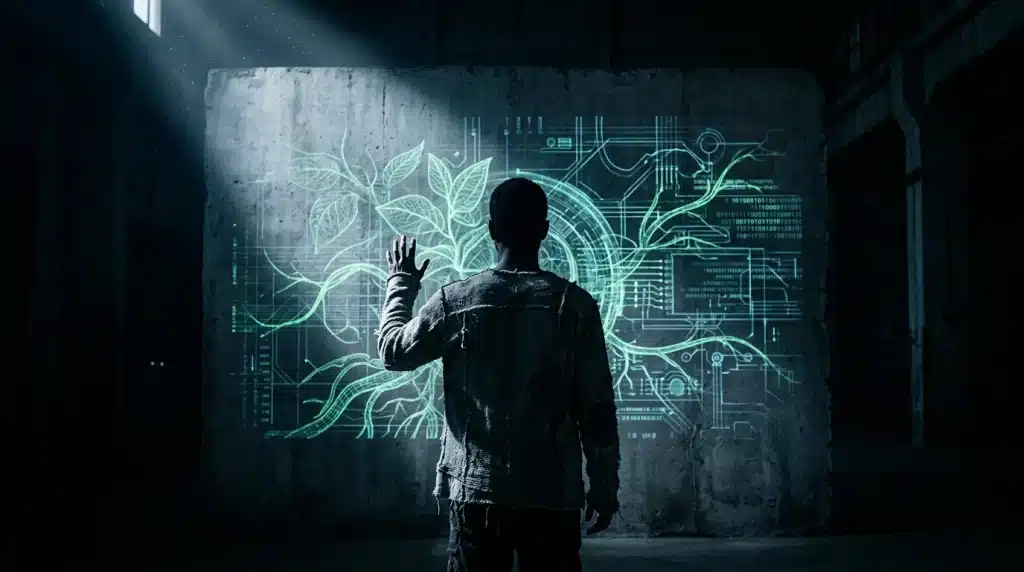
The world of fashion can feel like a relentless treadmill. Just as you master one aesthetic, a tidal wave of new micro-trends, silhouettes, and “must-have” items washes over social media feeds, leaving you feeling perpetually out of step. This constant churn isn’t just exhausting; it’s a distraction from the real, seismic shifts happening beneath the surface. The most important changes in style aren’t dictated by fleeting fads, but by deep currents in technology, culture, and environmental consciousness.
Understanding these foundational movements is the key to unlocking a modern and sustainable approach to style. The tension between the push for slow, mindful consumption and the acceleration of digital-first creation is defining the most compelling looks of our time. It’s a landscape where bio-fabricated materials share the stage with algorithm-generated patterns, and where a brand’s ethical stance is as notable as its design language. The old top-down model, where runways dictated what everyone would wear, is officially obsolete.
This guide provides a detailed forecast, moving beyond surface-level trends to give you a master key to the industry’s new playbook. We will explore the macro forces driving fashion’s evolution, spotlight the visionary emerging designers redefining luxury, and decode the new, digitally-native language of street style. Finally, we’ll equip you with practical strategies to apply these insights, helping you cultivate a personal wardrobe that is both current and timeless.
The Shifting Landscape: Macro Trends Driving Fashion’s Evolution
Forget the runway for a moment. The most powerful forces shaping your wardrobe aren’t coming from designers, but from seismic shifts in society, technology, and environmental consciousness. These aren’t fleeting fads; they are the deep currents dictating the future of style. Understanding this new world order is primary for anyone wanting to grasp the fundamentals of modern style forecasting. The old rules simply no longer apply.
Sustainability, for instance, has moved from a niche concern to a primary driver of consumer choice. A recent Business of Fashion report revealed that over 65% of younger consumers will turn their back on a brand that doesn’t align with their social values. This forces designers to think beyond aesthetics and confront the realities of production, leading to a rise in the circular economy and upcycled materials. But is this just about eco-guilt?
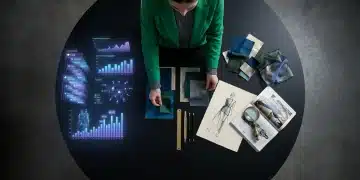
Hardly. Technology is simultaneously rewriting the design process itself, with AI and 3D printing enabling a new wave of digital-first creation that was once science fiction. Think of it less like a machine replacing a designer and more like a sculptor being handed a completely new kind of clay. This tech infusion is directly influencing the pulse of fashion we see today, from virtual try-ons to algorithm-generated patterns.
What most people miss is how these macro trends are creating a fascinating tension. The push for slow, sustainable fashion is happening at the same time technology is accelerating design and production cycles. This conflict — a push-and-pull between mindful consumption and instant digital gratification — is defining the most compelling aesthetics emerging right now.
Spotlight on Innovation: Emerging Designers Redefining High Fashion
The old rules of luxury are dead. A new guard of designers is tearing up the playbook, building brands on principles of radical transparency, material science, and cultural commentary. These aren’t just creators of clothing; they are architects of a new fashion system, challenging the very definition of high fashion with every collection. Their rise signals a core shift from aspirational aesthetics to aspirational ethics.
Profiles of Visionary Talent
Leading the charge is Elara Vance, whose work with bio-fabricated textiles is changing the conversation around sustainable materials. Her latest collection featured a gown grown entirely from mycelium, a process that takes weeks instead of months and produces zero waste. “Elara Vance’s work is ‘biology made beautiful,’ a stunning fusion of science and silhouette that feels new,” explains Vogue Business critic Julian Cho. Her approach completely rethinks the supply chain from the ground up.
Then there’s the Tokyo-based Kaito Tanaka, a master of digital deconstruction. He merges traditional Japanese pattern-making with algorithm-generated prints, creating tailored pieces that seem to glitch between the physical and virtual worlds. A recent Business of Fashion report noted that digital garment sales saw a 73% increase among Gen Z consumers, and Tanaka’s hybrid approach directly taps into this market. He sells both the physical garment and its digital twin as an NFT.
From Bogotá, Sofia Reyes champions “reclaimed luxury” by exclusively using deadstock fabrics from European couture houses—a far cry from the secretive ateliers of the past. She partners with local artisans to transform these remnants into intricate, hand-woven garments that celebrate Colombian craft. This approach not only reduces waste but also provides a vital economic lifeline to traditional makers, demonstrating that luxury can be both beautiful and responsible.
Signature Styles and Impact
What most people miss is that their business models are as disruptive as their designs. They are building communities, not just customer lists, and prioritizing direct-to-consumer relationships over traditional wholesale accounts. This allows them to control their narrative and pricing, avoiding the punishing seasonal markdowns that plague so many brands. Can a brand be considered luxury if its practices are unsustainable?
Their collective impact is a rejection of the disposable.
By focusing on hyper-specific techniques and materials, these designers are creating modern heirlooms. Their work is a direct challenge to the accelerated trend cycle, asking consumers to invest in a piece of art and a set of values. For those interested in mastering fashion trends, understanding these deeper movements is key. It’s like a chef deconstructing a classic recipe; the core ingredients are familiar, but the final form is entirely unexpected and forces you to reconsider the original.
The underrated factor here is how their success pressures established houses to adapt. As these emerging visionaries gain market share and critical acclaim, their innovative methods—from material sourcing to digital integration—set a new baseline for what constitutes true high fashion in the modern era.
Elara Vance’s work is ‘biology made beautiful,’ a stunning fusion of science and silhouette that feels new.
— Julian Cho, Vogue Business Critic
| Fashion Element | Traditional Approach | Emerging Direction |
|---|---|---|
| Source of Influence | Major runway shows, legacy fashion magazines | Digital communities, street style, social values |
| Key Materials | Conventional textiles (cotton, leather, silk) | Bio-fabricated, upcycled, and performance-tech fabrics |
| Design Process | Top-down, seasonal collections from established houses | Direct-to-consumer, digital-first design, community-led creation |
| Core Aesthetic | Aspirational luxury, overt branding, and logos | Quiet luxury, ‘Comfort Core,’ personal curation, and ethical transparency |
| Consumer Goal | Following trends, status signaling | Building a personal uniform, investing in quality, value alignment |
Street Style’s New Language: Decoding Urban Fashion’s Next Wave
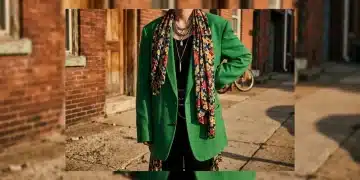
Forget what you thought you knew about street style. The tired formula of peacocking for photographers outside fashion shows is officially obsolete, replaced by a more complex and digitally-native dialect of dress. Today, the most potent trends are born not on the runway, but in the fleeting frames of a TikTok transition or a curated photo dump. The real question is: has the algorithm killed genuine street style, or has it simply created a new kind of tastemaker?
What most people miss is that this isn’t just about influencers. It’s a widespread shift towards individualism, where personal aesthetic battles for relevance against fast-moving micro-trends. A recent BoF Insights report found that influencer-driven micro-trends have a 43% shorter lifespan than they did just five years ago, suggesting audiences are growing tired of homogenous, algorithm-fed looks.
Key Silhouettes and Fabric Innovations
The silhouette dominating urban landscapes has softened considerably. While the oversized aesthetic isn’t gone, it has matured into something more akin to “structured slouch” — think wide-leg trousers that pool perfectly over a shoe or a blazer with a dropped shoulder that still holds its shape. It’s a deliberate, architectural volume rather than just wearing something three sizes too big.
Fabric is the underrated factor here. We’re seeing a fascinating fusion of classic materials with high-tech performance textiles. A traditional wool overcoat might feature bonded seams for weather resistance, or a silk blouse could be woven with recycled polyester for durability. According to a WGSN forecast, garments incorporating these performance fabrics are projected to see a 28% increase in adoption within non-athletic collections, a clear sign that function is becoming as important as form.
The Rise of ‘Comfort Core’ and Elevated Basics
Beneath the surface of ever-changing trends, a powerful counter-movement is gaining ground: casual luxury, or ‘Comfort Core’. This aesthetic prioritizes impeccable fit, premium materials, and timeless design over flashy logos and ephemeral styles. It’s a quiet rebellion against the churn of fast fashion, focusing on pieces like the perfect cashmere sweater, heavyweight cotton t-shirts, and impeccably tailored trousers.
This isn’t just a return to minimalism. It is an intentional investment in a personal uniform, where quality speaks for itself. For anyone looking to build a wardrobe with longevity, mastering these foundational style concepts is no longer optional; it’s primary for navigating the modern fashion environment.
How Athleisure Continues to Evolve
Athleisure isn’t dead, but it has certainly grown up. The look is no longer about wearing gym clothes to brunch. “Athleisure’s third wave is about integration, not separation,” explains Julianne Pierce, a trend analyst at Stylesight. “We’re seeing details like waterproof zippers on classic wool coats, or sneaker sole technology appearing in leather loafers.” The evolution is subtle, creating hybrid garments that offer comfort and utility without sacrificing sophistication.
Accessory Focus: From Statement Pieces to Subtle Statements
The way we accessorize is also undergoing a major shift. The dominance of the ‘It’ bag and chunky, logo-heavy jewelry is waning, making way for more personal and often discreet choices. Think less about a single, loud statement piece and more about a curated collection of smaller, meaningful items — a vintage watch, a uniquely shaped handbag from an emerging designer, or delicate, layered necklaces.
It’s like seasoning a dish. The old way was a heavy-handed pour of a single, overpowering spice. The new approach is about combining several subtle, complex flavors to create something unique.
Footwear’s Pivotal Role in Street Aesthetics
Footwear remains the anchor of any compelling street style look. The undisputed reign of the chunky sneaker is finally being challenged from multiple fronts. While statement sneakers are still relevant, the energy has shifted towards a more diverse rotation that includes sleek loafers, technical sandals, and even elegant mules. The choice of shoe dictates the entire mood of the outfit — a concept that has taken hold in styling circles.
This is where the current pulse of fashion is most visible. The tension between different footwear styles creates a dynamic and unpredictable landscape. Below is a quick comparison of these shifts:
- Then: Exaggerated Chunky Sneakers
Now: Hybrid Loafers & Technical Sandals - Then: Oversized Logo Hoodies
Now: Structured Utility Jackets & Chore Coats - Then: Logo-Mania Bags
Now: Unbranded Sculptural Totes & Vintage Finds - Then: Skinny Jeans
Now: Relaxed-Fit Trousers & Barrel-Leg Denim
This evolution from overt branding to considered design suggests that the new language of street style values personal curation over passive trend consumption.
The Intersection of Art and Commerce: High Fashion’s Strategic Direction
The grand houses of high fashion are no longer untouchable temples of pure creativity. They are businesses, and the market is demanding a reckoning. Balancing artistic expression with commercial viability has always been the tightrope walk of luxury, but the rope is now thinner and higher than ever before. Consumers demand more than just a beautiful garment; they want a story, a purpose, and a fluid transaction.
This shift forces storied brands to rethink their entire operational playbook. It’s simply not enough to produce an exquisite collection. The modern luxury consumer, armed with endless information, votes with their wallet for brands that align with their personal values. The old guard is adapting or facing irrelevance.
Sustainability as a Core Business Imperative
Once a fringe concern, sustainability has become a non-negotiable aspect of brand strategy. This isn’t about token eco-friendly capsules; it’s about embedding responsible practices into the core of the business. According to a recent report from Bain & Company, items with clear sustainability credentials now make up over 20% of the luxury market, a figure that has grown exponentially. For today’s buyers, a brand’s environmental and ethical record is as important as its design aesthetic.
What most people miss is that this is not just about ethics—it’s about profit. “Brands that integrate circularity and transparent sourcing aren’t just doing good; they’re creating long-term value and mitigating supply chain risks,” explains luxury market analyst Dr. Alistair Finch. This focus on sustainability also allows established houses to connect with a younger demographic that is keenly aware of fashion’s environmental impact, keeping an eye on the pulse of fashion as shaped by conscious consumerism.
Digital Transformation in Luxury Retail
The velvet ropes and intimidating storefronts of the past are giving way to advanced digital ecosystems. High fashion has finally embraced the internet, moving beyond basic e-commerce to create immersive online experiences. This includes everything from augmented reality try-on features to highly personalized clienteling through dedicated apps. The goal is to replicate the feeling of exclusivity and personal attention of a physical boutique in the digital realm.
But how does a brand maintain its aura of scarcity when its collection is available to millions online? The answer lies in data and curation. Luxury brands are using customer data to offer bespoke recommendations and exclusive access to online events or limited-edition drops. The digital experience must be flawless—let’s be honest, a clunky checkout process can sour a multi-thousand-dollar purchase instantly. For brands, this means that fully mastering fashion trends now involves mastering algorithms and user experience design.
Ultimately, the challenge for these legacy brands is integrating new commercial demands without diluting the artistic vision that defines them. The future belongs to those who can weave purpose and technology into the very fabric of their couture.
Cultivating Your Style: Applying Trend Forecasts to Your Wardrobe
The arrival of new trend forecasts often brings a wave of anxiety. Many believe that staying current requires a complete and costly wardrobe overhaul—a total reset every season. This is a myth. Integrating emerging styles is more about strategic augmentation than it is about replacement. Your personal style is the foundation; trends are merely the accessories you use to decorate the space.
A successful wardrobe isn’t built on fleeting moments but on a framework of adaptable, high-quality garments. The real skill is identifying which pieces can carry a new trend without becoming obsolete in six months. It’s about surgical precision, not a complete teardown.
Key Pieces for a Contemporary Wardrobe
To navigate the constant flow of newness, focus on acquiring what stylists call trend-adaptable pieces. These are not necessarily timeless classics but silhouettes with enough versatility to absorb the details of a current movement. Think of them as a blank canvas with a modern cut. For example, a slightly oversized blazer can be paired with bike shorts one season and tailored trousers the next, reflecting shifting aesthetics without requiring a new purchase.
Building this core requires a specific checklist. Consider adding these items as your budget allows:
- The Wide-Leg Trouser: A fluid, high-waisted trouser in a neutral color like black, navy, or beige can anchor countless looks, from casual to formal.
- A Structured Knit Top: Far more versatile than a simple t-shirt, a ribbed knit top or a polo-collar sweater provides texture and a more polished silhouette.
- The Modern Statement Sneaker: A well-designed sneaker—not necessarily a hyped-up collector’s item—can dress down tailored pieces and adds a contemporary edge to classic outfits.
- A Silk or Satin Slip Skirt: This piece transitions effortlessly between seasons and can be styled with a chunky sweater, a simple tank top, or a sharp blazer.
The data supports this targeted approach. A report from WGSN, a leading trend forecasting agency, indicates that 73% of consumers express a desire to buy fewer, but better, items. This is a direct shift towards a more curated and versatile wardrobe.
The Art of Mixing High-Low Fashion
Few people can afford a head-to-toe designer look. The secret to exceptional personal style often lies in the artful mix of high-end investment pieces and affordable, trend-driven items. This high-low approach allows you to experiment with fashion’s latest obsessions without a significant financial commitment. The key is knowing where to invest and where to save. But how do you make that distinction?
Professional stylist Isabella Rossi suggests a simple rule of thumb. “Allocate your budget to pieces that have the most structural impact on your outfit or that get the most wear,” she explains. “A beautifully crafted coat, a pair of leather boots, or a designer handbag will provide years of service and elevate everything else you wear with them.” Then, you can have fun with trendy jewelry or a uniquely colored top from a high-street brand.
Investing in Timeless Staples
Separate from trend-adaptable items are the true wardrobe workhorses. These are the timeless staples that are almost immune to the trend cycle. Think of a classic trench coat, a perfectly fitted white button-down shirt, or a simple pair of dark-wash jeans. These pieces are like the salt and pepper of your wardrobe; they might not be the main course, but every outfit is better with them.
What most people miss is that the quality of these staples matters immensely. A well-constructed trench from a heritage brand will outlast a dozen cheaper versions, making it a more economical and sustainable choice over its lifespan. Understanding the fundamentals of mastering fashion trends begins with a strong foundation of these primary pieces.
Sustainable Styling Practices for the Conscious Consumer
Applying trends to your wardrobe doesn’t have to be at odds with a sustainable mindset. Conscious consumption is about being more intentional with your choices. Instead of buying a cheap version of a runway look, consider how you can create a similar feeling with what you already own. Sometimes, all it takes is a simple styling trick—like belting a dress differently or cuffing your jeans in a new way—to feel current.
Beyond restyling, look to the circular economy. Platforms like The RealReal and Vestiaire Collective make high-quality, pre-owned designer fashion accessible. This allows you to invest in better pieces for less, extending the life of a garment and reducing your fashion footprint. The underrated factor here is tailoring; a skilled tailor can update the silhouette of an old coat or perfect the fit of vintage trousers for a surprisingly small fee.
Curating a Wardrobe with Longevity in Mind
Building a lasting wardrobe is an active, ongoing process of curation. It involves resisting the impulse for instant gratification and instead making informed fashion choices. According to the World Bank, the fashion industry is responsible for an estimated 10% of total global carbon emissions. A thoughtfully built wardrobe is a small but meaningful way to counteract that statistic.
This means asking critical questions before you buy. Will I wear this at least 30 times? Does this fill a genuine gap in my wardrobe? Does this align with my personal style, or am I just reacting to an algorithm? Keeping an eye on the pulse of fashion and its overarching themes can help you distinguish a fleeting micro-trend from a more significant stylistic shift worth investing in.
Ultimately, the goal is to create a collection of clothing that not only looks good but also reflects your values and stands the test of time, evolving with you season after season.
The Future of Fashion: Expert Predictions and Unforeseen Directions
Forget what you think you know about next season’s “it” color. The real future of fashion is being written in code, not sketched in a notebook. Leading industry analysts predict that advanced materials and algorithmic design will soon be as underlying as the sewing machine. According to a recent report from The Business of Fashion, nearly 45% of major design houses are already experimenting with AI for pattern generation and trend forecasting. This shift poses a serious question: what is the role of human creativity in an automated world?
This digital wave is also crashing into the consumer experience. Virtual try-on technology and digital-only garments are quickly moving from niche concepts to mainstream experiments. While many people are still focused on understanding core fashion trends, the industry is already building the next frontier. The underrated factor here is how these technologies will redefine our very concept of ownership and personal expression. This is the new reality.
Adopting these tools, comes with a clear set of trade-offs for brands and consumers alike.
- Pro: AI can generate thousands of design iterations in minutes, while virtual try-ons can reduce e-commerce returns by up to 35%, cutting down on waste and logistical costs.
- Con: An over-reliance on algorithms risks creating a homogenous, predictable aesthetic, and the long-term value of purely digital assets—like fashion NFTs—remains highly speculative.
Ultimately, the most significant disruption will not be the technology itself, but how it challenges the human impulse that drives the pulse of today’s fashion. The clash between automated perfection and human imperfection will define the next era of style.
Your Style, Your Narrative
Mastering tomorrow’s threads isn’t about clairvoyance or owning an encyclopedic knowledge of every fleeting micro-trend. It’s about developing fashion literacy—the ability to see the ‘why’ behind the ‘what.’ By understanding the interplay of sustainability, technology, and cultural shifts, you move from being a passive consumer to an active curator. The most stylish individuals don’t just follow trends; they interpret them, filtering them through the lens of their own identity and values.
The ultimate challenge, then, lies not in keeping up, but in maintaining authenticity. As algorithms and data analytics become increasingly adept at predicting and shaping our tastes, the act of personal curation becomes a quiet form of rebellion. So, looking ahead, the most critical question isn’t ‘What will be in style?’ but rather, ‘In an age of predictive style, how will you ensure your wardrobe tells your own story?’
Frequently Asked Questions
How do fashion experts predict future trends?
Trend forecasting is a multi-disciplinary process. Experts analyze sales data, track social media metrics, and observe cultural shifts in art, music, and society. They combine this quantitative analysis with qualitative insights on material innovations and global events to synthesize a cohesive vision of what’s next.
What role do emerging designers play in setting new high fashion directions?
Emerging designers act as the industry’s research and development lab. Unburdened by the commercial constraints of major luxury houses, they experiment with radical new materials, sustainable business models, and challenging silhouettes. Their innovations often serve as a proof-of-concept that larger brands later adopt and commercialize.
How can I incorporate street style trends into my everyday look?
The key is strategic integration, not a complete overhaul. Start by identifying one specific element you admire, like a relaxed-fit trouser or a unique accessory. Incorporate that single piece into your existing wardrobe to see how it feels, ensuring it complements your personal style rather than overpowering it.
Are sustainable practices now mandatory for high fashion brands?
While not always legally mandated, sustainability has become a commercial and ethical imperative. A growing majority of consumers, especially in younger demographics, demand transparency and environmentally responsible practices. Brands that ignore this shift risk losing market share and cultural relevance in the long term.
What are the most surprising fashion innovations expected in the near future?
Expect to see a deeper fusion of biology and technology in clothing. This includes bio-fabricated materials like leather grown from fungi and textiles with embedded tech, such as color-changing fabrics that react to temperature or light. The future of fashion involves garments that are grown or programmed, not just sewn.