6-Month Launch Blueprint for US Emerging Fashion Designers in 2026
From Concept to Collection: A 6-Month Launch Blueprint for US Emerging Designers in 2026
Navigating the competitive world of fashion requires more than just talent; it demands a strategic roadmap. This comprehensive guide provides US emerging designers with a detailed fashion designer launch blueprint to successfully debut their collection in 2026.
Introduction: Charting Your Course in the Fashion Landscape
The fashion industry is a dynamic, ever-evolving beast, particularly in the United States. For an emerging designer, the path from a brilliant concept to a tangible, marketable collection can feel overwhelming. The year 2026 promises new trends, technological advancements, and shifting consumer behaviors, making strategic planning more crucial than ever. This fashion designer launch blueprint is meticulously crafted to empower you, the aspiring creative, with a clear, actionable 6-month timeline. We’ll delve into everything from initial concept development and market research to production, marketing, and the grand unveiling, ensuring your debut is not just a dream, but a well-executed reality.
Success in fashion isn’t solely about breathtaking designs; it’s about understanding your target audience, building a sustainable business model, and effectively communicating your brand’s unique story. This guide emphasizes a holistic approach, integrating creative vision with sound business practices. By following this blueprint, you’ll be better equipped to overcome common hurdles, capitalize on opportunities, and establish a strong foundation for your brand’s longevity in the competitive US market.
Month 1: Concept, Research, and Niche Definition – The Foundation of Your Brand
The first month is arguably the most critical. It’s where the nebulous idea takes its first concrete form. This stage is all about deep introspection and extensive market exploration to define your brand’s core identity and secure your unique selling proposition (USP).
Defining Your Brand Identity and Vision
- Personal Vision & Values: What do you stand for? What message do you want to convey through your designs? Your personal philosophy will be the bedrock of your brand.
- Aesthetic & Signature Style: What makes your designs distinct? Is it a particular silhouette, a unique use of fabric, a specific color palette, or a blend of cultural influences? Develop a clear, recognizable aesthetic that will become your signature.
- Brand Story: Craft a compelling narrative. People connect with stories. Where did your inspiration come from? What journey led you to this point? This story will resonate with your audience and create an emotional connection.
Comprehensive Market Research
- Target Audience Identification: Who are you designing for? Age, gender, lifestyle, income, values, purchasing habits – the more detailed your understanding, the better you can tailor your designs and marketing efforts. Conduct surveys, focus groups, and analyze social media trends.
- Competitor Analysis: Identify your direct and indirect competitors. What are their strengths and weaknesses? How can you differentiate yourself? Analyze their pricing, marketing strategies, and product offerings.
- Trend Forecasting (2026): Research upcoming fashion trends for 2026. This includes color trends, fabric innovations, silhouette predictions, and broader cultural shifts that influence fashion. Websites like WGSN, Stylesight, and even major fashion publications are invaluable resources. However, remember to interpret trends through your unique brand lens, rather than simply replicating them.
- Niche Market Identification: Is there an underserved segment of the market that aligns with your vision? Perhaps sustainable fashion, adaptive clothing, gender-neutral designs, or a specific subculture. A well-defined niche can significantly reduce competition and allow for a more focused fashion designer launch.
Initial Collection Concept & Mood Boards
- Theme Development: Based on your research, develop a cohesive theme for your debut collection. This theme will guide all design decisions.
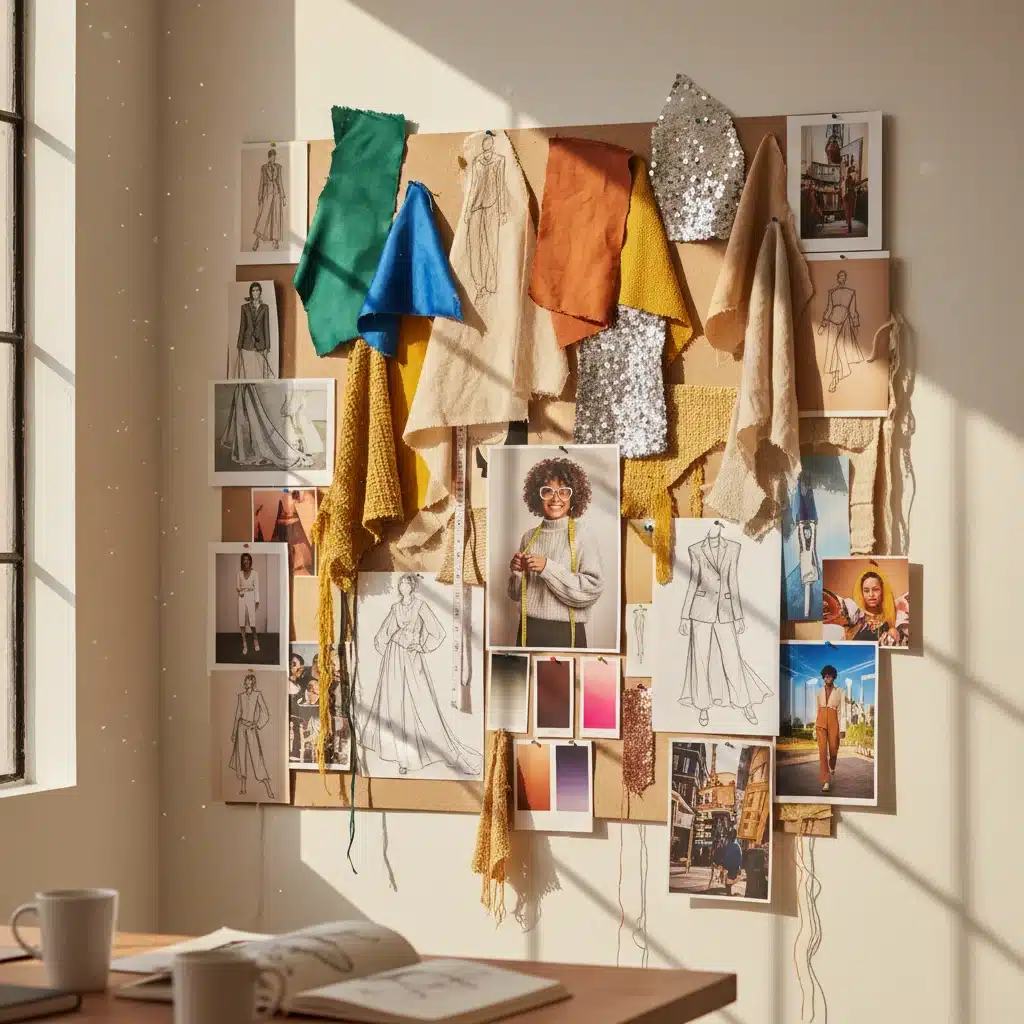
- Mood Board Creation: Translate your theme into visual mood boards. Include images of inspiration, fabric swatches, color palettes, textures, art, photography, and anything that visually communicates the essence of your collection. This is a critical step in solidifying your creative vision.
- Preliminary Sketching & Silhouettes: Begin rough sketches of potential garments, exploring different silhouettes and design elements that fit your theme. Don’t worry about perfection yet; this is a brainstorming phase.
Month 2: Design Development and Sourcing – Bringing Ideas to Life
With a clear concept established, Month 2 shifts focus to the meticulous process of design development and sourcing the materials that will embody your vision. This stage is where your creative ideas begin to materialize into tangible forms.
Detailed Sketching & Technical Flats
- Refined Sketches: Develop detailed fashion sketches for each garment in your collection. These should clearly illustrate the front, back, and any unique design features.
- Technical Flats (CADs): Create technical flats (computer-aided designs) for each garment. These are precise, two-dimensional drawings that show construction details, stitching, and proportions. They are essential for pattern makers and manufacturers.
- Fabric & Trim Selection: Based on your designs and mood boards, begin the crucial process of selecting fabrics, trims, buttons, zippers, and other embellishments. Consider drape, texture, durability, and how they align with your brand’s aesthetic and sustainability goals.
Sourcing & Supplier Relationships
- Ethical Sourcing: For many emerging designers, ethical and sustainable sourcing is a key differentiator. Research suppliers who align with your values, whether it’s organic cotton, recycled materials, fair trade practices, or local production.
- Supplier Vetting: Contact multiple fabric mills and trim suppliers. Request samples, inquire about minimum order quantities (MOQs), lead times, and pricing. Building strong relationships with reliable suppliers is paramount.
- Cost Analysis: Begin to estimate the cost of materials per garment. This will be critical for pricing your collection later.
Establishing a Production Strategy
- Local vs. Overseas Production: Research the pros and cons of producing domestically in the US versus internationally. Consider factors like cost, quality control, lead times, and ethical considerations. For a strong fashion designer launch, local production can offer greater control and a “Made in USA” appeal.
- Manufacturer Research: Identify potential manufacturers or ateliers that specialize in your type of garments. Look for those with good reputations, transparent practices, and experience working with emerging brands.
- Initial Consultations: Schedule meetings or calls with potential manufacturers to discuss your collection, their capabilities, pricing structures, and minimums.
Month 3: Pattern Making and Prototyping – The First Physical Manifestation
Month 3 is where your designs take on a three-dimensional form. This iterative process of pattern making and prototyping is essential for refining fit, construction, and overall design integrity.
Pattern Development
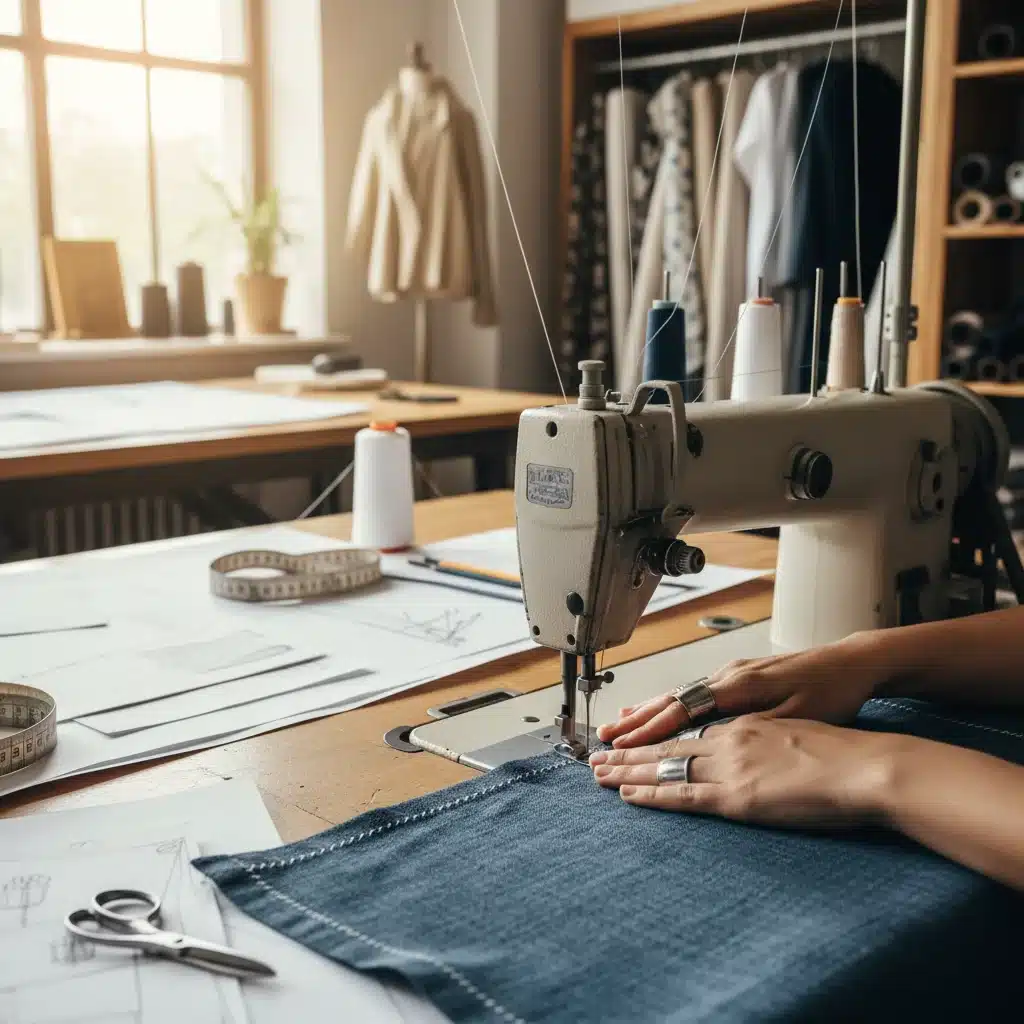
- Professional Pattern Makers: Work with experienced pattern makers to translate your technical flats into precise paper patterns. This is a highly specialized skill and critical for garment fit.
- Grading Strategy: Discuss sizing and grading with your pattern maker. How will your collection be sized, and how will patterns be adjusted for different sizes?
Sample Creation (Toile/Muslin)
- First Samples (Toiles/Muslins): Create initial samples, often in a less expensive fabric like muslin, to test the patterns. This allows you to assess fit, drape, and proportion without committing to expensive final fabrics.
- Fit Model Sessions: Conduct fit sessions with professional fit models who represent your target audience’s body type. Take detailed notes and make adjustments to the patterns. This stage will likely involve several iterations.
Refinement and Costing
- Design Adjustments: Based on the sample review, make any necessary design adjustments, fabric changes, or construction modifications.
- Preliminary Costing: With refined patterns and material choices, work with your manufacturer to get more accurate production cost estimates per garment. This is vital for setting retail prices later.
Intellectual Property Protection
- Trademark Your Brand Name & Logo: Begin the process of trademarking your brand name and logo. This protects your brand identity.
- Copyright Your Designs: While clothing designs are complex to copyright, understand the nuances of protecting your unique creative expressions. Consult with a legal professional specializing in fashion law.
Month 4: Production Planning & Marketing Strategy – Scaling Up and Spreading the Word
With designs finalized and patterns perfected, Month 4 focuses on scaling up for production and laying the groundwork for your marketing efforts. This dual focus ensures that while your collection is being made, the world is preparing to receive it.
Finalizing Production Details
- Manufacturer Selection & Contracts: Finalize your chosen manufacturer and sign contracts outlining production timelines, quality standards, payment terms, and intellectual property.
- Material Orders: Place bulk orders for all fabrics, trims, and notions with your selected suppliers, ensuring they can meet your production timeline.
- Pre-Production Samples (PPS): Receive and approve pre-production samples from your manufacturer. These should be identical to what the final garments will look like. This is your last chance for major changes before mass production.
- Quality Control Plan: Establish a clear quality control plan with your manufacturer to ensure every garment meets your standards.
Developing Your Marketing & PR Strategy
A successful fashion designer launch hinges on effective communication and strategic outreach.
- Brand Story Refinement: Polish your brand story and messaging. This will be the core of all your marketing materials.
- Website & E-commerce Setup: Begin building your e-commerce website. Choose a platform (Shopify, Squarespace, etc.) and start populating it with brand information, ‘about us’ section, and a coming soon page.
- Social Media Strategy: Develop a comprehensive social media strategy. Identify key platforms (Instagram, TikTok, Pinterest), define your content pillars, and start building anticipation with behind-the-scenes glimpses, mood board reveals, and designer interviews.
- Press Kit Development: Create a professional press kit including high-resolution images, brand story, designer bio, collection concept, and contact information.
- PR Outreach Plan: Identify key fashion editors, stylists, bloggers, and influencers who align with your brand. Start building relationships and planning your outreach for when the collection is ready.
- Lookbook & Campaign Shoot Planning: Begin planning your professional lookbook and campaign photoshoot. This includes hiring a photographer, models, stylist, and makeup artist, as well as scouting locations.
Month 5: Production & Pre-Launch Buzz – Building Anticipation
Month 5 is a period of intense activity, with your collection in full production and your marketing efforts ramping up to create significant pre-launch buzz. This is where the fruits of your labor begin to take physical form.
Full-Scale Production
- Manufacturing Oversight: Maintain close communication with your manufacturer. Address any issues promptly to keep production on schedule. Consider visiting the factory if feasible for quality checks.
- Packaging & Labeling: Finalize all packaging, hang tags, and care labels. These are crucial elements of your brand identity and customer experience.
- Inventory Management System: Set up an inventory management system to track your products as they come off the production line.
Content Creation & Pre-Launch Marketing
- Lookbook & Campaign Photoshoot: Execute your professional photoshoot. These images will be the cornerstone of all your marketing efforts.
- Website Content Upload: Populate your e-commerce website with product images, detailed descriptions, sizing charts, and pricing. Ensure SEO optimization for product pages.
- Social Media Teasers: Intensify your social media presence with high-quality content from your photoshoot. Release teasers, behind-the-scenes videos, and countdowns to build excitement for your fashion designer launch.
- Email List Building: Implement strategies to build an email list. Offer exclusive sneak peeks or early access to subscribers.
- Press Release & Media Outreach: Distribute your press release to your curated list of media contacts. Follow up personally with key individuals. Offer exclusive interviews or previews.
Logistics & Fulfillment Planning
- Shipping & Fulfillment Partner: Research and select a reliable shipping and fulfillment partner, especially if you anticipate a high volume of orders. Understand their pricing, shipping times, and return policies.
- Return Policy Development: Draft a clear and fair return and exchange policy for your customers.
Month 6: The Grand Launch & Post-Launch Strategy – Debut and Beyond
The culmination of six months of hard work, Month 6 is dedicated to the official fashion designer launch and establishing a robust post-launch strategy to sustain momentum and foster growth.
The Launch Event (Optional, but Recommended)
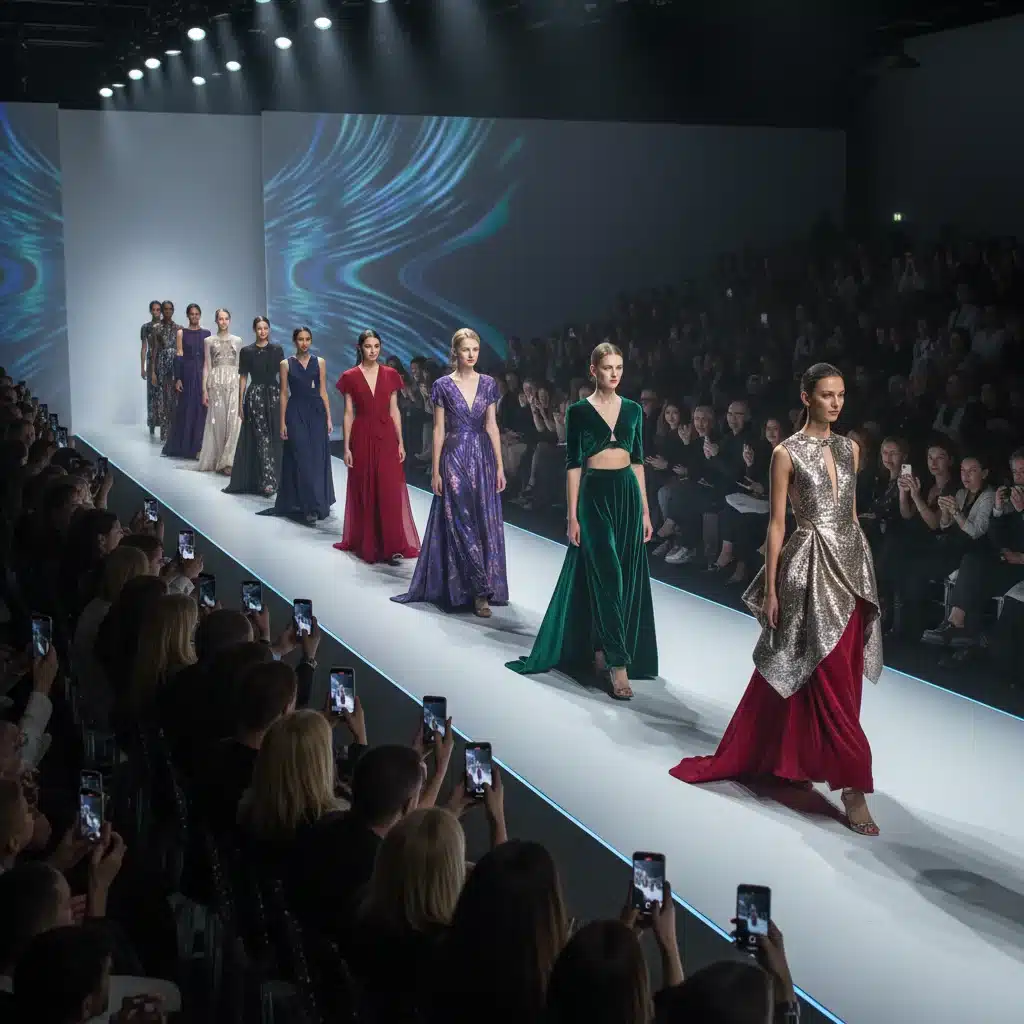
- Collection Presentation: Consider a launch event – a pop-up, a small fashion presentation, or an online virtual event – to introduce your collection to press, buyers, and loyal followers. This can generate significant media attention.
- Guest List & Invitations: Carefully curate your guest list and send out professional invitations.
- Event Logistics: Plan all event logistics, from venue and catering to music and styling.
Official Collection Launch
- E-commerce Go-Live: Officially launch your e-commerce website, making your collection available for purchase.
- Launch Day Marketing Blitz: Execute your planned launch day marketing activities: email blasts, social media announcements, paid ad campaigns, and direct outreach.
- Customer Service Preparedness: Ensure your customer service channels are ready to handle inquiries, orders, and potential issues.
Post-Launch Activities & Growth
- Monitor Sales & Website Analytics: Closely track sales data, website traffic, and conversion rates. Understand what’s selling well and what needs adjustment.
- Customer Feedback & Reviews: Actively solicit and respond to customer feedback and reviews. This provides invaluable insights for future collections.
- Social Media Engagement: Continue to engage with your audience on social media. Respond to comments, run polls, and share user-generated content.
- Press & Media Follow-up: Follow up with any media contacts who expressed interest. Provide additional information or samples as requested.
- Inventory Management: Continuously monitor inventory levels and plan for reorders or future collections.
- Financial Review: Conduct a thorough financial review of your launch. Analyze expenses, revenue, and profitability.
Key Considerations for US Emerging Designers in 2026
Beyond the timeline, several overarching themes will define success for US emerging designers in 2026:
Sustainability and Ethical Practices
Consumers are increasingly demanding transparency and ethical practices. Integrating sustainability into your brand’s core – from sourcing to production to packaging – is no longer optional but a competitive advantage. Highlight your efforts in your brand story.
Digital-First Approach
While physical experiences are valuable, a robust digital presence is non-negotiable. Your e-commerce site, social media engagement, and digital marketing strategies must be top-tier. Explore emerging technologies like AR/VR for virtual try-ons or digital fashion experiences.
Community Building
Cultivate a strong community around your brand. Engage with your audience, listen to their feedback, and make them feel like part of your journey. This fosters loyalty and creates powerful brand advocates.
Agility and Adaptability
The fashion industry can shift rapidly. Be prepared to adapt your strategies based on market feedback, new trends, and unforeseen challenges. Flexibility is key to long-term survival.
Financial Acumen
Creative talent must be paired with strong business sense. Understand your costs, pricing strategies, cash flow, and profitability. Seek mentorship or professional advice if financial management is not your strong suit.
Networking and Collaboration
Build relationships within the industry. Connect with other designers, manufacturers, stylists, photographers, and mentors. Collaborations can open doors to new audiences and creative opportunities.
Storytelling and Authenticity
In a saturated market, your authentic brand story is your most powerful tool. Be genuine, communicate your passion, and let your unique perspective shine through every aspect of your brand.
Conclusion: Your Journey to a Thriving Fashion Brand
Launching a fashion brand is an arduous but incredibly rewarding journey. This 6-month fashion designer launch blueprint for US emerging designers in 2026 provides a structured approach, breaking down a monumental task into manageable stages. While the timeline is ambitious, it is designed to instill discipline, foster strategic thinking, and ensure that no critical step is overlooked.
Remember, this blueprint is a guide, not a rigid set of rules. Be prepared to adapt, innovate, and infuse every step with your unique creative spirit. The fashion world is waiting for your vision. With careful planning, relentless dedication, and a commitment to excellence, your debut collection in 2026 can mark the beginning of a truly impactful and successful career as a fashion designer. Embrace the challenges, celebrate the small victories, and stay true to your artistic voice. Your journey from concept to collection is not just about clothes; it’s about making your mark on the world.