High Fashion Investments 2026: Unveiling Collections with 15% Appreciation Potential
In the dynamic realm of luxury, high fashion is not merely about aesthetics; it’s increasingly becoming a viable asset class for discerning investors. While traditionally viewed as consumables, certain pieces and collections possess an inherent value that can appreciate significantly over time. For those with an eye on the future, understanding the nuances of fashion investment potential for 2026 is paramount. This comprehensive guide delves into the intricate world of high fashion, identifying key trends, influential designers, and specific collection pieces that are poised to offer a compelling 15% appreciation potential by 2026. This isn’t just about buying luxury; it’s about making shrewd financial decisions in an often-unpredictable market.
The Evolving Landscape of High Fashion as an Asset
The notion of fashion as an investment has gained considerable traction over the past decade. What was once a niche pursuit for ultra-wealthy collectors has now permeated a broader investment consciousness. Factors such as the rise of resale platforms, increased transparency in pricing, and a growing appreciation for craftsmanship and heritage have all contributed to this shift. Unlike traditional investments, high fashion offers both tangible beauty and potential financial returns. However, not all luxury items are created equal when it comes to long-term value. Identifying true fashion investment potential requires a keen understanding of market dynamics, brand legacy, and future trends.
Understanding the Drivers of Appreciation in Luxury Fashion
Several critical factors contribute to the appreciation of high fashion pieces. Rarity is often at the top of the list; limited editions, bespoke creations, and pieces from highly anticipated collaborations inherently command higher prices on the secondary market. The brand’s heritage and reputation also play a crucial role. Iconic houses like Hermès, Chanel, and Louis Vuitton consistently produce pieces that hold or increase in value due to their established legacy and perceived timelessness. Furthermore, the designer’s influence, cultural relevance, and even the story behind a particular collection can significantly impact its future worth. A piece worn by a celebrity at a pivotal moment, or one that marks a significant shift in a designer’s creative direction, can see its value soar. Provenance, condition, and original packaging are also vital for maximizing resale value, reinforcing the idea that meticulous care is part of the investment strategy.
Key Trends Shaping 2026 Fashion Investment Potential
Forecasting fashion trends for investment purposes requires looking beyond seasonal fads. We need to identify enduring shifts in consumer preferences, technological advancements, and societal values that will influence demand in the coming years. For 2026, several macro-trends are set to significantly impact fashion investment potential.
Sustainability and Ethical Production
The conscious consumer is no longer a niche market; it’s a dominant force. Brands committed to sustainable practices, ethical sourcing, and transparent supply chains are gaining immense favor. Pieces made from innovative recycled materials, upcycled vintage fabrics, or those produced with minimal environmental impact are likely to see increased demand. Investors should look for brands that integrate sustainability not as a marketing gimmick, but as a core pillar of their identity. Collections that tell a compelling story of environmental responsibility will attract a growing segment of buyers willing to pay a premium.
Technological Integration and Digital Fashion
The metaverse, NFTs, and augmented reality are no longer futuristic concepts; they are actively shaping the fashion landscape. While purely digital assets are a speculative area, physical pieces that integrate technology, or those from brands actively engaging in the digital fashion space, could see enhanced value. Think limited-edition physical items accompanied by an exclusive NFT, or garments designed with smart textiles. The convergence of physical and digital will create new avenues for value creation and collection, boosting certain aspects of fashion investment potential.
Archival Revival and Heritage Reinterpretation
The cyclical nature of fashion means that yesterday’s trends often become tomorrow’s treasures. However, for investment, it’s not just about any revival. We’re seeing a strong movement towards reinterpreting archival pieces with a modern sensibility. Brands that successfully delve into their rich history, bringing back iconic silhouettes or motifs with a contemporary twist, often create highly desirable items. These pieces offer a blend of nostalgia and novelty, appealing to collectors who appreciate both history and innovation. Scarcity of true vintage originals also drives up the value of well-executed modern reinterpretations.
Gender Fluidity and Inclusivity
The breaking down of traditional gender barriers in fashion is a powerful and ongoing trend. Collections that embrace gender-neutral designs, offer inclusive sizing, and celebrate diversity are resonating deeply with a new generation of consumers. Pieces that are inherently versatile and appeal to a broader demographic are likely to maintain stronger demand and thus higher resale value. This shift reflects a broader societal movement and brands that are authentically aligned with these values will likely see their pieces become more sought after.
Designers and Brands to Watch for 2026 Appreciation
Identifying the right designers and brands is crucial for maximizing fashion investment potential. While established luxury houses are often safe bets, emerging talents and brands undergoing significant creative shifts can offer even greater upside. Here are a few categories and specific examples to consider:
Established Icons with Renewed Vision
Brands like Chanel, Hermès, and Louis Vuitton consistently produce investment-worthy pieces. For 2026, focus on their limited-edition collaborations, iconic bags in rare materials or colors, and haute couture pieces that set new precedents. Look for specific creative directors who are injecting fresh energy while respecting the brand’s heritage. For example, any collection from Hermès that introduces a new, highly coveted bag silhouette or a limited-run Birkin/Kelly in an unusual leather or finish almost guarantees appreciation.
Avant-Garde Innovators
Designers who push boundaries and redefine aesthetics often create pieces that become future collectibles. Think of the early works of designers like Rei Kawakubo (Comme des Garçons), Martin Margiela, or Demna Gvasalia (Balenciaga/Vetements). For 2026, keep an eye on designers who are challenging norms, experimenting with form, material, and concept. Their early, seminal works or particularly impactful runway pieces could become highly desirable. Look for pieces that are unique, instantly recognizable, and represent a significant moment in their creative journey.
Artisanal and Craft-Focused Brands
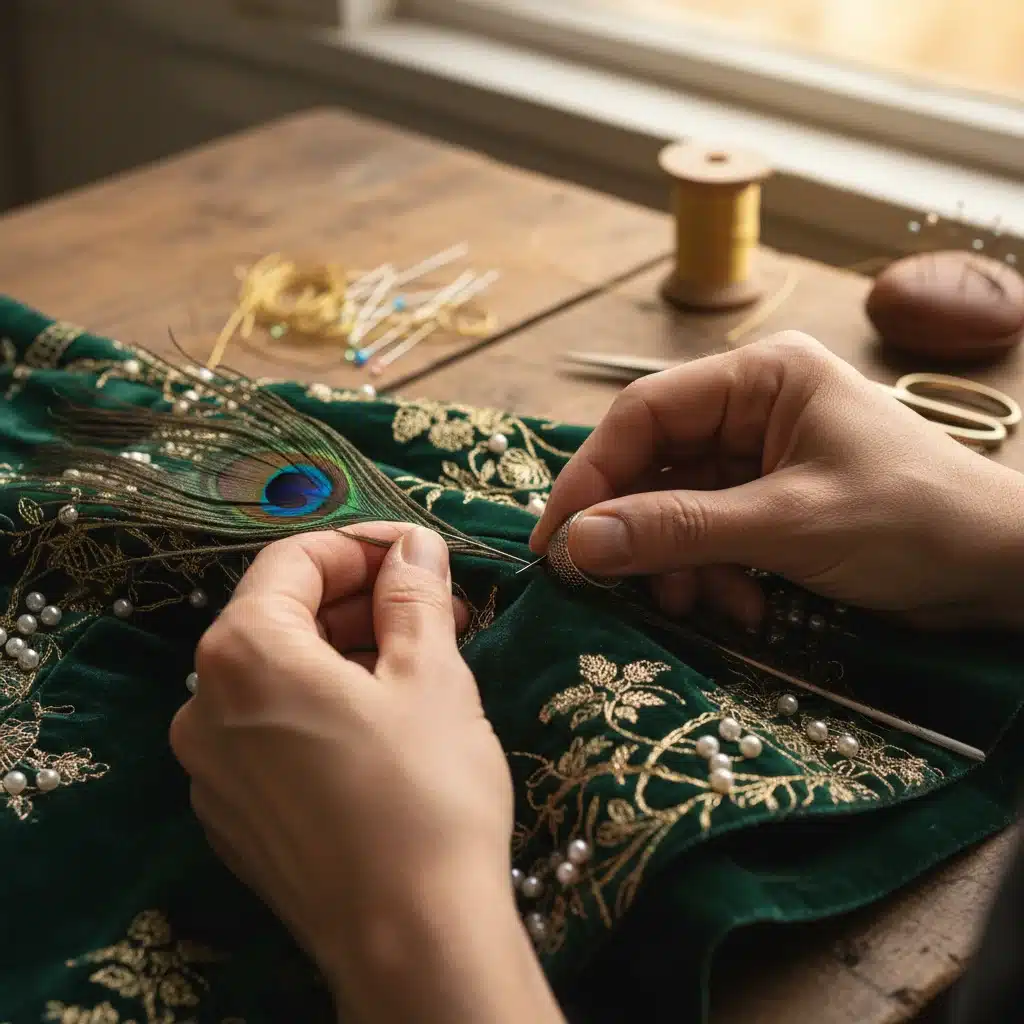
In an increasingly digital world, there’s a growing appreciation for the tangible and the handmade. Brands that emphasize traditional craftsmanship, bespoke tailoring, and unique artisanal techniques are creating pieces with intrinsic value. These are often less about mass production and more about limited availability and exceptional quality. Investing in such pieces supports heritage crafts and offers unique ownership. Look for items that showcase intricate embroidery, hand-painting, or specialized weaving techniques. The story of the craft often adds significant value.
Specific Collection Pieces with 15% Appreciation Potential by 2026
Pinpointing exact pieces requires a blend of market analysis, trend forecasting, and a deep understanding of brand strategies. Here are categories and examples likely to exhibit strong fashion investment potential:
Iconic Handbags in Rare Iterations
Certain luxury handbags consistently outperform other fashion categories. The Hermès Birkin and Kelly, Chanel Classic Flap, and specific Louis Vuitton collaborations (e.g., with artists like Takashi Murakami or Yayoi Kusama) have a proven track record. For 2026, focus on:
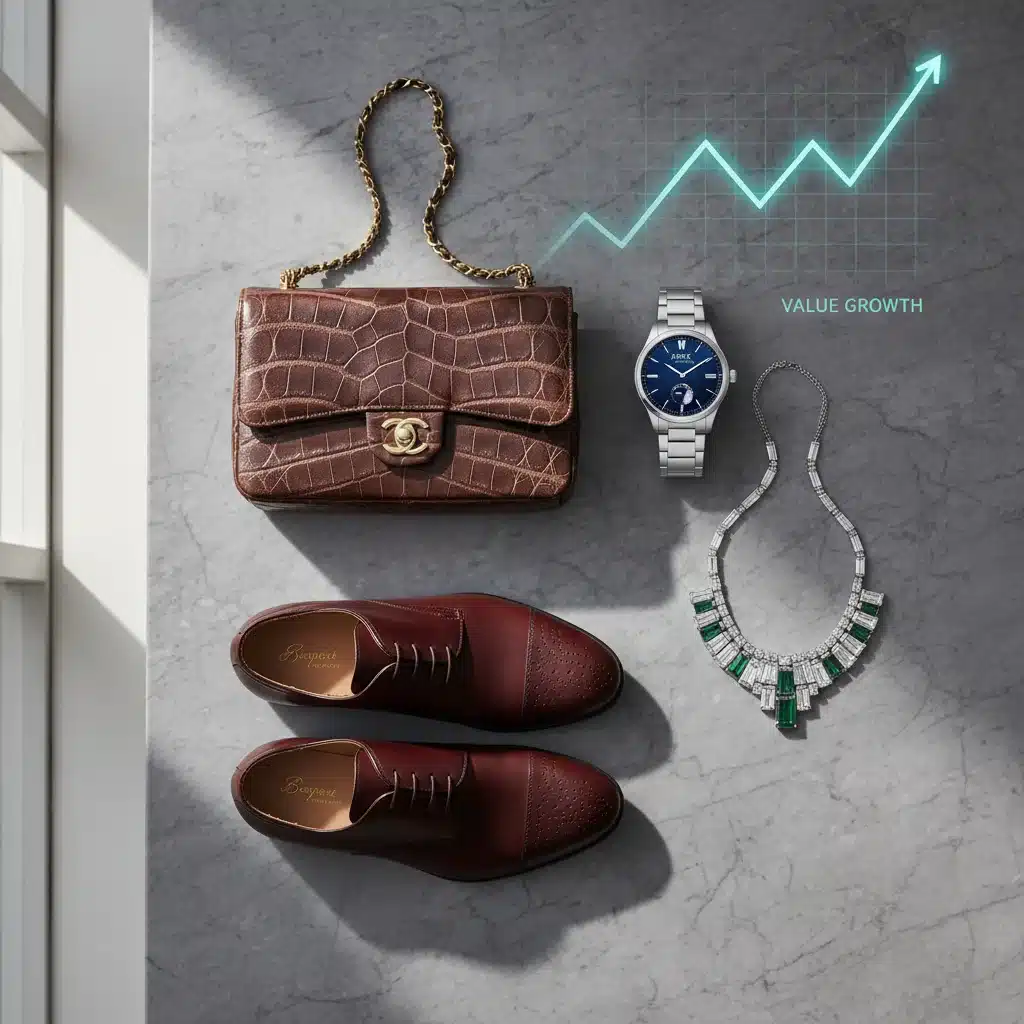
- Hermès: Limited-edition Birkins or Kellys in exotic leathers (e.g., alligator, crocodile, ostrich) or unique seasonal colors that gain cult status. Also, special order (HSS) bags are highly coveted.
- Chanel: Classic Flap bags in rare materials (e.g., full exotic skin, tweed with unique embellishments) or limited-production runway pieces that deviate slightly from the standard. Vintage Chanel pieces, particularly those from the 80s and 90s, are also seeing a resurgence.
- Louis Vuitton: Highly limited artist collaborations that fuse art and fashion, especially those that are visually striking and produced in very small quantities. The brand’s focus on heritage trunks and hard-sided luggage also presents unique fashion investment potential.
Haute Couture and Bespoke Garments
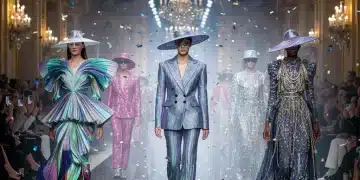
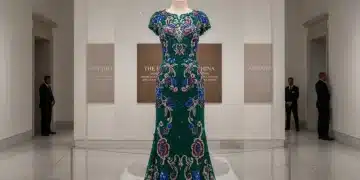
While often prohibitively expensive initially, true haute couture pieces from houses like Dior, Schiaparelli, or Valentino can be incredible investments. These are one-of-a-kind, handmade garments that represent the pinnacle of fashion artistry. Their value is in their uniqueness, craftsmanship, and historical significance. While harder to acquire, a well-documented haute couture piece from a significant collection could easily exceed a 15% appreciation. Similarly, bespoke tailoring from renowned ateliers offers a similar exclusivity.
Limited-Edition Watches and Jewelry
While not strictly ‘fashion’ in the garment sense, luxury watches and fine jewelry are integral to the high fashion ecosystem and offer significant fashion investment potential. Brands like Rolex, Patek Philippe, Audemars Piguet, and Cartier consistently produce models that appreciate. For 2026, look for:
- Rolex: Specific sports models (e.g., Daytona, GMT-Master II) in stainless steel or with unique dial configurations.
- Patek Philippe: Nautilus and Aquanaut models, particularly those in limited production or with complications.
- Cartier: Vintage Tank or Panthère models, especially those with unique dials or in precious metals, are seeing renewed interest.
- Independent Jewelers: Pieces from independent, artisanal jewelers who are gaining critical acclaim for innovative designs and exceptional craftsmanship.
Cult Footwear and Collectible Sneakers
The sneaker market has exploded, with certain limited-edition releases fetching astronomical prices. While highly volatile, specific collaborations and iconic silhouettes can offer rapid appreciation. Beyond sneakers, high-end designer footwear that becomes culturally significant can also be an investment. Think of specific runway shoes from brands like Balenciaga or Rick Owens that become emblematic of a particular era or aesthetic. The key here is exclusivity and cultural impact.
Analyzing Market Indicators for Investment Decisions
Successful fashion investment potential hinges on more than just guessing trends. It requires diligent research and analysis of market indicators. Here’s what to look for:
Resale Market Performance
Platforms like The RealReal, Vestiaire Collective, and StockX provide invaluable data on the secondary market. Track the resale value of similar pieces, specific brands, and collections. Look for consistent upward trends, strong sell-through rates, and pieces that retain a high percentage of their retail value. A piece that sells quickly and above its original price is a strong indicator of future appreciation.
Auction Results
High-end auction houses (e.g., Christie’s, Sotheby’s) regularly feature luxury fashion and accessories. Their results provide a benchmark for the value of rare and iconic pieces. Pay attention to record-breaking sales and the types of items that attract competitive bidding. These auctions often set the precedent for future valuations of similar items, highlighting true fashion investment potential.
Industry Reports and Expert Opinions
Consult reports from luxury market analysts (e.g., Bain & Company, Deloitte) and read insights from reputable fashion journalists and critics. Their perspectives on emerging designers, brand health, and long-term trends can offer crucial foresight. Attend virtual or physical industry events to stay abreast of the latest developments and sentiment.
Mitigating Risks and Maximizing Returns
Like any investment, high fashion comes with its own set of risks. Market shifts, changes in brand creative direction, and even economic downturns can impact value. However, strategic planning can help mitigate these risks and maximize your fashion investment potential.
Authenticity and Provenance
Always ensure the authenticity of any luxury item you purchase. Buy from reputable sources, retain all original receipts, authentication cards, and packaging. Strong provenance significantly increases resale value and minimizes the risk of devaluation due to counterfeits. Documentation is key to proving the legitimacy and history of your investment.
Condition and Care
The condition of a fashion item is paramount to its value. Store pieces correctly, protect them from light, moisture, and dust, and handle them with care. Professional cleaning and maintenance, particularly for delicate materials, can preserve their pristine state. A well-maintained piece will always fetch a higher price than one showing signs of wear and tear.
Diversification
Don’t put all your eggs in one basket. Diversify your high fashion investments across different brands, categories (e.g., handbags, jewelry, unique garments), and eras. This strategy can help balance out potential fluctuations in specific segments of the market and enhance overall fashion investment potential.
Long-Term Perspective
While we’re discussing 2026, many high fashion investments truly appreciate over a longer horizon. Be prepared to hold onto pieces for several years to realize significant returns. Short-term speculation can be risky. The value of true luxury often compounds over time as scarcity increases and historical significance is cemented.
Conclusion: Investing in the Future of Fashion
The world of high fashion offers a fascinating and potentially lucrative avenue for investment. By understanding the key drivers of appreciation, staying attuned to emerging trends, and carefully selecting pieces from influential designers and brands, investors can unlock significant fashion investment potential. For 2026, the focus will be on pieces that blend rarity, exceptional craftsmanship, cultural relevance, and a commitment to sustainability or technological innovation. While a 15% appreciation is an ambitious target, strategic acquisitions in this unique market can certainly yield impressive returns. Approach high fashion investment with research, patience, and a genuine appreciation for the artistry involved, and you may find your wardrobe not only brings joy but also a healthy financial return.