Navigating the Future: A Comparative Analysis of Top Fashion Trend Forecasting Methodologies
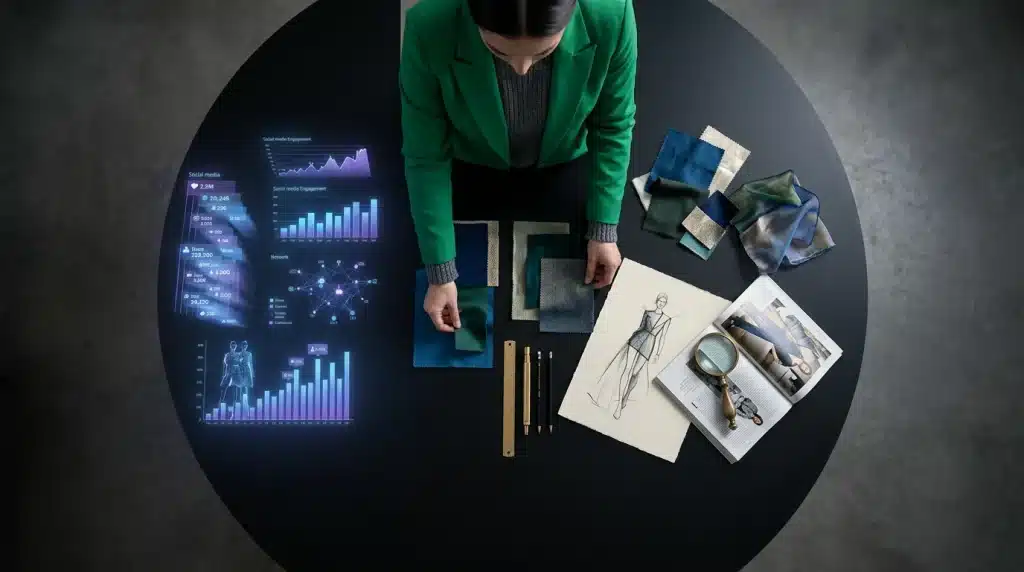
In the high-stakes world of fashion, predicting the next big thing feels like a mix of sorcery and science. Is it a gut feeling from a seasoned creative director, or the cold calculation of an algorithm scanning millions of images? The truth is, the very foundation of how trends are born is undergoing a radical transformation, moving far beyond the traditional top-down decrees from Parisian runways.
For decades, a select group of tastemakers held the power to define what we would wear. Today, that power has been decentralized. Influence now bubbles up from countless sources: a viral TikTok video, the gritty authenticity of street style in Seoul, or the experimental vision of an emerging designer in Lagos. This shift has turned trend forecasting from a closed-door art form into a complex, data-intensive discipline where cultural anthropology meets machine learning.
But which method holds the key to the future? This article navigates the complex landscape of modern fashion forecasting. We will dissect the ongoing battle between data-driven analytics and human intuition, clarifying their respective strengths and weaknesses. we’ll explore the critical difference between long-term macro shifts and fleeting micro fads, and examine how street style and up-and-coming designers have become the most vital sources for predicting what comes next.
The Art and Science of Fashion Trend Forecasting: An Overview
Predicting what we’ll wear next season feels like a dark art, but it’s actually a calculated industry. Fashion trend forecasting is the complex process of analyzing current cultural currents, runway shows, and consumer behavior to predict future styles. For designers, a solid forecast is the difference between a blockbuster collection and a warehouse full of unsold inventory. It’s a high-stakes game of foresight.
Historically, this power was concentrated in the hands of a few Parisian couturiers who dictated trends from the top down. That model is dead. Today, influence bubbles up from everywhere—a TikTok micro-trend, a specific brand of vintage denim, or a viral celebrity moment. What most people miss is that modern forecasting is less about one person’s vision and more about synthesizing millions of data points, from social media sentiment to retail analytics. A report from the Business of Fashion, for instance, noted a 67% increase in brands using AI-driven tools for trend analysis.
The field now blends keen intuition with hard data, a bit like a chef perfecting a recipe by both taste and precise measurement. Is it possible to get it right every time? Forecasters analyze everything from art exhibitions to economic indicators to build a picture of what consumers will desire. This blend of qualitative and quantitative analysis is central to providing expert insights into emerging fashion trends.
This shift makes mastering fashion trends a more democratic—but also more chaotic—endeavor. It also raises the risk of major street style faux pas when trends are misinterpreted. The old methods are being challenged, but the new ones are still being tested, creating a fascinating tension between human creativity and machine intelligence.
Data-Driven Insights: Algorithms vs. Human Intuition in Trend Prediction
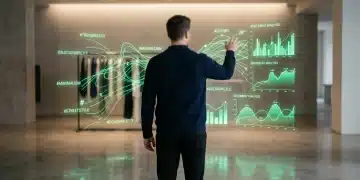
The fashion industry’s long-standing reliance on gut feelings and the trained eye of a seasoned editor is facing a direct challenge from cold, hard code. Predictive analytics platforms now promise to quantify cool, turning style into a statistical probability. These systems ingest colossal amounts of data—from social media engagement to e-commerce search queries—to forecast what we’ll be wearing next season. The efficiency is undeniable, but does it come at the cost of genuine creativity?
This shift represents more than just a new tool; it’s a core conflict between two philosophies of style. One sees fashion as a dataset to be mined for profitable patterns. The other views it as a cultural language, rich with nuance, irony, and human emotion that can’t be captured by an algorithm. The real question is whether one can exist without the other.
The Rise of Algorithmic Trend Spotting
Big data’s promise is seductively simple: speed and scale. AI-powered platforms like Heuritech can analyze over 3 million images and videos from Instagram and TikTok daily, identifying nascent trends with terrifying precision. They can pinpoint the exact shade of green that is gaining traction in Seoul or track the resurgence of a specific handbag silhouette across European capitals. This allows brands to react almost instantly to the ever-shifting pulse of fashion.
The primary advantage is the elimination of guesswork. Instead of betting millions on a designer’s hunch, a company can use predictive analytics to validate a collection’s color palette or material choices with a high degree of statistical confidence. Some reports claim these methods can improve forecast accuracy by up to 79% over traditional techniques. This data-first approach minimizes risk and maximizes commercial potential, but it also raises a troubling question: are we just creating a high-tech echo chamber?
By optimizing for what is already gaining engagement, algorithms risk promoting a global monoculture of style. They are brilliant at identifying what is popular but less capable of discovering what is new. Blindly following data can lead directly to the kind of uninspired looks that result in widespread street style faux pas, where everyone is wearing the same “trend” without any personal context.
The Enduring Value of Human Expertise
So, the machine wins? Not so fast. While an algorithm can tell you what is trending, it often fails to explain why. This is where human forecasters, cultural anthropologists, and trend agencies like WGSN retain their power. Their work is less about counting likes and more about decoding the cultural zeitgeist. They connect the dots between seemingly unrelated shifts in art, politics, technology, and social behavior.
This qualitative approach is about understanding the mood behind the movement. It’s the difference between knowing that “gorpcore” (utilitarian, outdoor-inspired clothing) is popular and understanding that its rise is connected to a post-pandemic desire for functionality and a psychological need for perceived preparedness. These are insights born from experience, observation, and a deep understanding of human psychology—something an algorithm can’t yet replicate.
Cultural Semiotics and Consumer Psychology
The most advanced human forecasting isn’t just about looking at clothes; it’s about reading cultural signals. This practice, known as cultural semiotics, analyzes how symbols, colors, and silhouettes acquire meaning within a society. For example, a human expert understands that the return of power shoulders isn’t just an aesthetic choice; it might signal a collective desire for strength and authority during uncertain economic times.
Dr. Anja Aronowsky Cronberg, founder of Vestoj, a journal on fashion theory, emphasizes that clothing is a form of non-verbal communication. Experts in this field act as translators. They are less like data analysts and more like cultural detectives, piecing together clues to present a holistic picture of where society is heading. This is what allows for forward-thinking expert insights into emerging fashion trends, rather than just reacting to what is already visible.
Comparative Analysis: Data vs. Intuition
Deciding which methodology to trust often feels like choosing between a supercomputer and a sage. Each has distinct strengths and critical weaknesses, making them suited for different goals. Below is a breakdown of how they stack up against each other.
| Factor | Data-Driven (AI/Algorithms) | Human Intuition (Experts) |
|---|---|---|
| Speed | Near real-time analysis of millions of data points. | Slower, based on long-term observation and research cycles. |
| Scale | Global; can monitor thousands of micro-trends simultaneously. | Limited; focuses on specific cultural hotspots and expert networks. |
| Depth of Insight | Identifies ‘what’ and ‘how much’ but struggles with ‘why’. | Excels at explaining the ‘why’—the cultural and social drivers. |
| Predictive Scope | Strong for short-term (3-12 months) commercial trends. | Better for long-term (2-5 years) macro and societal shifts. |
| Risk | Can perpetuate micro-trends and create echo chambers. | Subject to individual bias and misinterpretation of signals. |
Ultimately, the most effective approach may not be an either/or choice. The future of trend forecasting likely lies in a hybrid model—one that uses AI for its immense data-processing power while relying on human experts to interpret that data, add cultural context, and separate the fleeting fads from the foundational shifts that define an era.
Fashion forecasting is no longer about dictating taste; it’s about decoding desire. We’re moving from being tastemakers to being cultural translators, piecing together the ‘why’ behind what people want to wear.
— Dr. Anja Aronowsky Cronberg, Founder of Vestoj
| Factor | Data-Driven (AI/Algorithms) | Human Intuition (Experts) |
|---|---|---|
| Speed | Near real-time analysis of millions of data points. | Slower, based on long-term observation and research cycles. |
| Scale | Global; can monitor thousands of micro-trends simultaneously. | Limited; focuses on specific cultural hotspots and expert networks. |
| Depth of Insight | Identifies ‘what’ and ‘how much’ but struggles with ‘why’. | Excels at explaining the ‘why’—the cultural and social drivers. |
| Predictive Scope | Strong for short-term (3-12 months) commercial trends. | Better for long-term (2-5 years) macro and societal shifts. |
| Risk | Can perpetuate micro-trends and create echo chambers. | Subject to individual bias and misinterpretation of signals. |
Macro vs. Micro Trends: Different Lenses for Future Fashion
Let’s dismantle a common myth: not all trends are created equal. Confusing a fleeting fad with a deep cultural shift is a costly mistake for any designer or brand. The ability to distinguish between the two is what separates the trend-setters from the trend-chasers. This distinction is everything.
Understanding Macro-Level Shifts
Macro trends are the tectonic plates of fashion, moving slowly but with immense force. They are long-term directional changes that reflect deep shifts in consumer values, lifestyles, and global events, often lasting five to ten years. Think of the sustained movement towards gender-fluid clothing or the industry-wide pivot to sustainable materials. These aren’t seasonal whims; they are basic realignments of what we value.
Forecasting these shifts requires a more anthropological approach. While data can signal a change, human expertise is necessary to interpret the why. A study from the Boston Consulting Group found that nearly 73% of consumers view sustainability as a key purchasing factor, but it takes a cultural strategist to connect that data point to broader anxieties about climate change and a desire for corporate responsibility. This is where qualitative analysis and expert insights into emerging fashion trends provide unparalleled depth, examining societal moods rather than just product sales.
Spotting the Ephemeral: Micro Trends
On the other end of the spectrum are micro trends. These are the fast-burning, often digitally-fueled fads that explode into the collective consciousness and vanish just as quickly. Propelled by platforms like TikTok and Instagram, they can manifest as a specific aesthetic—like the “Coastal Grandmother” look—or a single “it” item that dominates feeds for a few months. Their lifecycle is brutally short.
Identifying these requires speed and computational power. This is the domain of AI-driven analytics, which can scan millions of social media posts and e-commerce listings to detect a sudden surge in interest. But how do you avoid getting burned by a trend that’s over before your collection even hits the stores? The underrated factor here is context. A smart forecaster uses data to spot the micro trend but cross-references it against macro shifts to gauge its potential longevity—or lack thereof. Chasing every micro-fad is a notorious way to commit common pitfalls in urban fashion.
Ultimately, understanding the interplay is the real challenge. Think of it like weather versus climate. Micro trends are the daily forecast—unpredictable and constantly changing. Macro trends are the underlying climate determining the overall conditions. Ignoring one for the other leaves you unprepared for either the sudden storm or the changing of the seasons.
The Role of Street Style and Emerging Designers in Shaping Future Forecasts
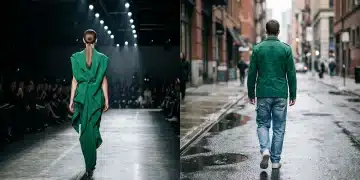
The long-held myth of fashion trends being dictated from an ivory tower by a handful of European creative directors is officially dead. While major houses still hold influence, the true engine of sartorial change now hums on the pavement. Grassroots movements, raw street style, and the unfiltered creativity of new designers provide the most potent—and often most accurate—signals of what’s next. These are the “bottom-up” indicators that professional forecasters obsess over.
Forecasting agencies no longer just attend runway shows. Their process now resembles something closer to cultural anthropology. According to a report from The Future Laboratory, analysts spend over 60% of their time monitoring digital subcultures and analyzing street-style photography from cities like Seoul, Lagos, and Berlin. This data provides a real-time, unfiltered look at how people are actually wearing clothes, not just how designers want them to.
Street Style as a Living Laboratory
Think of the world’s most fashionable city blocks as living laboratories for style experimentation. From Harajuku in Tokyo to SoHo in New York, these areas are where new silhouettes, color combinations, and styling hacks are born and tested in real-time. A single, well-photographed individual can unknowingly launch a micro-trend that gets amplified across platforms like TikTok and Instagram within hours. But how does a single outfit choice actually create that ripple effect?
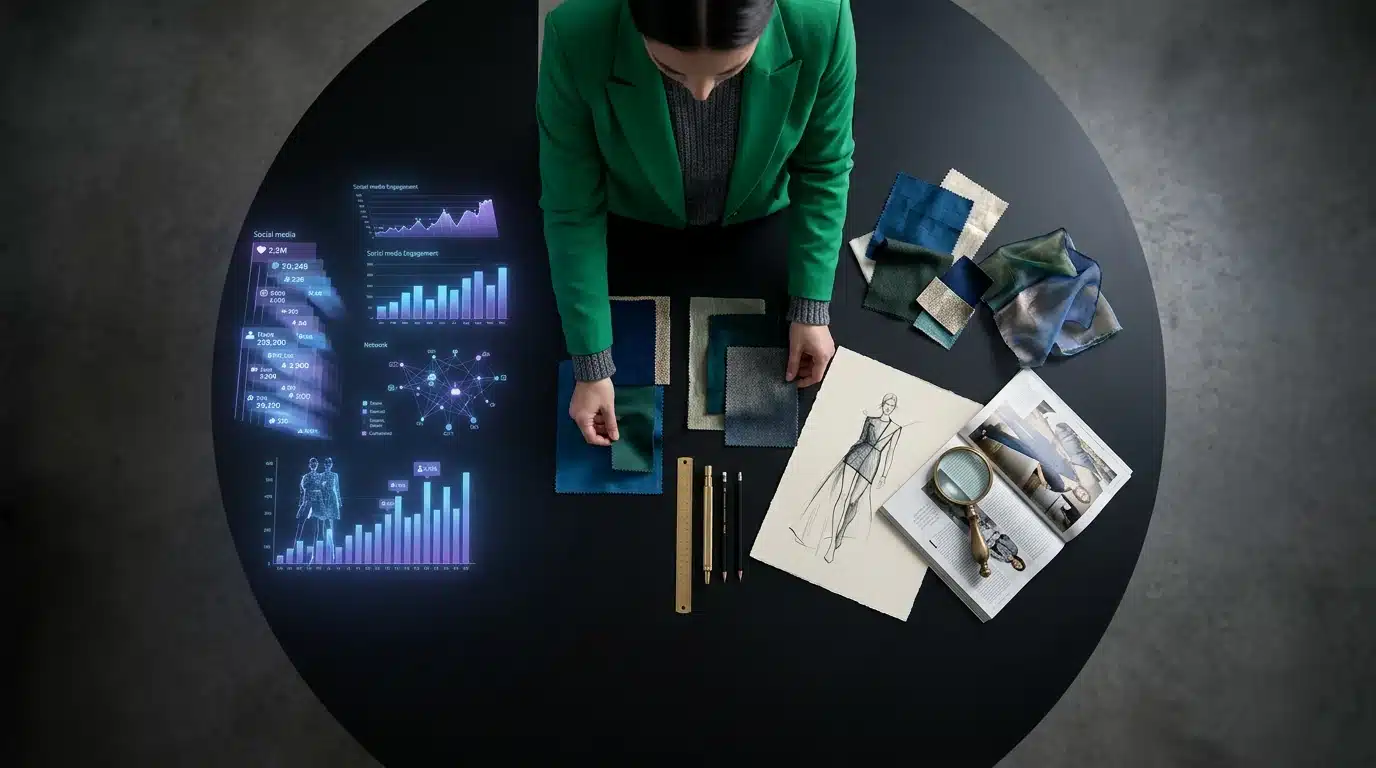
The answer lies in data aggregation. Forecasting firms use AI-powered tools to scan millions of social media images, identifying recurring patterns. They track the velocity of specific items—a particular sneaker model, a style of handbag, or even a way of cuffing a sleeve. What most people miss is that it isn’t about copying one person’s look; it’s about identifying the underlying aesthetic shift that person represents. This is where the real pulse of fashion is found.
Key Indicators to Observe
Spotting these signals is less about finding the loudest outfit and more about noticing subtle shifts. Look for the “third-wear” phenomenon, where a garment is used in a completely unintended way. Another key indicator is the unexpected mixing of high-end luxury pieces with thrift store finds or utilitarian workwear. This high-low combination often signals a rejection of traditional style rules and points toward a more democratized view of fashion.
Emerging Designers: The Avant-Garde of Tomorrow
If street style is the laboratory, then emerging designers are the lead research scientists. Unburdened by the commercial pressures and brand heritage of established houses, these creators are free to experiment with radical ideas. They often operate within niche communities, reflecting and shaping hyper-local trends long before they reach the mainstream consciousness. Their work acts as a concentrated dose of the future.
Legacy brands watch these designers with an eagle eye. A recent analysis by Vogue Business found that over 70% of major luxury brands have dedicated teams or external scouts tasked solely with monitoring graduates from schools like Central Saint Martins and Parsons. They are not just looking for talent to hire; they are mining these collections for nascent concepts, material innovations, and silhouette directions that can be adapted for a mass audience. This constant observation is a core part of gaining expert insights into emerging fashion trends.
Platforms for Discovery
The discovery process has also been completely rewired. While graduate shows are still important, digital platforms are now major. Instagram serves as a living portfolio, but newer platforms and online marketplaces focused on independent design—think SSENSE or APOC Store—have become critical hubs. These curated spaces act as filters, highlighting the designers who are not only creative but also have a clear, marketable vision.
Checklist: Spotting Street Style Trendsetters
Developing an eye for genuine, forward-moving street style requires looking past the influencer-driven homogeneity. It’s about spotting the subtle cues that signal a genuine shift, not just a fleeting fad. Trying to separate the signal from the noise is the hardest part of mastering fashion trends.
- DIY Modifications: Look for customized or altered garments. This can range from hand-painted denim to reconstructed shirts, indicating a desire for individuality that mass-market brands can’t satisfy.
- The “Wrong” Shoe Theory: Pay attention when someone pairs an outfit with completely unexpected footwear—formal wear with hiking boots, for instance. This deliberate clash often precedes a wider trend.
- Vintage Recontextualization: Observe how vintage pieces (especially from less-fashionable eras like the early 2000s or 1980s) are being styled. The specific way they are integrated with modern clothing reveals future silhouette and color palette directions.
- Accessory Stacking & Placement: Notice unconventional ways people wear jewelry, belts, or bags. Is a belt worn over a coat? Are multiple, mismatched bags carried at once? These small details are powerful leading indicators.
Ultimately, both street style and emerging designers represent the decentralization of fashion influence. The power is no longer concentrated; it’s distributed among a global network of creative individuals, and learning to read their signals is the new key to understanding what comes next.
Integrating Forecasts: How Brands and Consumers Apply Trend Intelligence
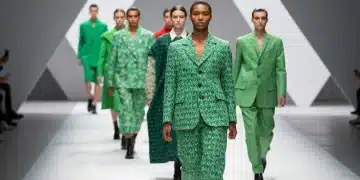
A trend forecast is utterly useless until it’s translated into a sellable product and a compelling story. The real battle isn’t predicting the next big thing; it’s operationalizing that prediction before your competitor does. For fashion brands, this intelligence dictates everything from the specific shade of green for a spring collection to the tone of a global marketing campaign. It’s a brutal numbers game. This process separates the market leaders from the laggards. According to a report from the Global Fashion Syndicate, brands that successfully integrated trend data into their product development cycle saw an average 18% reduction in overstock inventory. They avoided betting millions on a silhouette or color that ultimately failed to connect with the zeitgeist. This isn’t about chasing fads; it’s about calculated risk mitigation.
Strategic Use by Fashion Brands
For a brand, using a forecast goes far beyond simply picking a new color. It’s a complex strategic exercise involving the entire supply chain. What most people miss is how forecasts influence material sourcing decisions months, or even years, in advance. Does a prediction for utility-focused aesthetics mean investing more in durable twills and less in delicate silks? That single decision can define an entire season’s profitability. Consider the Danish brand Ganni, which expertly rode the wave of the “Scandi 2.0” style. They didn’t just produce floral dresses; they used forecast intelligence to time their drops, collaborate with specific influencers, and build a marketing narrative around effortless Copenhagen cool. Their success wasn’t an accident. It was a masterclass in turning abstract fashion intelligence into tangible, commercial desire, a process detailed in many expert insights into emerging fashion trends. This is strategic execution at its finest.
Empowering the Savvy Consumer
But why should brands have all the fun? The democratization of information means that consumers now have access to the same forward-looking intelligence. A savvy individual is no longer a passive recipient of trends but an active curator of their own style. Following forecasts allows you to anticipate shifts, plan investments in key pieces, and artfully sidestep the micro-trends designed to burn a hole in your wallet. Think of a forecast as a detailed ingredient list for the season. Having the list doesn’t automatically make you a great chef—you still need personal taste and technique to combine those ingredients into a coherent meal. It’s the difference between blindly buying a trendy item and understanding how to integrate its essence into your existing wardrobe, a key skill for mastering fashion trends. This knowledge helps you identify which elements have longevity and which are merely fleeting social media moments. Ultimately, this access empowers consumers to build more sustainable and personal wardrobes. By understanding the “why” behind a trend, you can invest in pieces that resonate authentically rather than just chasing novelty. The real power lies not in following the forecast, but in using it to inform a style that is uniquely your own.
Beyond Prediction: The Ethical and Sustainable Dimensions of Trend Forecasting
Trend forecasting has long been the engine of fashion’s relentless cycle of newness. The traditional model champions what’s next, often without questioning the cost. But a core shift is underway, forcing the industry to confront its own impact. The data suggests—though not conclusively—that this change is consumer-driven; a recent report from McKinsey noted that 66% of shoppers will pay more for sustainable goods.
This alters the very job of a forecaster. The focus is no longer solely on aesthetics but on sustainable fashion forecasting. Forecasters are now tasked with identifying materials, processes, and systems that align with circular economy principles. What most people miss is how this changes the creative process itself, turning it from a simple prediction into a form of advocacy. Are we just predicting a color, or are we championing a non-toxic dye process?
Forecasting now involves a moral calculus.
Instead of just looking at hemlines and silhouettes, the new methodology scrutinizes supply chains and labor practices. The expert insights into emerging fashion trends now include assessments of water usage and waste reduction. This approach — which is much harder work, by the way — redefines an “it” item not by its fleeting popularity but by its lasting, positive impact. For anyone just mastering fashion trends, understanding this ethical layer is no longer optional; it’s the entire point.
The Unpredictable Human Element
As algorithms become increasingly adept at identifying patterns and predicting the commercial viability of a trend, we are forced to confront a underlying question: what is the future role of human creativity? If data can tell us what consumers already want, the true frontier of fashion may belong to those who dare to create what consumers don’t yet know they desire. Will the next revolutionary movement in style emerge not from a predictive model, but from a designer who purposefully disconnects, ignores the data, and creates from a place of pure, unquantifiable vision? Perhaps the most valuable trend will be the one that no algorithm could ever see coming.
Frequently Asked Questions
What is the difference between trend forecasting and trend spotting?
Trend forecasting is a strategic process that analyzes data and cultural shifts to predict long-term future trends, helping brands plan collections seasons in advance. Trend spotting, is more immediate and involves identifying and reporting on current styles and fads as they emerge, often in street style or on social media.
How accurate are fashion trend forecasts?
The accuracy of fashion forecasts can vary significantly. Data-driven, short-term forecasts for specific items or colors can be quite precise, sometimes exceeding 80% accuracy. long-term macro forecasts are more directional, predicting societal shifts rather than exact styles, making their accuracy harder to quantify but valuable for overall brand strategy.
Can individual consumers benefit from fashion trend forecasts?
Absolutely. Understanding trend forecasts helps consumers make more informed purchasing decisions, investing in pieces with longevity rather than fleeting fads. It also provides context for why certain styles are popular, empowering individuals to interpret trends in a way that aligns with their personal aesthetic instead of just following them blindly.
What role does social media play in modern trend forecasting?
Social media is a dual-force in forecasting. It serves as a massive, real-time dataset for AI tools to analyze emerging patterns and consumer sentiment. Simultaneously, it acts as an accelerator, allowing micro-trends to form, spread globally, and die out with extraordinary speed, making it both a source of data and a driver of the trend cycle itself.
How do emerging designers influence future fashion trends?
Emerging designers are often the originators of true innovation. Unconstrained by the commercial pressures of established houses, they experiment with new silhouettes, materials, and concepts. These avant-garde ideas often serve as the raw material for professional forecasters, who see them as early indicators of future macro trends that will later be adapted for the mass market.