Fashion Week 2026: Emerging US Designers’ Ultimate Preparation Checklist
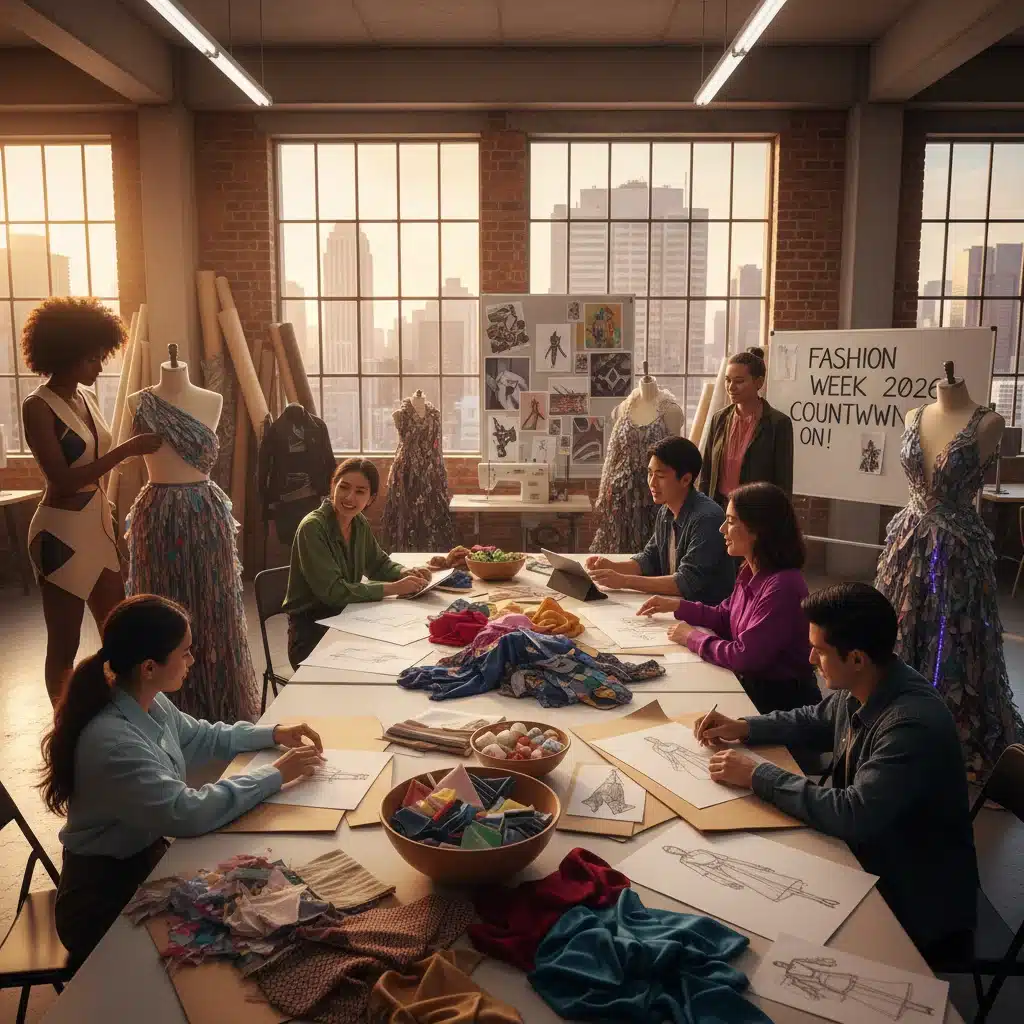
Fashion Week 2026 is rapidly approaching, and for emerging US designers, this pivotal event represents an unparalleled opportunity to catapult their brands onto the global stage. The stakes are incredibly high, and the competition fierce. Maximizing exposure and securing critical sales require meticulous planning, strategic execution, and a deep understanding of the industry’s intricate dynamics. This comprehensive checklist is designed to guide you through every critical phase of your Fashion Week Preparation, ensuring you are not just participating, but thriving.
The journey to Fashion Week is multifaceted, encompassing creative development, logistical coordination, financial management, and robust marketing. Neglecting any one area can undermine your entire effort. Our aim is to provide a holistic framework that addresses these challenges, empowering you to make the most of this career-defining moment. From perfecting your collection to engaging with media and potential buyers, every step is crucial for emerging US designers looking to carve out their niche.
Understanding the Significance of Fashion Week for Emerging US Designers
For an emerging designer, Fashion Week is more than just a runway show; it’s a powerful platform for brand visibility, networking, and commercial growth. It’s where trends are set, careers are launched, and significant business deals are forged. The exposure gained during this period can be transformative, leading to editorial features, celebrity endorsements, and crucial retail partnerships. However, this visibility comes with immense pressure to perform and present a cohesive, compelling vision.
Participation in Fashion Week signals a certain level of commitment and professionalism to the industry. It demonstrates that a designer is ready to compete on a larger scale and has the potential for sustained growth. For US-based emerging talents, it’s an opportunity to showcase American innovation and creativity, contributing to the diverse tapestry of global fashion. The media attention, buyer interest, and peer recognition are invaluable assets that can shape the trajectory of a young brand.
This guide will delve into the actionable steps required for successful Fashion Week Preparation, ensuring you leverage every opportunity to maximize exposure and drive sales. We will cover everything from the initial design phase to post-show follow-up, providing a roadmap for emerging designers to navigate this complex yet rewarding landscape.
Phase 1: The Creative Foundation & Collection Development (12-18 Months Out)
1. Define Your Brand Identity and Vision
Before a single stitch is sewn, solidify your brand’s core identity. What is your unique selling proposition? What story do you want to tell? Your brand identity should be clear, consistent, and reflected in every aspect of your collection. This includes your aesthetic, target audience, and brand philosophy. A strong, authentic vision is the bedrock of a memorable Fashion Week debut.
2. Concept & Theme Development for Fashion Week 2026
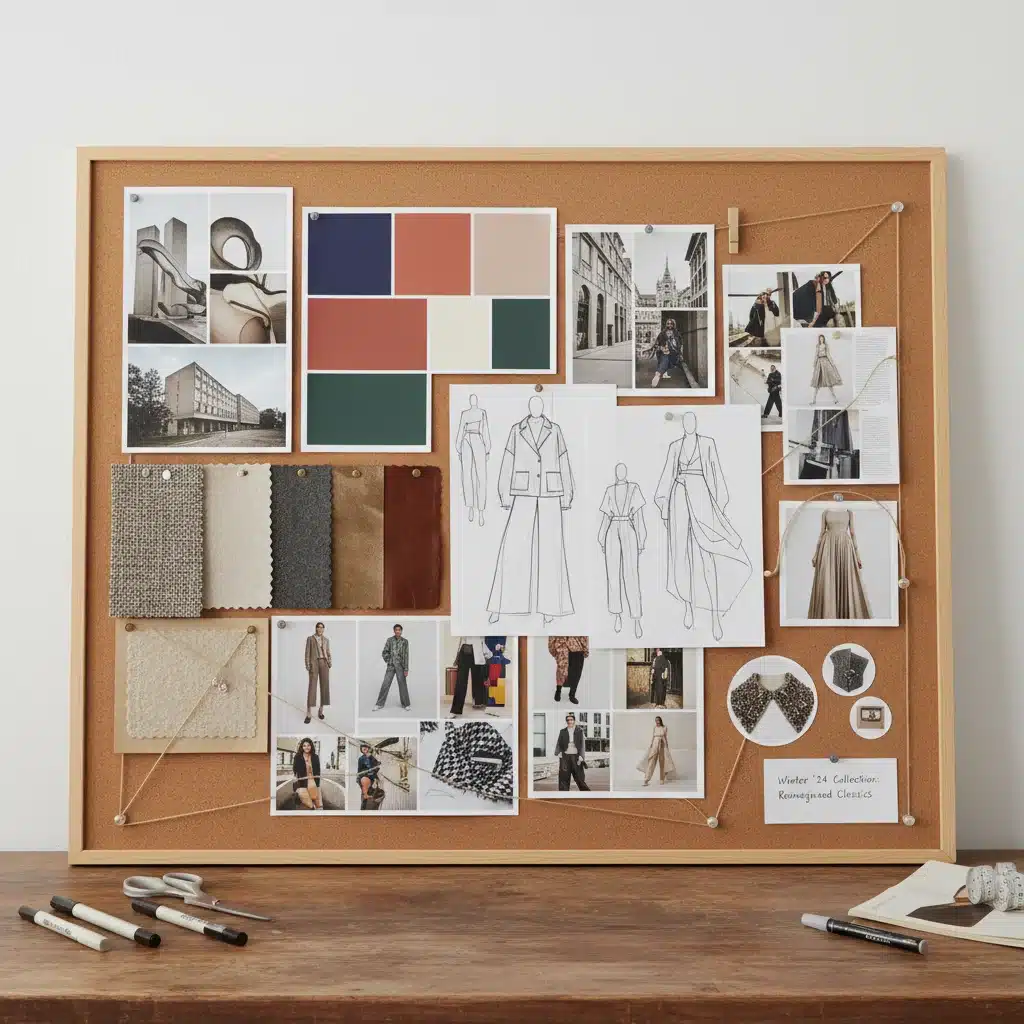
Begin brainstorming themes and concepts for your Fashion Week 2026 collection. This theme should be cohesive, innovative, and resonate with current fashion trends while maintaining your brand’s unique voice. Research current and future trends, but always filter them through your brand’s lens. This is where your creative genius shines.
3. Sketching and Design Prototyping
Translate your concepts into detailed sketches. Develop technical flats and create initial prototypes or muslins. This iterative process allows you to refine silhouettes, proportions, and fit before committing to final fabrics. Experiment with different materials and constructions to bring your vision to life.
4. Fabric and Trim Sourcing
Identify and source high-quality fabrics and trims that align with your collection’s theme and budget. Consider sustainability, ethical sourcing, and the practicalities of production. Building relationships with reliable suppliers is crucial. Early sourcing ensures you have the materials needed for timely production.
5. Building Your Core Team
A successful Fashion Week presentation is a team effort. Start identifying key personnel: pattern makers, sample makers, production managers, stylists, PR consultants, and marketing specialists. Even if you’re a small brand, having a reliable network of freelancers or contractors is essential. Delegate tasks effectively to manage the workload.
Phase 2: Production & Logistics (6-12 Months Out)
1. Pattern Making and Sample Creation
Work closely with skilled pattern makers to create precise patterns for each garment. Produce initial samples to test fit, construction, and overall aesthetic. Multiple rounds of revisions are often necessary to achieve perfection. This stage is critical for ensuring the quality and wearability of your designs.
2. Production Planning and Manufacturing
Develop a detailed production schedule. Decide whether you’ll produce in-house, work with local manufacturers, or outsource overseas. Factor in lead times, minimum order quantities, and quality control. Ensure your production capacity can meet potential demand after Fashion Week. This is a significant logistical hurdle for many emerging designers.
3. Budgeting and Fundraising
Fashion Week is expensive. Create a comprehensive budget that includes design, production, marketing, show production (venue, models, hair, makeup, styling), travel, and accommodation. Explore funding options: grants for emerging designers, crowdfunding, loans, or angel investors. Secure your finances well in advance to avoid last-minute stress. Careful financial planning is a cornerstone of successful Fashion Week Preparation.
4. Securing Your Show Slot/Presentation Format
Decide on your presentation format: a traditional runway show, a static presentation, a digital showcase, or a hybrid event. Apply for your desired slot and venue as early as possible, as prime locations and times fill up quickly. Understand the requirements and costs associated with each option.
5. Initial PR & Marketing Strategy
Even at this early stage, begin thinking about your PR and marketing strategy. Identify key fashion editors, stylists, bloggers, and influencers you want to target. Start building relationships. Develop preliminary press materials, including a brand story and high-level collection concept. Tease your upcoming collection on social media to build anticipation.
Phase 3: Pre-Show Hype & Execution (3-6 Months Out)
1. Finalizing the Collection & Styling
Complete all final samples and ensure every garment is perfect. Work with a stylist to create cohesive looks that tell your collection’s story. Consider accessories, footwear, and hair/makeup concepts that complement your designs. The styling plays a crucial role in how your collection is perceived.
2. Model Casting
Cast models who embody your brand’s aesthetic and can effectively showcase your designs. Consider diversity in all its forms. Work with casting directors or agencies to find the right faces for your show. Ensure models are available for fittings and rehearsals.
3. Show Production Details
Confirm all show production elements: lighting, sound, music, backstage crew, dressers, and security. Create a detailed run-of-show schedule. Conduct technical rehearsals to ensure a smooth flow on the day. Every detail contributes to the overall impact of your presentation.
4. Comprehensive PR & Marketing Blitz
Intensify your PR efforts. Send out press releases, lookbooks, and invitations to media, buyers, and influencers. Schedule interviews and features. Leverage social media with behind-the-scenes content, countdowns, and designer spotlights. Build a strong narrative around your brand and collection. This is where your efforts to maximize exposure truly kick into high gear.
5. Buyer Outreach & Sales Strategy
Identify key buyers and retailers that align with your brand. Prepare a strong line sheet, pricing structure, and terms of sale. Schedule appointments for post-show showroom visits or virtual meetings. Develop a clear sales strategy for how you will convert exposure into orders. This is a critical component for emerging US designers aiming for commercial success.
Phase 4: The Week Of & Show Day (1 Week – Day Of)
1. Final Fittings & Rehearsals
Conduct final fittings with all models. Hold full dress rehearsals to iron out any last-minute issues with styling, pacing, and transitions. Ensure every model knows their cues and walk. Precision is key to a flawless presentation.
2. Backstage Management & Organization
Assign clear roles and responsibilities to your backstage team. Organize garments, accessories, hair, and makeup stations efficiently. Maintain a calm and professional atmosphere. A well-managed backstage ensures a smooth and stress-free show.
3. Media & VIP Management
Ensure a dedicated team member is responsible for greeting and assisting media, VIPs, and key buyers. Provide them with press kits and answer any questions. Make sure they have optimal seating or viewing positions. Personal touches go a long way in building relationships.
4. Social Media Live Coverage
Designate someone to provide live updates, photos, and videos from backstage and the runway on your brand’s social media channels. Engage with your audience in real-time. Use relevant hashtags to expand your reach. This extends your Fashion Week Preparation beyond the physical event.
5. The Show Itself
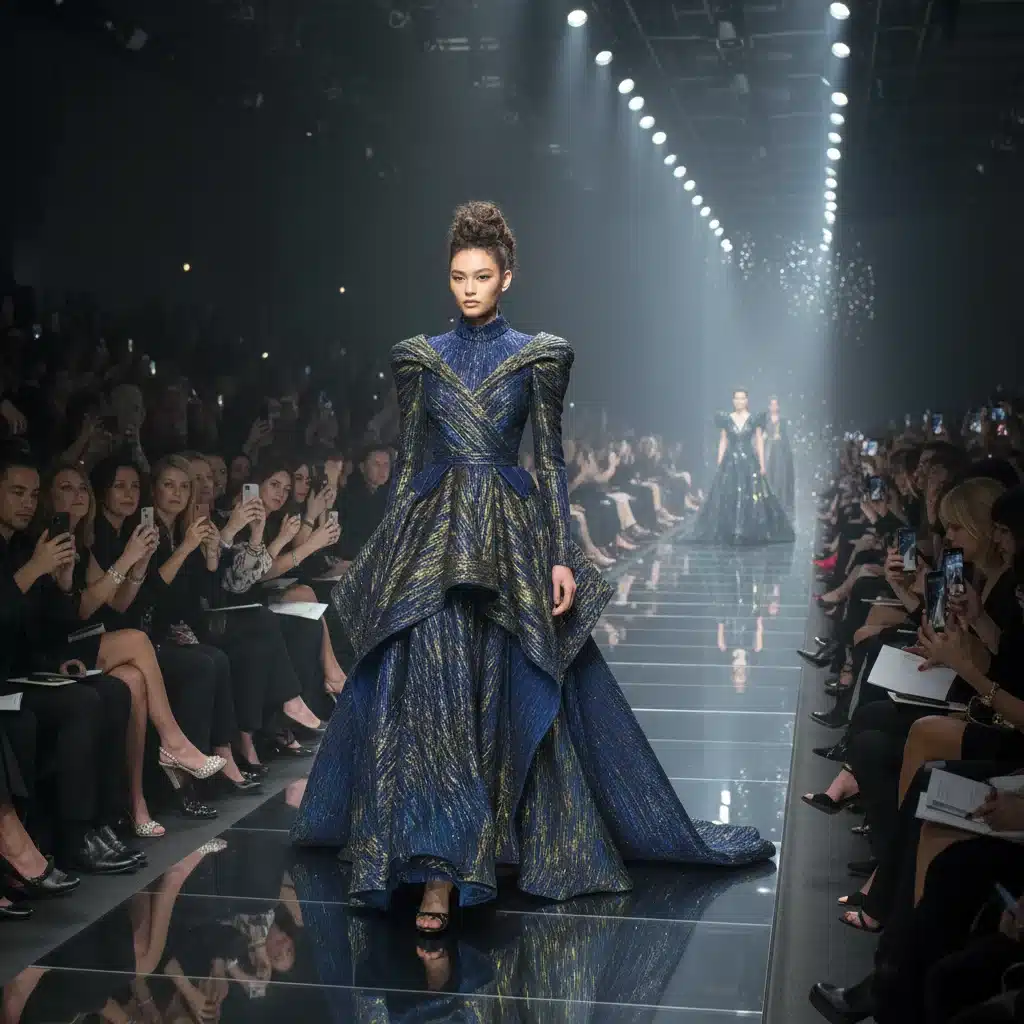
Breathe. Take a moment to appreciate the culmination of your hard work. Oversee the show, but trust your team to execute. Be present and enjoy the moment you’ve worked so hard for. This is your moment to shine and showcase your vision to the world.
Phase 5: Post-Fashion Week Momentum (Immediately After – 3 Months Post-Show)
1. Immediate Follow-Up with Media & Buyers
Send personalized thank-you notes and digital press kits to all attending media, buyers, and influencers within 24-48 hours. Follow up on any inquiries or expressed interest. Timely communication is crucial for capitalizing on post-show buzz. This is where the initial seeds of exposure begin to blossom into tangible results.
2. Showroom Appointments & Sales Meetings
Host showroom appointments or virtual meetings with buyers to present your collection in detail and secure orders. Be prepared to discuss production timelines, delivery schedules, and payment terms. Negotiate effectively to achieve favorable outcomes for your brand.
3. Press & Media Monitoring
Actively monitor press coverage and social media mentions. Collect all features, reviews, and images. Share positive coverage across your platforms. This not only validates your efforts but also provides valuable content for future marketing. Understanding your media impact is a key part of your Fashion Week Preparation strategy.
4. Analyze Performance & Gather Feedback
Evaluate the success of your Fashion Week presentation. What worked well? What could be improved? Gather feedback from your team, industry contacts, and even your audience. Use this data to inform your strategies for future collections and presentations. Continuous improvement is vital for emerging designers.
5. Update Website & E-commerce
Update your website with professional runway images, lookbooks, and any new press features. Ensure your e-commerce platform is ready to handle increased traffic and potential sales. Make it easy for customers to purchase or pre-order items from your new collection. A seamless online experience is crucial for converting interest into sales.
6. Nurture Relationships
Continue to build and nurture relationships with media, buyers, stylists, and industry professionals. Attend industry events, send updates, and maintain a professional network. These connections are invaluable for long-term brand growth and sustained exposure. Networking is an ongoing process, not just a pre-show activity.
7. Plan for Future Collections
Even as you wrap up one Fashion Week cycle, begin conceptualizing your next collection. The fashion calendar moves quickly, and staying ahead of the curve is essential. Apply lessons learned from your recent experience to make your next presentation even stronger. This forward-thinking approach is critical for the longevity of emerging US designers.
Key Takeaways for Maximizing Exposure and Sales
The journey to Fashion Week 2026 is arduous but incredibly rewarding for emerging US designers. By following this comprehensive checklist, you significantly increase your chances of maximizing exposure and driving crucial sales. Remember these core principles:
- Start Early: Procrastination is your biggest enemy. Begin your Fashion Week Preparation as far in advance as possible.
- Be Strategic: Every decision, from design to marketing, should align with your brand’s vision and business goals.
- Build a Strong Team: You cannot do it alone. Surround yourself with talented and trustworthy individuals.
- Budget Wisely: Fashion Week is a significant investment. Plan your finances meticulously and explore all funding options.
- Tell a Compelling Story: Your collection should convey a clear narrative that resonates with your audience and the industry.
- Prioritize PR & Marketing: Effective communication is paramount for generating buzz and attracting attention.
- Focus on Sales: Exposure is great, but ultimately, commercial success drives sustainability. Have a clear sales strategy.
- Follow Through: The work doesn’t end when the lights go down. Diligent follow-up is crucial for converting interest into tangible results.
- Learn and Adapt: Treat each Fashion Week as a learning experience. Analyze your performance and continuously refine your approach.
Fashion Week 2026 presents a golden opportunity for emerging US designers. With meticulous Fashion Week Preparation, a clear vision, and unwavering determination, you can leverage this platform to achieve unprecedented exposure, secure vital sales, and firmly establish your brand within the competitive global fashion landscape. The runway awaits your unique vision; make it count.