Sneaker Trends 2026: Future of Footwear and Street Style
The Evolution of Sneakers: What 2026 Holds for Footwear in Street Style
The world of sneakers is a dynamic, ever-evolving landscape, a microcosm of innovation, culture, and personal expression. Far from being mere athletic gear, sneakers have ascended to the pinnacle of fashion, becoming essential elements of street style and high-end couture alike. As we hurtle towards 2026, the question on every fashion enthusiast’s mind is: What will the future sneaker trends look like? How will technology, sustainability, and shifting cultural narratives reshape the footwear we covet?
This comprehensive exploration delves deep into the anticipated future sneaker trends, offering a glimpse into the materials, designs, and philosophies that will define our feet in the coming years. From hyper-personalized designs to eco-conscious manufacturing and the integration of cutting-edge tech, 2026 promises a revolution in how we perceive, purchase, and wear our beloved kicks. Understanding these future sneaker trends is not just about staying fashionable; it’s about recognizing the broader societal shifts that influence our choices and lifestyles.
The Dawn of Hyper-Personalization: Tailored Kicks for Every Foot
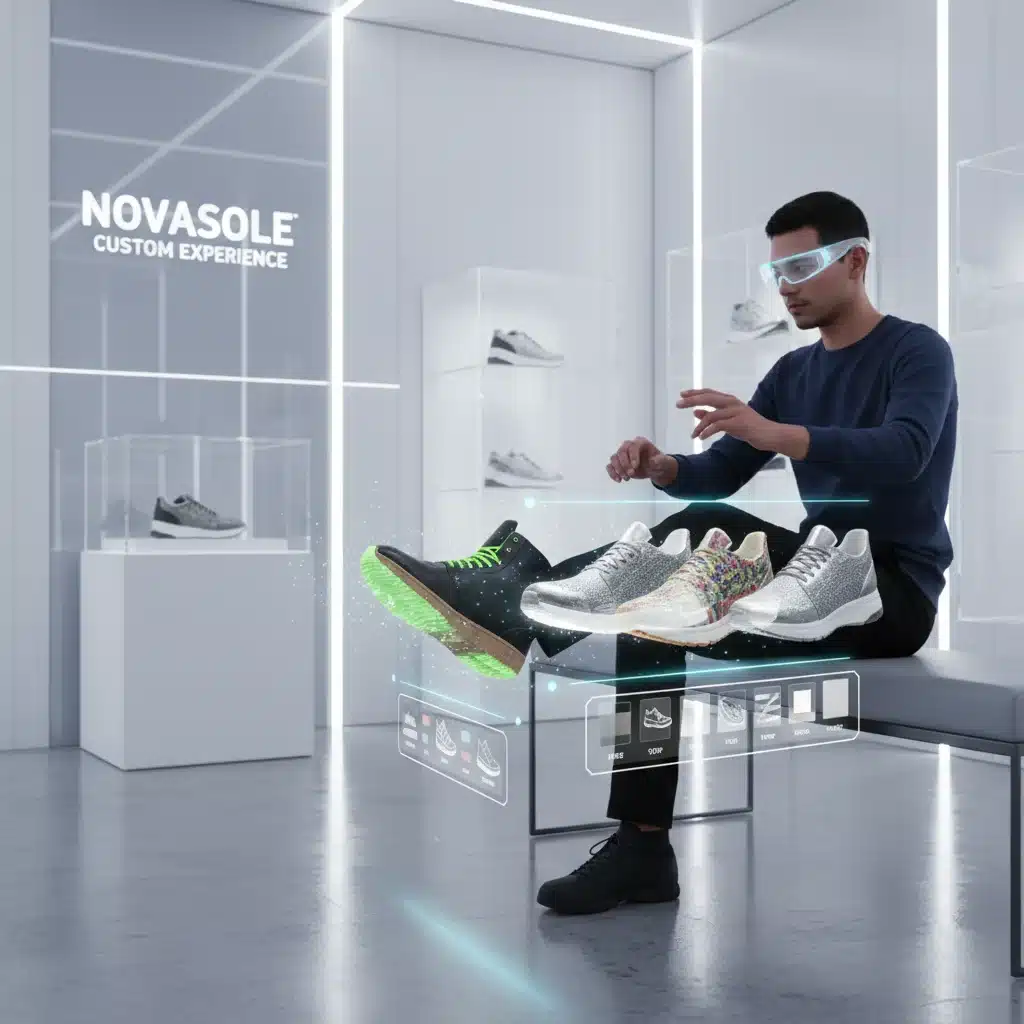
One of the most significant future sneaker trends we anticipate for 2026 is the widespread adoption of hyper-personalization. Gone are the days of limited colorways and standardized fits. The future of footwear will be about individual expression taken to an unprecedented level. Imagine walking into a store, having your foot scanned in 3D, and then designing a sneaker that not only perfectly molds to your unique foot shape but also reflects your exact aesthetic preferences.
This isn’t just about choosing colors; it’s about selecting materials, textures, sole stiffness, and even the type of cushioning. Advanced manufacturing techniques like 3D printing and robotic assembly will make this level of customization economically viable for a broader market. Brands will offer modular components, allowing consumers to swap out parts of their sneakers to adapt to different activities, seasons, or moods. This shift towards personalized footwear will foster a deeper connection between the consumer and their shoes, transforming a mass-produced item into a truly bespoke product. The emphasis will be on creating a unique identity through footwear, moving beyond brand loyalty to personal brand creation.
The implications for street style are immense. Instead of following trends set by designers, individuals will become their own trendsetters, creating truly original looks from the ground up. This will lead to a richer, more diverse street style landscape, where every pair of sneakers tells a personal story. The challenge for brands will be to provide the tools and platforms that empower this creativity while maintaining quality and brand integrity. Expect to see interactive design kiosks, AI-powered style advisors, and virtual try-on experiences becoming commonplace, all contributing to the rise of hyper-personalized future sneaker trends.
Sustainability Takes Center Stage: Eco-Conscious Footwear Innovations
The environmental crisis is no longer a distant threat; it’s a present reality, and the fashion industry, particularly footwear, is under increasing pressure to adopt sustainable practices. By 2026, sustainability will not just be a niche concern but a core pillar of future sneaker trends. Consumers are becoming more educated and demanding about the origins and environmental impact of their purchases, driving brands to innovate at an unprecedented pace.
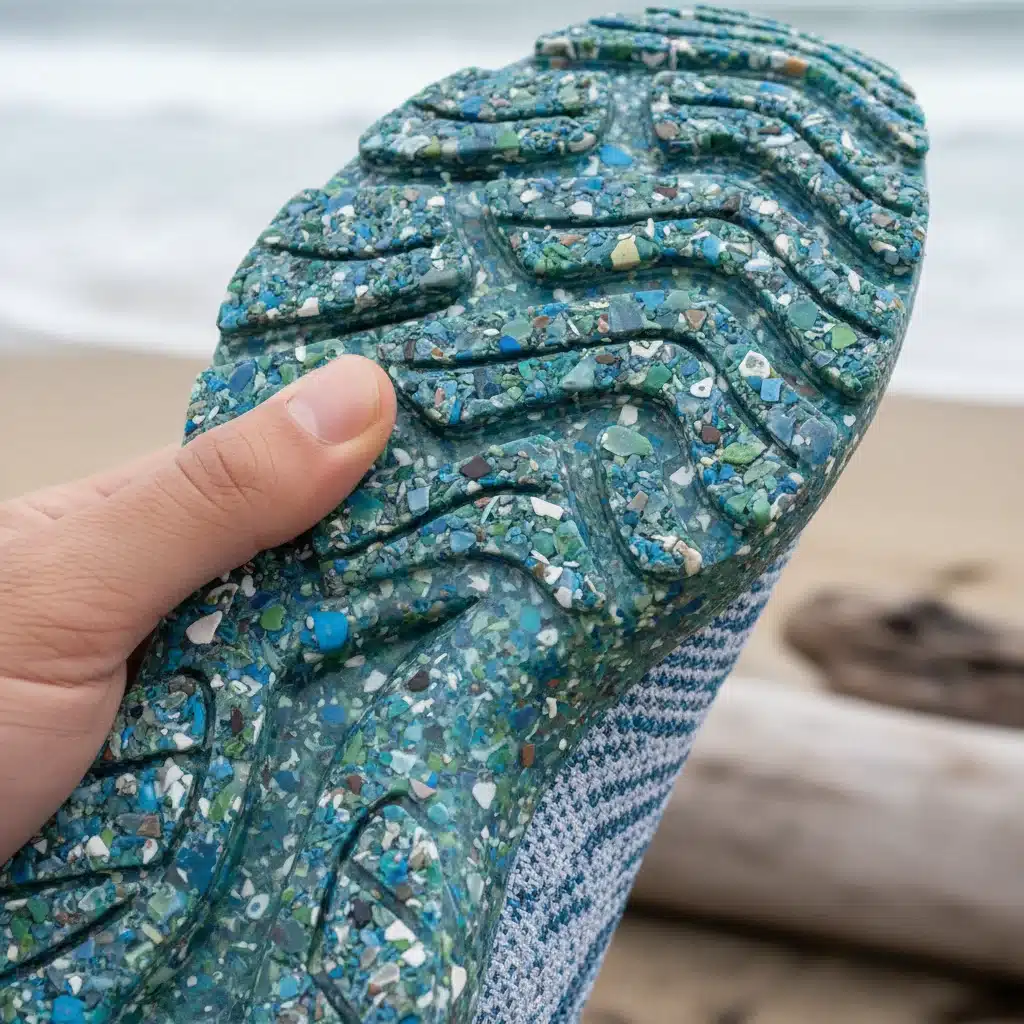
Expect to see a proliferation of sneakers made from recycled materials, bio-based polymers, and even lab-grown components. Ocean plastics, agricultural waste, mushroom leathers, and algae-derived foams will become common raw materials. The focus will extend beyond just the materials to the entire lifecycle of a sneaker, from design and manufacturing to packaging, distribution, and end-of-life solutions. Brands will invest heavily in circular economy models, offering repair services, take-back programs, and even subscription models where sneakers are leased and then recycled or upcycled.
Transparency will be key. Consumers will demand to know the carbon footprint of their sneakers, the ethical conditions of their production, and the recyclability of each component. Blockchain technology could play a role in providing immutable records of a sneaker’s journey from raw material to retail shelf. This commitment to sustainability will not compromise style or performance; in fact, it will drive new aesthetic expressions. Biodegradable dyes, natural textures, and innovative construction methods that minimize waste will define the look of eco-conscious footwear. The future sneaker trends will prove that fashion can be both responsible and revolutionary.
Circular Economy Models: Beyond Recycling
The shift towards a circular economy in footwear goes beyond simply using recycled materials. It’s about designing products that can be disassembled, repaired, and repurposed, minimizing waste and maximizing resource efficiency. In 2026, we’ll see more brands embracing modular designs, where components like soles or uppers can be easily replaced, extending the lifespan of the shoe. Take-back programs will become standard, with incentives for consumers to return their worn-out sneakers for proper recycling or upcycling. Some innovative brands might even offer subscription services where you lease sneakers, and once they’re worn, they are returned, refurbished, or broken down for new production. This model not only reduces waste but also makes high-quality, sustainable footwear more accessible. These future sneaker trends emphasize long-term value over fast fashion disposability.
The Tech-Infused Foot: Smart Sneakers and Performance Enhancement
Technology has been steadily integrating into footwear, and by 2026, smart sneakers will move from novelty to mainstream. These aren’t just activity trackers; they are sophisticated devices designed to enhance performance, comfort, and even health. Imagine sneakers with self-lacing mechanisms that adapt to your foot’s swelling throughout the day, or soles that dynamically adjust cushioning based on your gait and terrain.
Sensors embedded within the shoe will provide real-time data on gait analysis, pressure distribution, and impact absorption, offering personalized insights for athletes and casual wearers alike. This data can be used to prevent injuries, optimize training, and even correct posture. Haptic feedback systems could guide runners to maintain proper form or alert them to hazards. Connectivity with other smart devices and AI-powered coaching apps will create a holistic wellness ecosystem centered around your feet.
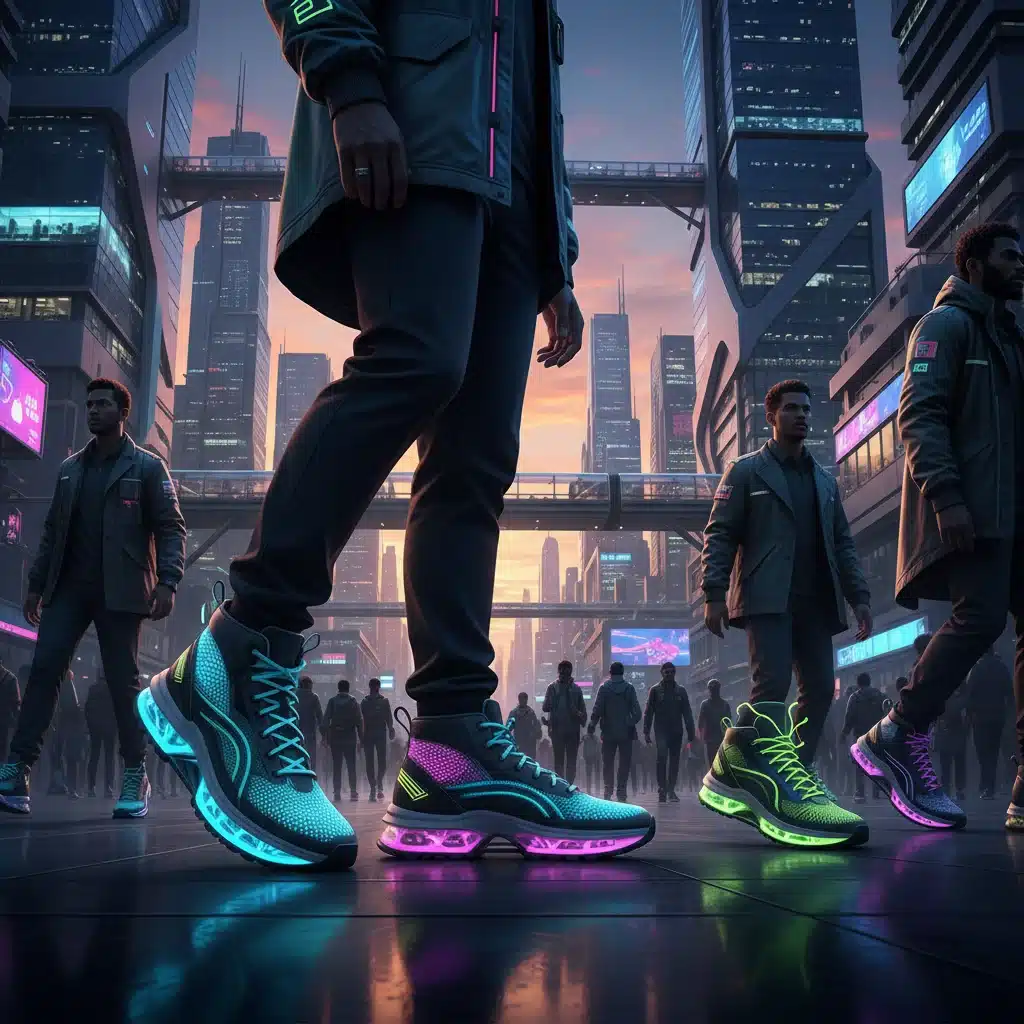
Beyond performance, technology will also drive aesthetic innovation. Flexible LED displays integrated into the shoe’s upper could allow for dynamic customization of patterns and colors, controlled via a smartphone app. Imagine your sneakers changing design to match your outfit or mood at the touch of a button. Augmented reality (AR) will play a role in virtual try-ons and interactive shopping experiences, allowing consumers to visualize how different sneakers look and feel before purchase. These technological advancements are not just about gadgets; they are about creating a more intuitive, responsive, and personalized footwear experience, defining a significant aspect of future sneaker trends.
Health Monitoring and Biometric Feedback
The integration of health monitoring into sneakers will be a significant leap. Imagine shoes that can track not just your steps and calories, but also your heart rate, blood oxygen levels, and even early indicators of fatigue or injury risk. Pressure sensors within the insole could detect irregularities in gait that might signal an impending issue, prompting users to consult a professional. For athletes, this data will be invaluable for optimizing training regimens and preventing overtraining. For the general public, it offers a discreet and convenient way to monitor overall health and well-being. This convergence of fashion, technology, and health will be a defining characteristic of future sneaker trends, making our footwear not just stylish but also truly smart companions.
The Blurring Lines: Fashion, Function, and Gender Fluidity
The traditional boundaries between athletic performance shoes, casual lifestyle sneakers, and high-fashion footwear are increasingly blurring. By 2026, this fluidity will be even more pronounced, impacting future sneaker trends significantly. Designers will continue to draw inspiration from diverse sources, creating hybrid models that offer the comfort and technology of a running shoe with the aesthetic appeal of a designer piece. This means sneakers suitable for both a morning jog and a sophisticated evening event, reflecting a more dynamic and less compartmentalized approach to daily life.
Furthermore, gender-neutral designs will become the norm rather than the exception. The fashion industry is moving away from strict gender binaries, and footwear will follow suit. Brands will offer wider size ranges and design aesthetics that appeal to all, focusing on universal appeal and individual choice rather than traditional gender roles. This inclusivity will open up new creative avenues for designers and provide consumers with a broader spectrum of options, fostering a more diverse and expressive street style culture. The emphasis will be on personal style and comfort, unconstrained by conventional labels.
The rise of the “gorpcore” aesthetic, which blends outdoor utility wear with urban fashion, is a precursor to this trend. Expect more technical features, durable materials, and functional designs to appear in everyday sneakers, making them suitable for a wider range of activities and environments. This blend of form and function will redefine what constitutes a fashionable sneaker, making versatility a key characteristic of future sneaker trends.
The Influence of Digital Fashion and the Metaverse
The digital realm will also exert a powerful influence on future sneaker trends. Digital fashion, including virtual sneakers for avatars in the metaverse, will become a significant market. Brands will launch digital-only collections, and owning a digital twin of a physical sneaker will be a status symbol. This digital presence will not only serve as a marketing tool but also as a testing ground for new designs and materials before they hit the physical market. NFTs (Non-Fungible Tokens) will likely play a role in authenticating limited-edition sneakers, both physical and digital, adding another layer of value and collectibility. The interaction between the physical and digital sneaker worlds will create new avenues for creativity, commerce, and community, further shaping the future sneaker trends.
Material Innovation: Beyond Traditional Leathers and Synthetics
The quest for sustainability and performance is driving unprecedented innovation in material science. By 2026, the palette of materials available for sneaker construction will be vastly expanded and more diverse than ever. We’ve already touched upon recycled and bio-based materials, but the innovation goes deeper. Expect to see advanced composites that offer superior strength-to-weight ratios, self-healing materials that repair minor scuffs and tears, and temperature-regulating fabrics that adapt to environmental conditions for optimal comfort.
New forms of knitting and weaving technologies will allow for seamless uppers that are both supportive and breathable, reducing waste in the manufacturing process. Materials with embedded functionalities, such as antimicrobial properties or moisture-wicking capabilities, will become standard. The focus will be on creating materials that are not only high-performing and eco-friendly but also offer unique tactile and visual qualities, pushing the boundaries of sneaker aesthetics. These material advancements are fundamental to the evolution of future sneaker trends.
Furthermore, the development of smart textiles will enable sneakers to offer adaptive support and cushioning. Imagine materials that stiffen or soften based on the type of activity or the wearer’s movements, providing dynamic stability and comfort. This level of material intelligence will revolutionize both athletic performance and everyday wear, making sneakers more responsive and intuitive than ever before. The future sneaker trends will be defined as much by what they are made of as by how they look.
The Rise of Lab-Grown Materials
Lab-grown materials, such as synthetic spider silk or cultured leather, represent a revolutionary step in sustainable and ethical footwear production. These materials can be engineered to possess specific properties—like extreme strength, lightness, or breathability—without the environmental impact associated with traditional material sourcing. By 2026, we anticipate these lab-grown innovations becoming more cost-effective and scalable, allowing them to enter the mainstream sneaker market. This not only offers a cruelty-free alternative to animal products but also enables designers to work with materials that have unprecedented performance characteristics, pushing the boundaries of what’s possible in sneaker design and contributing significantly to future sneaker trends.
The Resurgence of Retro and the Power of Nostalgia
While innovation drives the future, the past will continue to exert a powerful influence on future sneaker trends. The cyclical nature of fashion ensures that retro styles will always find their way back into vogue, often reinterpreted with modern materials and technologies. By 2026, expect a strong resurgence of iconic silhouettes from the 80s, 90s, and early 2000s, but with a twist.
Brands will leverage their archives, bringing back beloved designs but upgrading them with sustainable components, enhanced cushioning, and lighter constructions. This fusion of nostalgia and novelty will appeal to both seasoned collectors and new generations discovering these classics for the first time. The power of storytelling associated with these retro models will be amplified, celebrating their cultural significance while simultaneously pushing them into the future. This blend of old and new will create a rich tapestry of styles on the streets, ensuring that future sneaker trends are as diverse as they are dynamic.
The cultural cachet of vintage sneakers, often seen as a badge of authenticity and deep appreciation for sneaker history, will be integrated into contemporary designs. This means not just re-releases, but also new models that subtly incorporate design cues and philosophies from past eras. The emphasis will be on timeless design principles combined with future-forward execution, creating sneakers that feel both familiar and utterly new. This interplay between heritage and innovation will be a defining characteristic of future sneaker trends.
Conclusion: Stepping into the Future with Confidence
The future of sneakers in 2026 is poised to be an exhilarating blend of groundbreaking technology, profound sustainability, and hyper-personalized expression. From shoes that adapt to your body and environment to designs that empower individual creativity and production methods that respect our planet, the evolution of footwear is accelerating. The future sneaker trends will not just be about what’s new and flashy, but about what’s meaningful, responsible, and uniquely tailored to each individual.
As consumers, our choices will continue to shape this landscape, driving brands towards more ethical, innovative, and inclusive practices. The sneakers of tomorrow will be more than just items of clothing; they will be extensions of ourselves, reflections of our values, and tools that enhance our lives in myriad ways. So, as we look ahead, prepare to step into a future where your feet are not just well-shod, but intelligently supported, sustainably adorned, and utterly unique. The journey of future sneaker trends promises to be as exciting as the destination itself.