Gender-Fluid High Fashion 2026: American Designers Leading the Way
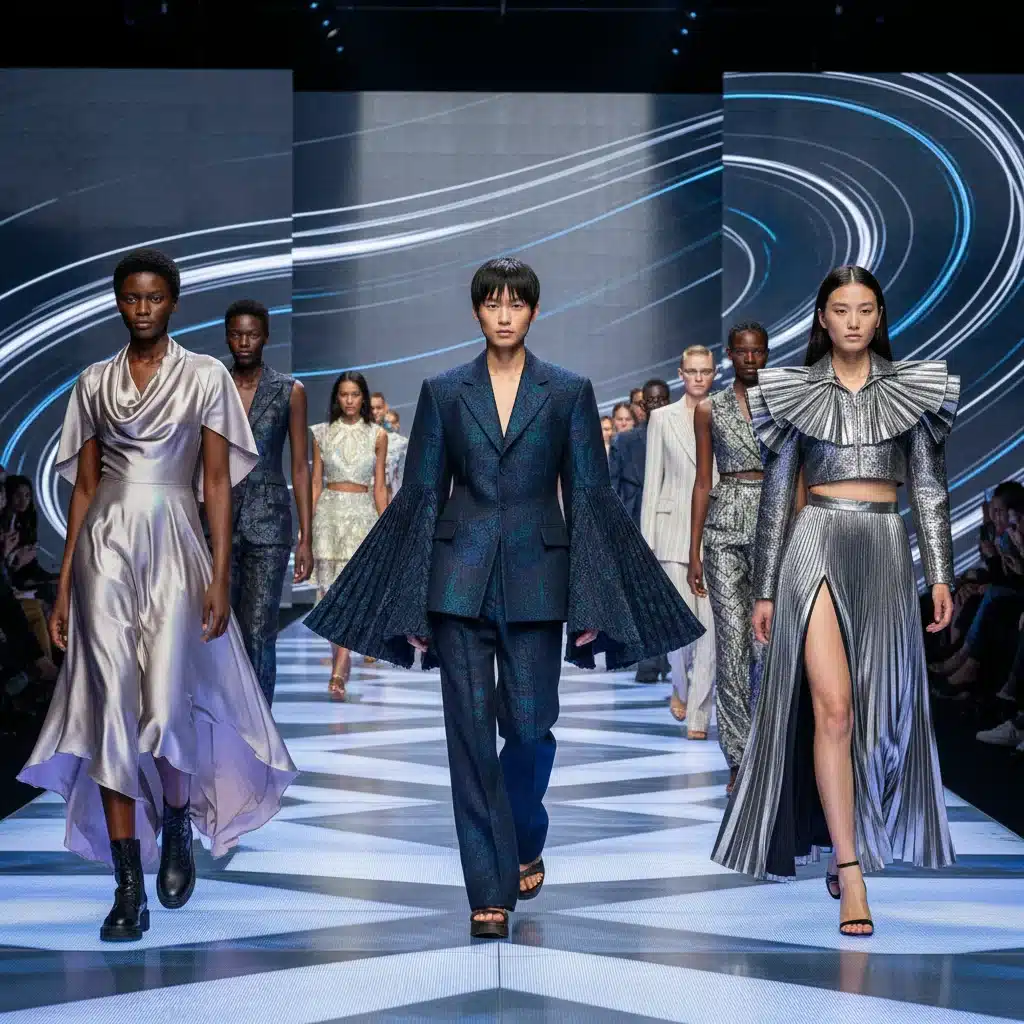
The fashion world is in a constant state of flux, mirroring societal shifts and evolving identities. As we approach 2026, one of the most compelling and transformative movements is the undeniable rise of gender-fluid high fashion. This isn’t merely a trend; it’s a profound redefinition of luxury, style, and self-expression, with American designers at the forefront of this revolutionary wave. For decades, fashion has been rigidly compartmentalized, dictating what men and women ‘should’ wear. However, the modern consumer, increasingly aware and expressive of diverse identities, demands more. They seek clothing that transcends traditional gender binaries, allowing for authentic self-expression. High fashion, with its inherent power to set benchmarks and influence broader trends, has embraced this demand, leading to an exciting era of innovation and inclusivity.
American designers, often lauded for their pragmatic approach mixed with a flair for the dramatic, are uniquely positioned to champion this movement. Their design ethos frequently blends commercial viability with artistic vision, making them adept at translating complex societal conversations into wearable, desirable collections. This article will delve deep into the landscape of gender-fluid high fashion in 2026, exploring the driving forces behind its ascent, the pioneering American designers shaping its future, the key aesthetic characteristics, and its broader cultural impact. We will examine how this movement is not just changing what we wear, but how we perceive identity, luxury, and the very essence of style.
The Evolution of Gender in Fashion: A Historical Context Leading to 2026
To truly appreciate the current ascent of gender-fluid high fashion, it’s crucial to understand its historical roots. While the concept might seem contemporary, the blurring of gender lines in attire has appeared throughout history. From ancient civilizations where tunics were universal to the rococo era’s elaborate menswear, rigid gendered clothing is a relatively modern construct, solidified largely in the 19th and 20th centuries. The 20th century saw the gradual chipping away of these boundaries. Women adopting trousers in the early 1900s, the unisex movements of the 1960s and 70s, and the grunge aesthetic of the 1990s all laid groundwork. However, these were often about women adopting ‘masculine’ styles or subcultures challenging norms, rather than a holistic re-imagining of clothing for all genders.
The 21st century brought an accelerated conversation around gender identity, particularly with the rise of LGBTQ+ rights movements and increased visibility for non-binary and gender non-conforming individuals. Social media platforms amplified these voices, creating communities and fostering dialogue that extended into mainstream culture. Fashion, ever a mirror of society, began to respond. Initially, this response was often seen in streetwear and avant-garde niches, but by the mid-2020s, high fashion could no longer ignore the demand for inclusivity and authenticity. The idea that clothing should be dictated by one’s assigned sex at birth began to feel archaic and restrictive. Consumers, especially younger generations, started demanding collections that reflected their diverse identities and fluid expressions. This cultural shift is the bedrock upon which gender-fluid high fashion has firmly established itself as a dominant force in 2026.
Defining Gender-Fluid High Fashion in 2026
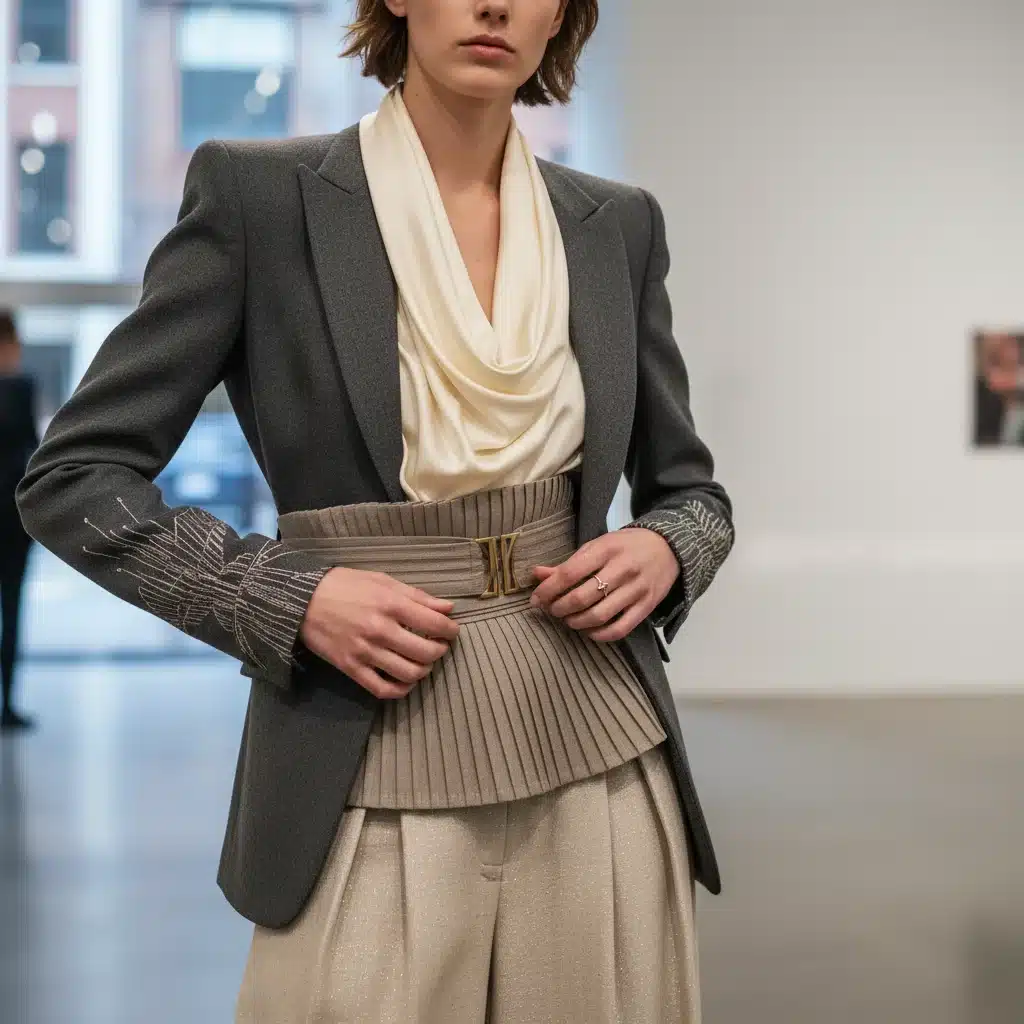
What exactly defines gender-fluid high fashion in 2026? It’s more than just oversized garments or unisex t-shirts. It’s a sophisticated design philosophy that consciously deconstructs traditional gendered aesthetics, creating pieces that are inherently versatile and appealing across the gender spectrum. This involves a deliberate choice in silhouettes, fabrics, and detailing. Silhouettes often move away from exaggerated hourglass figures or broad shoulders, instead favoring more architectural forms, flowing drapery, or adaptable layering that can be styled in multiple ways. Think of impeccably tailored suits with softened lines, voluminous skirts that can be worn by anyone, or avant-garde outerwear that defies categorization.
Fabrics play a crucial role. Designers are experimenting with a wider range of textures and weights, moving beyond the conventional ‘masculine’ heavy wools and ‘feminine’ silks. We see a blend of traditionally robust materials with delicate ones, creating a sensory experience that challenges preconceived notions. Color palettes are also evolving, expanding beyond gender-assigned hues to embrace a spectrum of vibrant, muted, and neutral tones that resonate universally. Moreover, the fit is often key. It’s not about being shapeless, but about offering a fit that respects diverse body types and allows for individual interpretation, rather than conforming to a singular ideal. The essence of gender-fluid high fashion is empowerment through choice, allowing the wearer to define the garment, rather than the garment defining the wearer’s gender.
American Designers: Pioneers of the Gender-Fluid Movement
The United States has long been a melting pot of cultures and ideas, fostering an environment ripe for innovation. American designers, with their characteristic blend of pragmatism, creativity, and an ear to the ground for social shifts, have become pivotal in advancing gender-fluid high fashion. Unlike some European houses with centuries of tradition, American brands often have a younger, more adaptable spirit, making them quicker to embrace and integrate new concepts.
The Visionaries: Established Names Redefining Their Brands
Many established American luxury brands, recognizing the changing tides, have begun to subtly or overtly integrate gender-fluid elements into their collections. They are re-evaluating their heritage, stripping away antiquated gendered notions while retaining their brand identity. We see iconic houses introducing collections with more ambiguous tailoring, less restrictive fabrics, and campaigns featuring diverse models who embody a spectrum of gender expressions. This strategic pivot ensures their relevance and appeal to a new generation of luxury consumers who prioritize authenticity and inclusivity.
For example, some New York-based designers known for classic American sportswear are now offering modular wardrobes where pieces can be mixed and matched irrespective of gender. Their approach is often about subtle shifts – a slightly wider shoulder on a blazer, a more relaxed cut in a pair of trousers, or a tunic that works equally well over a skirt or pants. This ‘soft’ approach to gender fluidity makes it accessible to a broader audience, demonstrating that gender-fluid high fashion doesn’t always have to be overtly avant-garde; it can be elegant, sophisticated, and seamlessly integrated into a modern luxury lifestyle.
The Innovators: Emerging Designers Pushing Boundaries
Perhaps the most exciting developments in gender-fluid high fashion are coming from a new guard of American designers. These independent labels and young creatives are often unburdened by legacy, allowing them to experiment freely and build their brands from the ground up with gender fluidity as a core tenet. They are not adapting existing frameworks but creating entirely new ones.
These designers often leverage digital platforms to connect directly with their audience, building communities around shared values of inclusivity and self-expression. Their collections frequently feature unconventional materials, experimental silhouettes, and a strong narrative that champions individuality. They are less concerned with traditional ‘men’s’ or ‘women’s’ departments and more focused on creating truly universal garments. Their runway shows and lookbooks are powerful statements, showcasing models of all genders, body types, and ethnicities, further reinforcing the inclusive message of gender-fluid high fashion.
These emerging voices are not just designing clothes; they are designing a future where fashion is truly liberating. They challenge the industry to think beyond binary divisions, proving that luxury and high art can be accessible and representative of everyone. Their influence is significant, pushing larger, more established brands to accelerate their adoption of gender-fluid principles.
Key Aesthetic Characteristics of Gender-Fluid High Fashion in 2026
- Modular and Transformable Designs: Pieces that can be worn in multiple ways, adapted to different body shapes, or styled to create distinct looks. Think detachable elements, adjustable waistlines, and versatile layering pieces.
- Architectural Silhouettes: Strong, sculptural forms that de-emphasize traditional gendered curves, focusing instead on volume, line, and shape. Capes, oversized coats, and wide-leg trousers are prevalent.
- Luxurious, Textured Fabrics: A sophisticated interplay of materials like sustainable silks, organic cottons, innovative vegan leathers, and technical fabrics. The emphasis is on quality, comfort, and tactile appeal, transcending conventional fabric associations with gender.
- Neutral and Earthy Palettes with Strategic Color Pops: While often grounded in a sophisticated array of neutrals (grays, beiges, creams, blacks), collections frequently feature unexpected bursts of vibrant color or metallic accents, used strategically to add intrigue rather than define gender.
- Deconstructed Tailoring: Traditional tailoring is re-imagined. Blazers might feature softened shoulders, trousers have fluid drapes, and vests are worn over bare skin or delicate blouses, blurring the lines between formal and casual, masculine and feminine.
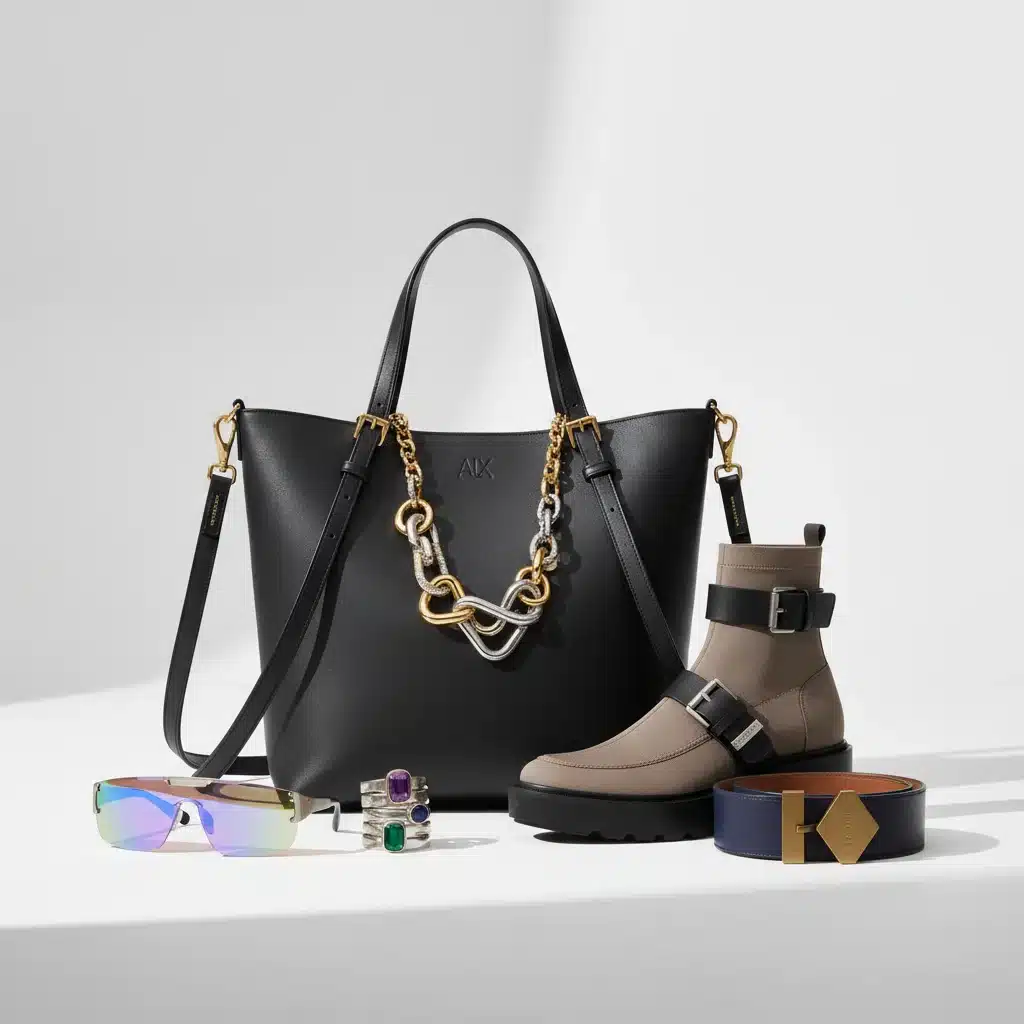
- Focus on Craftsmanship and Details: High fashion, by definition, implies meticulous attention to detail. In gender-fluid collections, this translates to exquisite finishes, unexpected closures, and subtle embellishments that add a touch of luxury without being overtly gendered.
The Business and Cultural Impact of Gender-Fluid High Fashion
The rise of gender-fluid high fashion is not just an aesthetic shift; it carries significant business and cultural implications. From a business perspective, it opens up new market segments and expands the potential customer base. Brands that embrace gender fluidity are seen as progressive, inclusive, and forward-thinking, which resonates strongly with Gen Z and millennial consumers who prioritize ethical and socially conscious brands. This translates into increased brand loyalty and market share.
Retail environments are also adapting. We’re seeing more gender-neutral shopping spaces, online platforms with non-binary filters, and styling services that focus on individual expression rather than prescribed gender roles. The traditional ‘men’s’ and ‘women’s’ sections in department stores are slowly being challenged, paving the way for more integrated and intuitive shopping experiences. This shift is crucial for fully capitalizing on the potential of gender-fluid high fashion.
Culturally, this movement is profoundly impactful. It challenges rigid societal norms around gender, encouraging a more expansive understanding of identity and expression. By dismantling fashion’s binary, it contributes to a broader conversation about inclusivity, acceptance, and the freedom to be oneself. When high fashion, a powerful cultural arbiter, champions gender fluidity, it sends a strong message that resonates far beyond the runway. It empowers individuals to express their authentic selves without fear of judgment, fostering a more tolerant and diverse society. This influence trickles down to mainstream fashion, gradually normalizing gender-fluid styles for everyone.
Challenges and the Road Ahead for Gender-Fluid High Fashion
While the momentum for gender-fluid high fashion is strong, challenges remain. One significant hurdle is the continued need for education and awareness. Not all consumers or retailers are fully on board, and there can be resistance to change, particularly from more conservative segments of the market. Communicating the value and aesthetic appeal of gender-fluid designs without alienating traditional customers is a delicate balance.
Another challenge lies in production and sizing. Developing sizing systems that truly cater to a diverse range of body types, rather than just scaling up or down traditional ‘male’ or ‘female’ patterns, requires significant investment and innovation. Brands need to invest in research and development to ensure their gender-fluid collections are truly inclusive in fit and comfort for everyone. This is where technical expertise meets artistic vision, and American designers are actively working on these solutions.
Despite these challenges, the future of gender-fluid high fashion looks incredibly bright. The movement is gaining irreversible traction, driven by consumer demand and the visionary work of designers. We can expect to see even greater experimentation with materials, technology, and presentation. Digital fashion and the metaverse also offer exciting new avenues for gender-fluid expression, where physical constraints are entirely removed, allowing for limitless creativity. As societal conversations around gender continue to evolve, so too will fashion, becoming an increasingly powerful tool for self-definition and social change.
Conclusion: The Enduring Legacy of Gender-Fluid High Fashion
The rise of gender-fluid high fashion by 2026 is more than a fleeting moment in the sartorial spotlight; it represents a fundamental paradigm shift in how we conceive of clothing, identity, and luxury. American designers, with their blend of innovation, commercial acumen, and keen awareness of cultural currents, are playing a crucial role in spearheading this transformation. They are not merely creating garments; they are crafting narratives of inclusivity, challenging antiquated norms, and empowering individuals to express their truest selves through style.
This movement is reshaping the entire fashion ecosystem, from design and production to retail and marketing. It demands a more thoughtful, empathetic, and expansive approach to creation, one that prioritizes authenticity and celebrates diversity. As we look ahead, the legacy of gender-fluid high fashion will undoubtedly be its profound contribution to a more open, accepting, and creatively boundless world of style. It’s a testament to fashion’s power not just to adorn, but to reflect, influence, and ultimately, liberate.
The journey towards full gender fluidity in fashion is ongoing, but 2026 marks a pivotal moment where it has moved from the fringes to the very heart of high fashion, establishing itself as an enduring force that will continue to inspire and innovate for years to come. American designers are not just participants in this revolution; they are its architects, building a new foundation for the future of luxury.