
Supply Chain Agility: Why 70% of US Emerging Designers Are Prioritizing Local Sourcing in 2026
The global fashion landscape is in constant flux, driven by evolving consumer demands, technological advancements, and a heightened awareness of environmental and social impacts. For emerging designers in the United States, these shifts are not just challenges but opportunities to redefine industry standards. A compelling trend is taking hold: a significant majority, 70% of US emerging designers, are projected to prioritize local sourcing agility by 2026. This isn’t merely a fleeting trend; it’s a strategic realignment driven by the undeniable benefits of proximity, speed, and ethical responsibility. This article delves into the multifaceted reasons behind this pivotal shift, exploring how local sourcing agility is becoming the cornerstone of success for the next generation of fashion innovators.
The Shifting Tides: From Global to Local
For decades, the fashion industry has thrived on a globalized supply chain model, leveraging low-cost labor and materials from distant lands. While this model offered significant cost advantages, it also introduced a myriad of complexities: extended lead times, opaque production processes, and a substantial carbon footprint. The COVID-19 pandemic served as a stark wake-up call, exposing the fragility of these extended supply chains. Disruptions in international shipping, factory closures, and unpredictable demand fluctuations left many designers scrambling, highlighting the urgent need for greater resilience and adaptability.
Emerging designers, often operating with leaner resources and a strong connection to their brand’s ethos, were particularly vulnerable but also uniquely positioned to pivot. They recognized that the traditional model was no longer sustainable, both economically and ethically. The move towards local sourcing agility is a direct response to these vulnerabilities, offering a pathway to mitigate risks, enhance responsiveness, and build a more robust business model. It’s about bringing production closer to home, fostering stronger relationships with local manufacturers and suppliers, and ultimately, gaining greater control over the entire supply chain. This strategic pivot is not just about reducing costs; it’s about building a foundation for long-term success that aligns with contemporary values.
Defining Local Sourcing Agility in Fashion
What exactly does local sourcing agility entail in the context of fashion? It’s more than just buying fabric from a domestic supplier. It’s a comprehensive approach that prioritizes geographical proximity for all stages of production, from raw material acquisition to manufacturing and finishing. Agility, in this context, refers to the ability to respond quickly and efficiently to changes in market demand, design iterations, and unforeseen disruptions. This means:
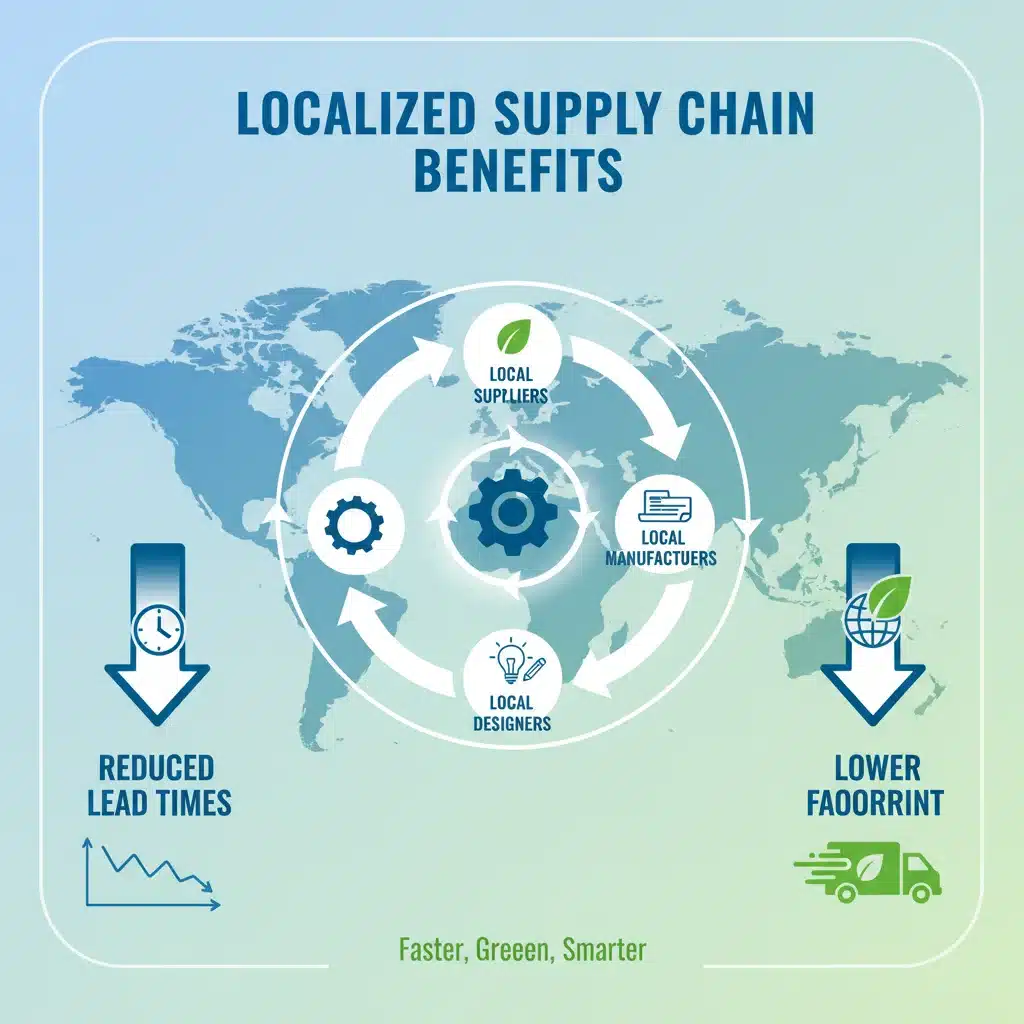
- Reduced Lead Times: Sourcing materials and manufacturing locally drastically cuts down on transportation time, allowing designers to bring new collections to market faster. This is crucial in a fast-paced industry where trends can shift overnight.
- Enhanced Communication and Collaboration: Working with local partners facilitates direct, real-time communication. Designers can visit factories, inspect production, and collaborate closely with manufacturers, leading to higher quality control and fewer misunderstandings. This direct engagement fosters a sense of partnership and shared vision, which is often difficult to achieve with overseas operations.
- Increased Flexibility and Responsiveness: Local supply chains are inherently more flexible. Designers can order smaller quantities, test new designs, and make adjustments quickly without the logistical nightmares associated with international shipping and large minimum order quantities (MOQs). This flexibility is a game-changer for emerging brands looking to experiment and innovate.
- Stronger Quality Control: Proximity allows for more frequent and thorough quality checks throughout the production process, minimizing errors and ensuring that the final product meets the designer’s exact specifications. This direct oversight contributes significantly to brand reputation and customer satisfaction.
The strategic implementation of local sourcing agility allows emerging designers to be more nimble, reactive, and ultimately, more competitive in a crowded market. It’s about creating a supply chain that works for the designer, rather than dictating their pace and possibilities.
The Economic Imperative: Cost, Control, and Cash Flow
While the initial perception might be that local production is more expensive, a deeper analysis reveals significant economic advantages that contribute to the widespread adoption of local sourcing agility. For emerging designers, managing cash flow and optimizing costs are paramount. Local sourcing, when strategically implemented, offers several financial benefits:
- Lower Inventory Holding Costs: The ability to produce smaller batches and react quickly to demand reduces the need for large inventory stockpiles, thereby cutting down on storage costs and the risk of unsold goods. This lean inventory management is a significant boon for smaller businesses.
- Reduced Shipping and Logistics Expenses: Eliminating international shipping, customs duties, and complex logistics significantly lowers overall operational costs. The carbon footprint associated with transportation is also drastically reduced, aligning with sustainability goals.
- Faster Time to Market, Faster Revenue: Shorter lead times mean products can be launched and sold more quickly, accelerating revenue generation and improving cash flow. This rapid turnover is critical for emerging brands that need to reinvest profits to fuel growth.
- Mitigated Risk of Tariffs and Trade Wars: Operating within domestic borders insulates designers from the volatility of international trade policies, tariffs, and geopolitical tensions, providing a more stable and predictable cost environment.
- Support for On-Demand and Made-to-Order Models: Local sourcing agility perfectly complements on-demand manufacturing and made-to-order business models, which minimize waste and optimize production based on actual customer orders. This not only saves money but also enhances exclusivity and customer engagement.
The economic benefits extend beyond mere cost savings; they encompass enhanced financial stability, greater control over pricing strategies, and the ability to adapt to market changes without incurring significant penalties. This financial prudence is a key driver for the 70% of US emerging designers embracing local sourcing agility.
Sustainability and Ethical Production: A Core Value Proposition
Today’s consumers, particularly younger demographics, are increasingly conscious of the environmental and social impact of their purchases. For emerging designers, integrating sustainability and ethical practices is not just a marketing ploy; it’s often a core value proposition that resonates deeply with their target audience. Local sourcing agility plays a crucial role in achieving these goals:
Environmental Benefits:
- Reduced Carbon Footprint: Shorter transportation distances for materials and finished goods significantly decrease greenhouse gas emissions associated with shipping and logistics. This direct reduction in environmental impact is a powerful selling point.
- Less Waste: The ability to produce smaller, more precise orders minimizes overproduction and textile waste. Local manufacturers are often more amenable to working with smaller quantities, reducing the likelihood of excess inventory ending up in landfills.
- Easier Adoption of Sustainable Materials: Proximity to local textile mills and innovative material producers makes it easier for designers to source sustainable, recycled, or upcycled fabrics and components, fostering a circular economy.
Ethical Benefits:
- Improved Labor Practices: Local production in the US typically adheres to stricter labor laws and fair wage standards, ensuring that workers are treated ethically and compensated fairly. This transparency is a stark contrast to the often-opaque labor practices in some overseas manufacturing hubs.
- Transparency and Traceability: A localized supply chain offers greater transparency, allowing designers to trace the origin of their materials and the conditions under which their products are made. This builds trust with consumers who demand to know the story behind their clothes.
- Community Support: Investing in local manufacturing supports domestic economies, creates jobs, and strengthens local communities. This community-centric approach resonates strongly with consumers who prefer to support businesses that contribute positively to their local environment.
The commitment to sustainability and ethical production through local sourcing agility is not just a moral imperative; it’s a powerful differentiator in a competitive market. It allows emerging designers to build brands with integrity, attracting a loyal customer base that values conscious consumption.
Innovation and Customization: The Creative Edge
Emerging designers are often at the forefront of creative innovation, pushing boundaries and experimenting with new styles, techniques, and materials. Local sourcing agility provides an unparalleled environment for fostering this creativity and enabling higher levels of customization:
- Rapid Prototyping and Sampling: The ability to quickly produce samples and prototypes with local manufacturers dramatically speeds up the design process. Designers can iterate on ideas, test different materials, and refine their creations much faster than with international partners. This rapid feedback loop is invaluable for creative development.
- Bespoke and Custom Orders: For brands focusing on unique or personalized pieces, local production makes bespoke and made-to-order models far more feasible. This allows designers to offer a highly differentiated product that caters to individual customer preferences, fostering a deeper connection with their clientele.
- Access to Specialized Craftsmanship: The US is home to highly skilled artisans and specialized manufacturers who can execute complex designs and unique finishes that might be difficult to achieve overseas. Local sourcing agility connects designers with this invaluable expertise.
- Experimentation with New Technologies: Local factories are often more open to experimenting with new technologies like 3D printing, laser cutting, or advanced textile manufacturing techniques, allowing designers to push the boundaries of what’s possible.
This creative freedom, coupled with the practical advantages of rapid iteration, positions emerging designers to innovate more effectively and bring truly unique products to market. Local sourcing agility is not just about efficiency; it’s about empowering the creative vision.
Building Stronger Relationships and Networks
The fashion industry, at its heart, is built on relationships. While global supply chains often involve impersonal transactions, local sourcing agility fosters strong, collaborative partnerships. For emerging designers, building a robust local network is invaluable:
- Direct Supplier Relationships: Working directly with local fabric mills, trim suppliers, and manufacturers allows designers to build personal relationships, leading to better communication, trust, and mutual understanding. These relationships can translate into preferential treatment, faster turnarounds, and more collaborative problem-solving.
- Community of Support: Being part of a local manufacturing ecosystem means designers can tap into a network of fellow creatives, suppliers, and industry experts. This community can offer mentorship, shared resources, and collaborative opportunities, which are especially beneficial for independent and emerging brands.
- Knowledge Transfer and Skill Development: Local partnerships facilitate knowledge transfer between designers and manufacturers, leading to a deeper understanding of production processes and design capabilities. This can also contribute to the preservation and development of specialized manufacturing skills within the US.
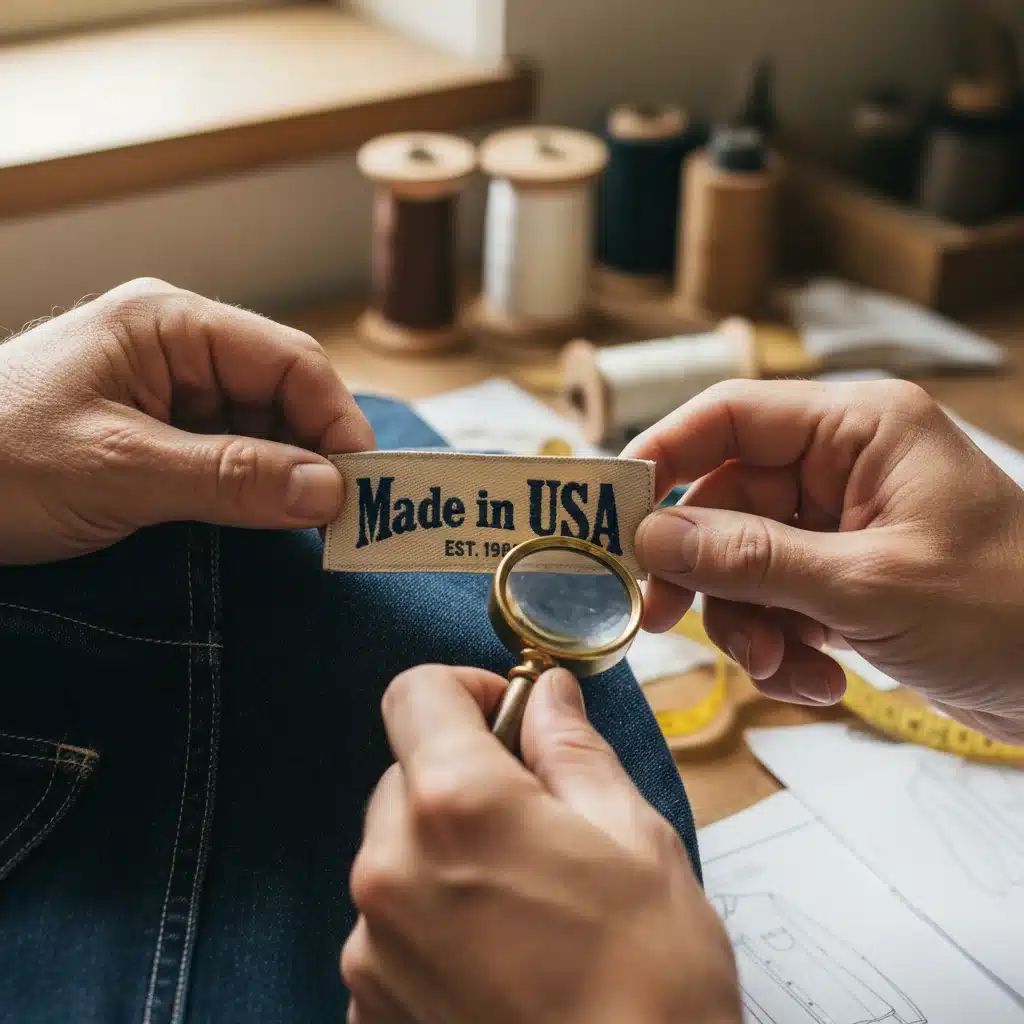
- Brand Storytelling: The narrative of ‘Made in USA’ or ‘Locally Produced’ resonates strongly with consumers. Designers can leverage these relationships to tell authentic brand stories, highlighting the people and processes behind their creations, which adds significant value to their brand identity.
These deeper connections are not just about business; they’re about building a resilient and supportive infrastructure that can withstand industry challenges and propel growth. The emphasis on community and collaboration is a defining characteristic of the move towards local sourcing agility.
Challenges and Solutions in Local Sourcing
While the benefits of local sourcing agility are compelling, it’s important to acknowledge the challenges that emerging designers might face and explore potential solutions. The perception of higher costs, limited manufacturing capacity, and a lack of specialized resources are common concerns:
- Higher Unit Costs: US labor and operational costs are generally higher than in many overseas countries. However, as discussed, these can often be offset by reduced shipping, inventory, and tariff costs, along with faster sales cycles. Designers must conduct thorough cost-benefit analyses to understand the true economic picture.
- Limited Manufacturing Options: Decades of offshoring have led to a decline in certain manufacturing capabilities within the US. However, there’s a resurgence in domestic manufacturing, with new factories emerging and existing ones retooling. Designers need to actively research and connect with these evolving resources.
- Minimum Order Quantities (MOQs): Some local manufacturers might still have high MOQs, posing a challenge for small emerging brands. Solutions include working with smaller, specialized factories, collaborating with other designers to meet MOQs, or focusing on made-to-order models.
- Finding Specialized Skills: Certain specialized skills or machinery might be harder to find locally. Networking, industry associations, and government programs aimed at revitalizing domestic manufacturing can help bridge these gaps.
Despite these hurdles, the momentum towards local sourcing agility is undeniable. Organizations and initiatives are emerging to support this shift, offering resources, directories of local manufacturers, and funding opportunities for designers committed to domestic production. The key lies in proactive research, strategic partnerships, and a willingness to adapt to a new paradigm.
The Future of Fashion: A Localized, Agile Ecosystem
The projection that 70% of US emerging designers will prioritize local sourcing agility by 2026 is a powerful indicator of the fashion industry’s future trajectory. This isn’t just about a preference; it’s about building a more resilient, responsible, and responsive industry. The benefits are clear: faster time to market, reduced environmental impact, ethical production, enhanced quality control, and greater creative freedom.
As consumer demand for transparency and sustainability continues to grow, brands that embrace local sourcing agility will be better positioned to meet these expectations and build lasting relationships with their customers. This shift represents a return to core values of craftsmanship, community, and conscious consumption, all while leveraging modern technology and strategic thinking to create an efficient and adaptable supply chain.
For aspiring and established designers alike, understanding and integrating the principles of local sourcing agility will be crucial for navigating the complexities of the modern fashion landscape. It’s an investment in the future – a future where fashion is not only beautiful but also ethical, sustainable, and truly agile.
Conclusion
The fashion industry stands at a critical juncture, with emerging designers leading the charge towards a more localized and agile future. The overwhelming trend of prioritizing local sourcing agility by 70% of US emerging designers by 2026 is a testament to its multifaceted benefits – from economic stability and environmental responsibility to enhanced creativity and stronger community ties. This strategic shift is not just an adaptation to current market demands but a proactive step towards building a more resilient, ethical, and innovative fashion ecosystem. By embracing local sourcing, designers are not only securing their own success but also contributing to a more sustainable fashion and equitable future for the entire industry. The journey towards greater local sourcing agility is complex, but the rewards, both for individual brands and the broader fashion landscape, are profoundly significant.