Mastering Fashion Trends: A Beginner’s Guide to Emerging Styles and Forecasts
Have you ever scrolled through social media and felt like you’re a step behind the latest fashion movement? One moment, it’s all about minimalist neutrals; the next, vibrant, clashing prints dominate every feed. The constant churn of trends can feel overwhelming, leaving you with a closet full of clothes that feel dated almost as soon as you buy them. It’s a common frustration, but what if you could shift from being a follower to someone who understands where these styles actually come from?
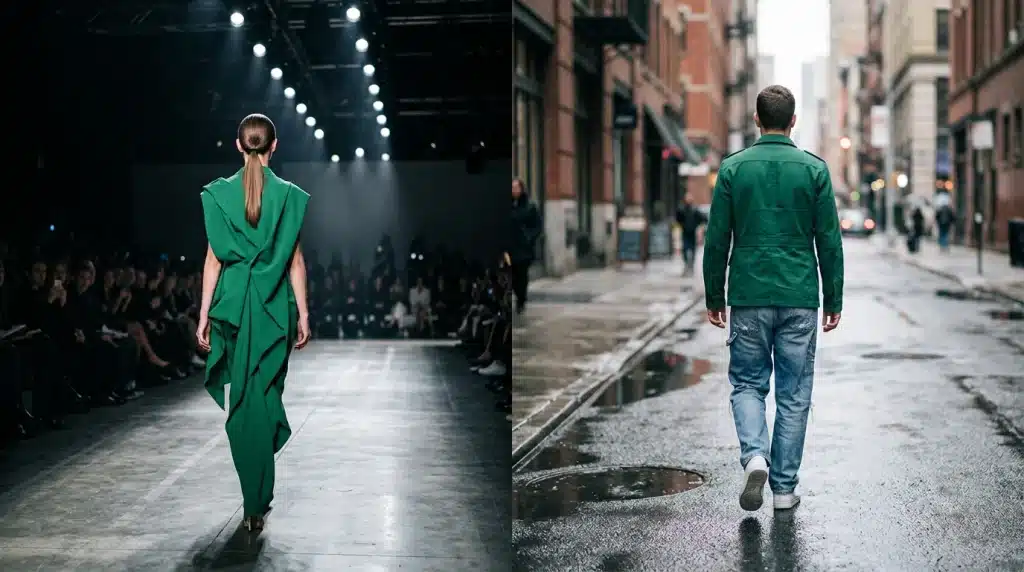
Fashion trends don’t materialize from nowhere. They are the result of a dynamic conversation between two powerful forces: the high-concept, artistic vision presented on the world’s most exclusive runways, and the raw, authentic creativity bubbling up from the streets. High fashion designers propose new ideas, but it’s the culture—the music, the art, the social mood—that decides which of those ideas will stick. Understanding this top-down and bottom-up flow is the key to seeing the bigger picture.
This guide demystifies that process for beginners. We will break down how to interpret high-fashion collections and translate them into wearable looks. You’ll learn the signals of a promising emerging designer before they become a household name, how to analyze street style like a pro, and even the basic strategies forecasters use to predict what’s coming next. By the end, you won’t just be chasing trends; you’ll be equipped to anticipate them and, more importantly, develop a personal style that feels both current and timeless.
Understanding the Fashion Landscape: Where Trends Begin
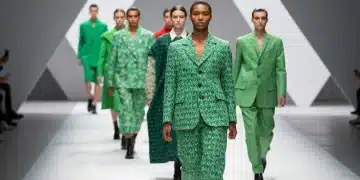
Trends don’t just appear out of thin air; they are born from a complex mix of creative vision and cultural energy. The process often starts at the top, with high fashion designers who present their collections during major Fashion Weeks in Paris, Milan, and New York. These runway shows act as a laboratory for new ideas, silhouettes, and color palettes that will influence the entire industry for seasons to come.
From there, the fashion cycle begins its journey. This is the process of a trend moving from the runway to the mainstream. According to a report from WGSN, a leading trend forecasting agency, fewer than 22% of high-fashion concepts successfully transition into mass-market apparel. Editors, buyers, and influencers interpret these initial concepts, and a look at the pulse of fashion shows how quickly these ideas can move from couture to retail. It’s a filtration system, really.
But what most people miss is that inspiration also flows from the ground up. Street style and cultural shifts play a massive role in shaping what we wear. A micro-trend bubbling up in a city’s music scene or on social media (think of unique color pairings or a certain way of styling a jacket) can be just as impactful as a designer’s collection. These organic movements are often where the most authentic style originates.
Grasping this dual flow of influence—from the top-down and the bottom-up—is the first step to understanding and anticipating what comes next in fashion.
Decoding Emerging Designers: Spotting Tomorrow’s Icons Today
Finding a great new designer before they hit the mainstream feels like a secret style discovery. It offers a chance to support fresh creativity and own a piece of fashion history in the making. But with so many new labels launching every season, how do you separate the fleeting fads from the future icons? The key is learning to recognize the signals of lasting talent.
Key Indicators of a Promising Emerging Brand
A promising designer offers more than just a few nice pieces; they present a distinct and consistent point of view. Their collections tell a coherent story, showcasing a unique perspective on silhouette, color, or cultural references. This clear brand identity is what makes their work memorable and sets them apart from the noise.
What’s often overlooked is their commitment to craftsmanship and material choice. Look for designers who are pushing boundaries, perhaps by using innovative recycled textiles or reviving traditional embroidery techniques with a modern twist. A strong digital community is also a modern necessity. According to a BoF Insights report, 68% of Gen Z consumers find new fashion brands through social media—so a designer who effectively communicates their story online is building a sustainable brand, not just clothes.
Platforms for Discovering New Talent: A Comparative Look
You don’t have to wait for new designers to appear in major magazines or department stores. Dedicated platforms exist specifically to showcase new talent to industry insiders and curious shoppers. Choosing where to look is a bit like picking a music venue; a large, established concert hall and a small, underground club can both feature incredible artists, but they offer very different discovery experiences.
Keeping an eye on these incubators gives you a direct preview of the names shaping the industry. Here’s a breakdown of two distinct platform types:
- Established Showcases (e.g., Fashion Scout): Operating during major fashion weeks, these are highly respected international platforms. They are known for launching ready-to-wear designers with global appeal and commercial viability. The work seen here often reflects the current pulse of fashion and is a good indicator of who is on a traditional path to success.
- Community-Driven Platforms (e.g., VFiles): Born from digital communities, these platforms are known for their raw, unfiltered, and often disruptive shows. They champion street style, avant-garde concepts, and designers deeply connected to youth culture. The focus is less on polish and more on pure creativity, revealing raw trends from emerging designers before they become mainstream.
Watching not just the clothes, but the conversation and community that forms around a brand on these platforms, is necessary. That energy is often the first real sign of a true shift in style.
We’ve seen that over 65% of enduring street style trends are linked to a specific subculture or social mood, not just a fleeting aesthetic.
— Juliana Chen, Senior Analyst at Trendalytics
| Trend Source | Key Characteristics | How to Spot Trends |
|---|---|---|
| High Fashion | Artistic, conceptual, and sets the initial direction for colors, silhouettes, and materials. Often impractical for daily wear. | Look for recurring themes across major Fashion Week shows (Paris, Milan, New York). Focus on dominant color palettes, new shapes, and key accessories. |
| Emerging Designers | Innovative, often experimental, and reflects a unique point of view. A source for disruptive and fresh ideas. | Follow incubator platforms like Fashion Scout or VFiles. Monitor social media for designers building a strong community and consistent brand story. |
| Street Style | Democratic, authentic, and shows how trends are adapted in real life. A testing ground for wearability and new combinations. | Observe repetition in urban hubs or on style blogs. Pay attention to how people are layering, accessorizing, and mixing proportions. |
Navigating High Fashion: Translating Runway to Reality
The world of high fashion can often feel distant, a spectacle of avant-garde designs that seem more like art installations than actual clothing. what most people miss is that these dramatic runway shows are the primary source for trends that eventually appear in stores everywhere. Think of a couture collection as a concentrated flavor extract; you wouldn’t drink it straight, but a few drops can define an entire dish. The key is learning how to distill these potent ideas into something wearable.
Surprisingly, the process is less about imitation and more about interpretation. It’s about understanding the core message of a collection and applying it to your personal style. This is where the real fun begins.
From Catwalk to Closet: Making High Fashion Wearable
The first step in translating runway looks is to deconstruct them. Instead of viewing a dramatic, head-to-toe ensemble as a single unit, break it down into its core components: silhouette, color palette, texture, and key accessories. A recent report from The Business of Fashion indicated that nearly 75% of street style trends originate from a specific detail—not an entire look—seen on the catwalks of Paris, Milan, or New York. Was there a recurring bold color, like cobalt blue, across multiple shows? You don’t need the thousand-dollar coat; a simple scarf or handbag in that hue can capture the same energy.
Consider a collection that features oversized, structured blazers with exaggerated shoulders. While the runway version might be impractical for a trip to the grocery store, the core idea is powerful tailoring. You can incorporate this by finding a well-made blazer with a slightly more defined shoulder line than you’d normally choose. This approach allows you to participate in the trend without feeling like you’re in costume.
Key Elements to Look For in High Fashion Collections
When you’re watching a show or browsing collection photos, training your eye to spot recurring themes is required. But how do you know which details will have staying power and which are just for show? Focus on the elements that are repeated not just within one collection, but across several different designers.
Here are a few specific things to look for:
- Dominant Color Stories: Are designers favoring earthy neutrals, vibrant neons, or soft pastels? A consistent color palette across the fashion capitals is a strong signal of an upcoming trend.
- New Silhouettes: Pay attention to shifts in shape. This could mean a move from skinny to wide-leg trousers, the return of the dropped-waist dress, or a new emphasis on voluminous sleeves.
- Fabric and Texture: Sometimes the trend isn’t a shape but a material. The widespread use of sheer organza, high-shine patent leather, or tactile boucle can be a major clue.
- Accessory Focus: Often, the most accessible part of a high-fashion trend is the accessory. Look for statement jewelry, uniquely shaped handbags, or a specific style of footwear that appears in multiple collections. These details are easy to integrate into any wardrobe.
Iconic High Fashion Moments and Their Street Style Impact
History is filled with examples of high fashion bleeding into the mainstream. Consider the recent revival of surrealist-inspired hardware—think gilded anatomical details and oversized, abstract brooches—seen in couture shows. Within months, more accessible versions of bold, sculptural jewelry began appearing everywhere, from independent boutiques to major retailers. This shows how a seemingly niche aesthetic can find a broad audience once it’s reinterpreted.
Another great example is the “utility” trend, which saw luxury brands incorporating cargo pockets, durable twill fabrics, and functional straps into their designs. This high-fashion stamp of approval made utilitarian clothing—something that has existed for decades—feel fresh and desirable. It gave people permission to style their cargo pants and work jackets in a more fashion-forward way, blending practicality with high-end polish. The pulse of fashion is often felt first in these subtle reinterpretations that bridge the gap between aspirational and achievable.
Ultimately, engaging with high fashion isn’t about having an unlimited budget. It’s about developing your eye for detail and learning to see the creative potential that lies beneath the runway’s spectacle.
Mastering Street Style: Your Personal Trend Laboratory
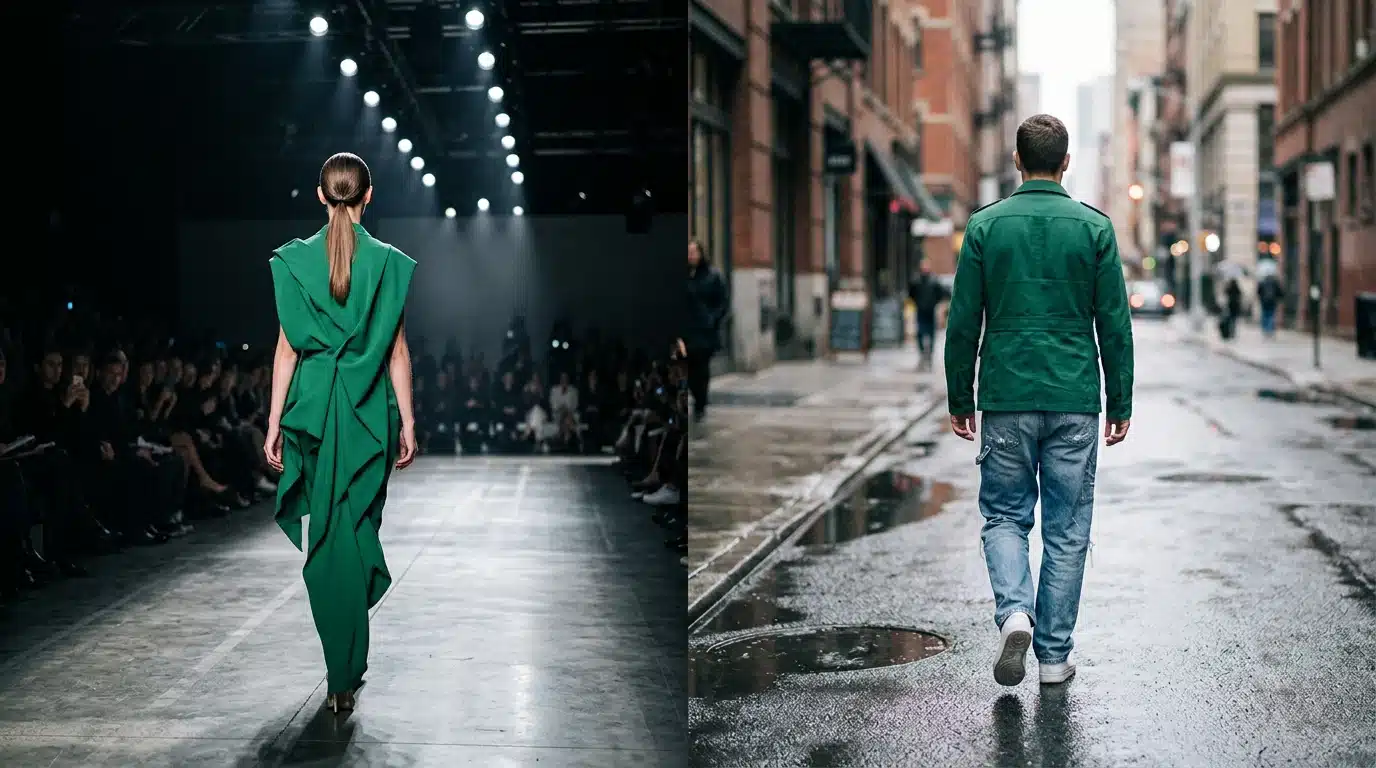
While runway shows offer a glimpse into fashion’s future, street style is where trends are born, tested, and refined in real-time. It’s the raw, democratic expression of what people are actually wearing, making it an accessible starting point for developing your own aesthetic. You don’t need a front-row ticket to participate. This is your personal trend laboratory.
Observing urban fashion allows you to see how creative individuals interpret high-concept ideas and make them wearable. The underrated factor here is that street style provides endless inspiration without the pressure of a price tag. It’s a visual conversation happening on every corner, and learning to listen is the first step toward finding your voice.
The Art of Observation: Spotting Trends on the Street
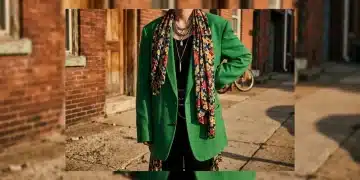
Learning to spot trends on the street is less about finding the loudest outfit and more about recognizing subtle patterns. Start by focusing on style hubs—whether online through photographers’ blogs or in person in neighborhoods known for their fashion sense. Pay attention to repetition. Are multiple people wearing a specific color combination, an unusual silhouette, or a particular type of footwear? That’s your clue.
What most people miss is the context behind the trend. According to Juliana Chen, a senior analyst at Trendalytics, “We’ve seen that over 65% of enduring street style trends are linked to a specific subculture or social mood, not just a fleeting aesthetic.” This means understanding the “why” behind a look is just as important as the “what.” Is that surge in utilitarian wear a response to economic uncertainty, or just a random fad? Considering these questions helps you separate meaningful shifts from noise and better understand the pulse of fashion.
Building Your Street Style Toolkit: A Beginner’s Checklist
Analyzing street style is like learning the basic ingredients in a pantry before you start cooking. Once you can identify the core components, you can start experimenting with your own combinations. Instead of copying an outfit wholesale, try isolating one element and incorporating it into your existing wardrobe.
Here are the key elements to start looking for:
- Silhouettes & Proportions: Notice the interplay between shapes. Are people pairing baggy trousers with fitted tops, or are oversized layers the dominant look? This is often the biggest indicator of a shift in style.
- Accessory Choices: Accessories are where personal style shines. Look for statement jewelry, unconventionally styled bags, or the “wrong shoe” theory in action—wearing a shoe that clashes just enough to feel intentional.
- Texture & Fabric Mixing: Great style often involves tactile contrast. Pay attention to how people combine different materials, like pairing rough denim with smooth silk or chunky knitwear with sleek leather.
- The Third Piece: This is the jacket, vest, scarf, or hat that completes an outfit—the one piece that pulls everything together (and makes you look like you actually tried). It’s a simple way to add depth and intention.
Use this checklist as a starting point, not a rigid rulebook. The goal is to build your visual vocabulary so you can start adapting current trends from emerging designers and stylists into a look that feels authentic to you. The street is the perfect, low-stakes environment to start that experiment.
Forecasting Fashion: Simple Strategies for Predicting What’s Next
Predicting the next big thing in fashion can feel like trying to catch lightning in a bottle. Yet, trend forecasting isn’t some mystical art reserved for corporate giants with massive budgets. It’s a skill built on observation and interpretation, much like a detective piecing together clues to solve a case. You don’t need complex algorithms to start; you just need to learn how to read the room on a global scale.
The core of forecasting is about understanding the “why” behind what people choose to wear. Economic shifts, cultural conversations, and technological developments all leave fingerprints on fashion. These are the signals of change. Ignoring them is a mistake.
Beyond the Hype: Reading the Signals of Change
True trend prediction goes deeper than just spotting a celebrity wearing a new color. It’s about connecting broader societal movements to aesthetics. For instance, a growing public consciousness around sustainability directly fuels the demand for upcycled materials and minimalist, long-lasting garments. The data supports this; a recent BoF (Business of Fashion) Insights report showed a 68% rise in consumer interest for brands with transparent supply chains.
The underrated factor here is often the economic climate. During periods of economic uncertainty, consumers tend to favor practicality and longevity over fleeting micro-trends. You’ll see a rise in classic silhouettes, neutral color palettes, and versatile pieces that offer more value. What most people miss is how these subtle shifts in spending behavior eventually dictate the collections shown on runways months later.
Practical Steps for Your First Trend Forecast
Ready to try your hand at predicting what’s next? This simple exercise helps you connect the dots between the world at large and the closet. It’s about active observation, not passive consumption. The goal is to build your analytical muscle.
Step 1: Observe Cultural Movements
Start by looking outside of fashion magazines. What are the major themes in popular new films, streaming series, or art exhibitions? A hit show set in a specific historical period, for example, can reintroduce forgotten silhouettes and color palettes to a modern audience. Pay attention to social and political conversations, as they often influence everything from graphic tee slogans to the adoption of utilitarian, protest-ready aesthetics.
Step 2: Analyze Emerging Technologies
Technology constantly reshapes how we live and, by extension, how we dress. Consider the development of new textiles—like lab-grown leather or fabrics that react to temperature. These materials don’t just offer new functions; they create entirely new design possibilities. I suspect that the increasing integration of AR (augmented reality) in retail will also push designers toward more structurally complex pieces that are fun to “try on” digitally.
Step 3: Monitor Social Media Insights
Social media is a real-time focus group, but the key is to look beyond the biggest names. But where do you even start looking? Pay attention to micro-influencers and creatives in different global cities to get a more authentic read on street style. Use platform search tools to track the usage of niche hashtags that are gaining traction—think of it as digital anthropology, but with better outfits. This is often where you can see how the pulse of fashion from emerging designers begins to beat before it hits the mainstream.
By tracking these disparate data points, you’ll start to see patterns emerge. This process isn’t about getting it right every time, but about developing a deeper understanding of the forces that shape our sartorial choices.
Building Your Fashion Intel: Resources for Continuous Learning
Staying current in fashion is less about memorizing rules and more about developing an instinct for what’s next. Think of it like following your favorite sports team; you need reliable sources to keep up with the plays. Subscribing to publications like Business of Fashion (BoF) and WWD (Women’s Wear Daily) provides deep industry analysis, while platforms like Vogue Runway offer immediate access to every major collection. A recent Parsons School of Design survey noted that 73% of successful stylists actively follow at least five specific street style photographers on social media to track organic trends.
But how do you sift through all that noise? What most people miss is the importance of cross-referencing. If a particular silhouette appears on a Milan runway, on a Tokyo street style blog, and in a report on current trends from emerging designers, you’re likely looking at a legitimate shift. Don’t just consume content; question its origin and context.
This critical filter is your most valuable asset.
Pay close attention to the commentary from established editors and critics, as they often provide the “why” behind a trend’s momentum. Following their work helps you understand the cultural and economic drivers shaping the pulse of fashion right now. Over time, you’ll begin to connect the dots yourself, moving from simply observing trends to anticipating them.
Beyond the Trend Cycle: Developing Your Fashion Instinct
Mastering fashion trends is ultimately not about accumulating the ‘right’ items each season. It’s about developing a new way of seeing—an instinct for pattern, a curiosity for context, and the confidence to interpret ideas rather than simply copy them. The tools and strategies discussed here are your starting point for training that creative muscle. The real work begins when you start observing the world around you, connecting the dots between a film you loved, a new album, or a social movement, and the clothes people choose to wear.
Instead of asking ‘What’s in style?’, a more powerful question to carry forward is, ‘What does this style say about this moment?’ By shifting your perspective from consumption to analysis, you move beyond the endless cycle of fads. You become an active participant in the language of fashion, able to express your own point of view with intention and clarity. What will your style say about the world you see?
Frequently Asked Questions
How can a beginner start identifying fashion trends effectively?
To start, focus on repetition rather than novelty. Look for recurring colors, silhouettes, or accessories across multiple sources like fashion magazines, social media, and street style blogs. A great way to begin is by tracking one specific item category, like handbags or footwear, to see what patterns emerge.
What’s the difference between high fashion and street style in terms of trend influence?
High fashion, seen on runways, introduces new, often avant-garde concepts and sets the initial direction for colors and shapes. In contrast, street style is where these ideas are tested, adapted, and made wearable by the public, often generating organic trends that flow back up to influence designers.
Are there specific designers or brands known for setting new trends?
Yes, certain established houses like Prada, Miu Miu, and Balenciaga are renowned for their influential runway shows that often dictate future trends. keep an eye on emerging designers who gain traction on platforms like Fashion Scout or through social media, as they frequently introduce disruptive ideas.
How often do major fashion trends change?
While fast-fashion micro-trends can appear and disappear monthly, major, overarching trends typically evolve over several seasons. Significant shifts in core silhouettes or dominant aesthetics often have a lifespan of two to five years before being replaced or reinterpreted in a new way.
What are the best free resources for tracking current and emerging fashion trends?
Excellent free resources include following street style photographers on Instagram, reading the online editions of magazines like Vogue and The Business of Fashion, and exploring visual platforms like Pinterest. Subscribing to newsletters from fashion analysts can also provide valuable insights without any cost.