Micro-Influencer Collaborations: Boosting US Designer Engagement 25% by 2026
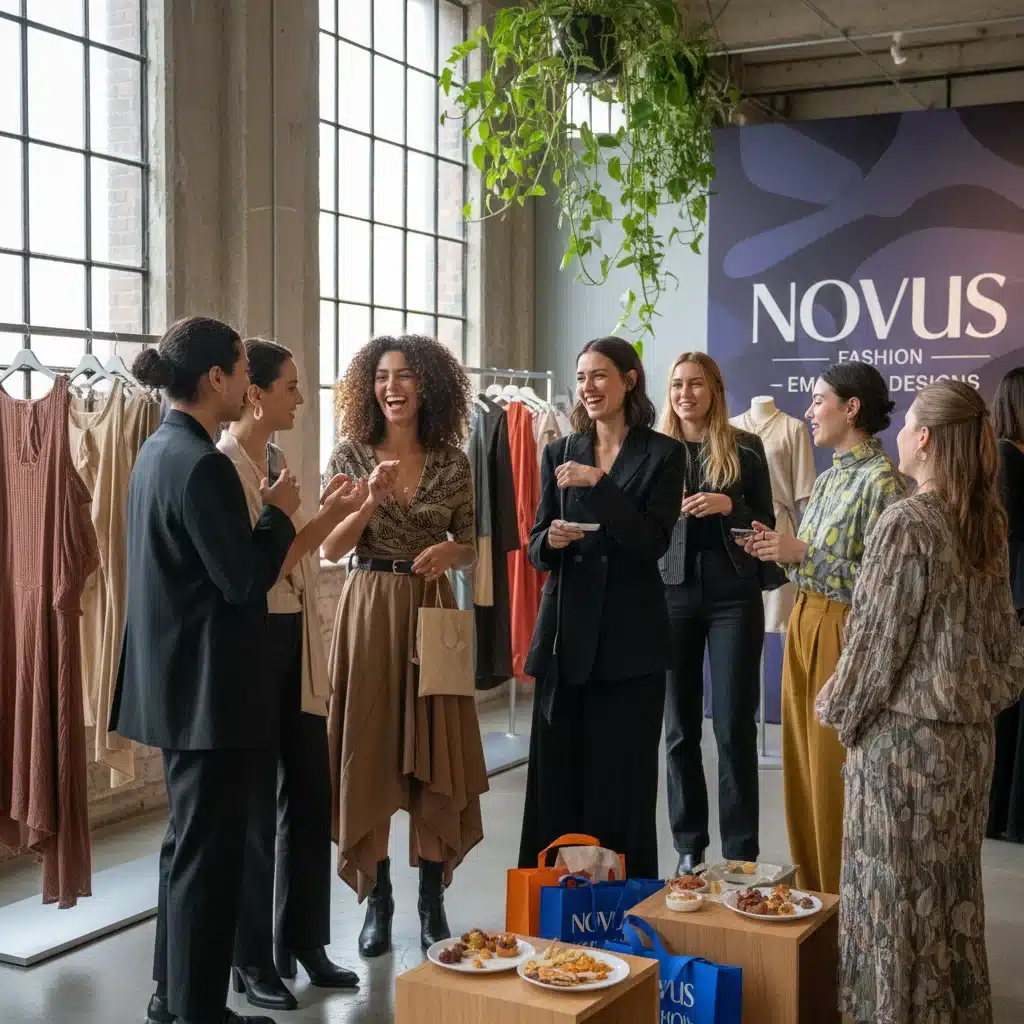
In the dynamic and ever-evolving landscape of fashion, emerging US designers face a unique set of challenges: cutting through the noise, building brand credibility, and fostering genuine customer loyalty. While traditional marketing avenues can be costly and yield diminishing returns, a powerful, cost-effective strategy is gaining significant traction: collaborations with micro-influencers. The rise of micro-influencers represents a paradigm shift in how brands connect with their target audiences. For emerging US designers, this isn’t just a trend; it’s a strategic imperative with the potential to drive a remarkable 25% increase in engagement by Q4 2026. This comprehensive guide will delve into the intricacies of micro-influencer designer collaboration, offering actionable insights and a roadmap for achieving substantial growth.
“+ ““+ “
The Shifting Sands of Influence: Why Micro-Influencers Matter for Emerging Designers
“+ “
The term ‘influencer’ often conjures images of celebrities with millions of followers. However, the true power for niche brands and emerging designers lies in the ‘micro’ segment. Micro-influencers typically have follower counts ranging from 1,000 to 100,000, but their impact far outweighs their numbers. Their audiences are highly engaged, deeply trusting, and often share specific interests, making them invaluable for targeted marketing. For emerging US designers, whose budgets are often constrained and whose target demographics are often very specific, micro-influencer designer collaboration offers an unparalleled opportunity to connect authentically.
“+ “
“+ “
Authenticity and Trust: The Cornerstones of Micro-Influencer Power
“+ “
One of the primary reasons for the effectiveness of micro-influencers is their authenticity. Unlike mega-influencers who might promote a wide array of products, micro-influencers often focus on a specific niche. This specialization fosters a genuine connection with their followers, who perceive them as trusted peers rather than distant celebrities. When a micro-influencer endorses an emerging US designer’s product, it’s seen as a genuine recommendation from someone who truly believes in the brand, not just a paid advertisement. This trust translates directly into higher engagement rates, better conversion rates, and ultimately, stronger brand loyalty. This is crucial for any emerging US designer looking to establish a foothold in a competitive market.
“+ “
Higher Engagement Rates: A Data-Driven Advantage
“+ “
Studies consistently show that micro-influencers boast significantly higher engagement rates compared to their macro counterparts. While a celebrity with millions of followers might see a 1-2% engagement rate, a micro-influencer often achieves 5-10% or even higher. This is because their smaller, more dedicated communities allow for more personal interaction, direct responses to comments, and a sense of shared experience. For an emerging US designer, this means that every dollar invested in a micro-influencer designer collaboration yields a greater return in terms of likes, comments, shares, and direct traffic to their website. This heightened engagement is a key driver for our target of a 25% increase by Q4 2026.
“+ “
Cost-Effectiveness: Maximizing ROI for Growing Brands
“+ “
Budget constraints are a significant hurdle for many emerging US designers. Micro-influencer collaborations offer a remarkably cost-effective alternative to traditional advertising. While mega-influencers command exorbitant fees, micro-influencers are often more affordable and sometimes even open to product-only compensation or commission-based structures. This allows emerging designers to stretch their marketing budgets further, partnering with multiple micro-influencers to reach a broader, yet still highly targeted, audience. This financial accessibility makes micro-influencer designer collaboration an indispensable tool for growth.
“+ “
Crafting a Winning Micro-Influencer Designer Collaboration Strategy
“+ “
Successfully implementing a micro-influencer strategy requires more than just sending out free products. It demands careful planning, strategic selection, and a clear understanding of objectives. Here’s how emerging US designers can build a robust framework for effective micro-influencer designer collaboration.
“+ “
Defining Your Target Audience and Collaboration Goals
“+ “
Before approaching any influencer, an emerging US designer must have a crystal-clear understanding of their target audience. Who are they? What are their interests? What platforms do they frequent? This foundational knowledge will guide the selection of micro-influencers whose audiences align perfectly with the brand’s ideal customer. Simultaneously, establish specific, measurable, achievable, relevant, and time-bound (SMART) goals for your collaboration. Are you aiming for increased brand awareness, website traffic, sales, or perhaps user-generated content? Clearly defined goals will help in measuring the success of your micro-influencer designer collaboration efforts and tracking progress towards the 25% engagement increase.
“+ “
Identifying the Right Micro-Influencers: Beyond Follower Count
“+ “
Finding the perfect micro-influencer for your emerging US designer brand goes beyond simply looking at follower numbers. Consider these critical factors:
“+ “
- “+ “
- Niche Relevance: Does their content align with your brand’s aesthetic and values? A fashion micro-influencer specializing in sustainable clothing would be a perfect fit for an eco-conscious emerging designer.
- Engagement Rate: Look for influencers with consistently high engagement (likes, comments, shares) relative to their follower count. Tools can help analyze this.
- Audience Demographics: Ensure their audience demographics (age, location, interests) match your target customer base in the US.
- Authenticity and Brand Fit: Review their past content. Do they seem genuine? Would your brand naturally fit into their feed? A seamless fit is key for effective micro-influencer designer collaboration.
- Content Quality: Do they produce high-quality photos and videos? Their content will represent your brand.
“+ “
“+ “
“+ “
“+ “
“+ “
“+ “
Reaching Out and Building Relationships
“+ “
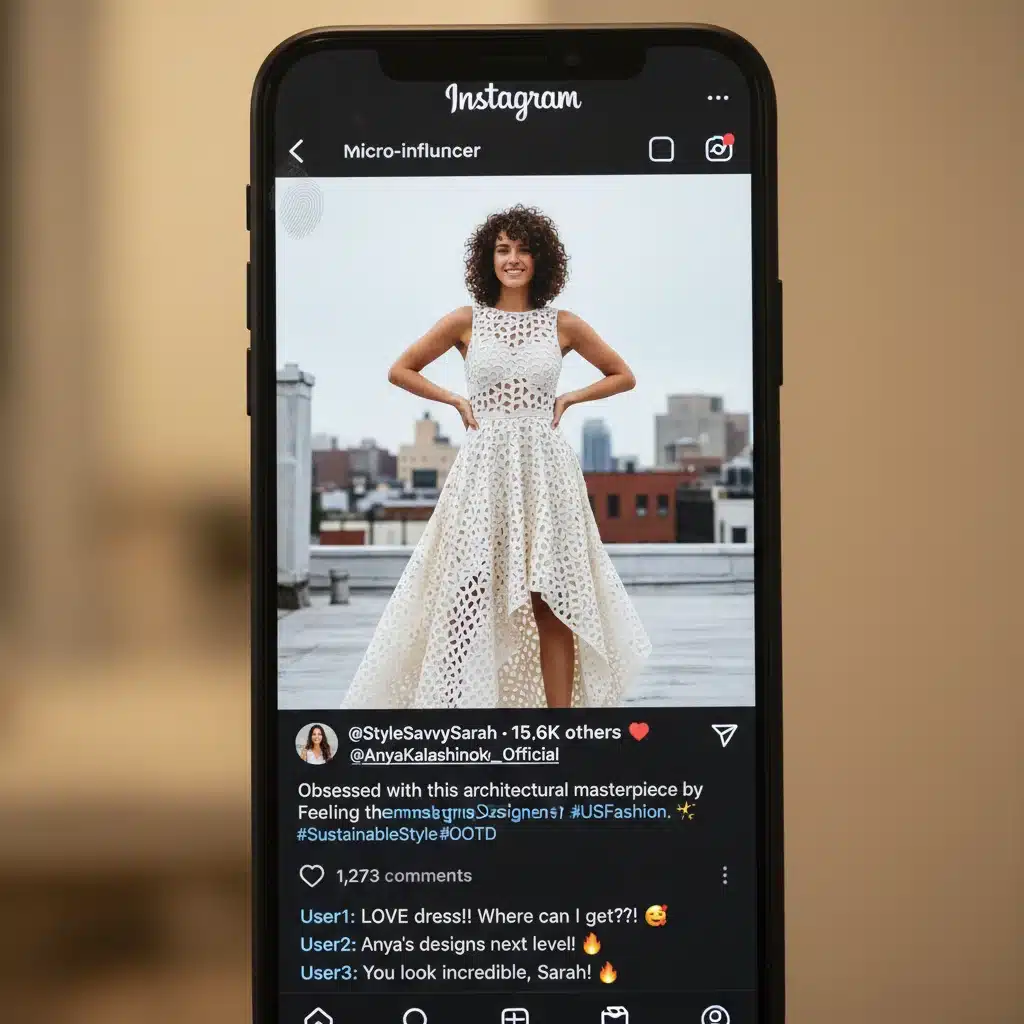
Once you’ve identified potential micro-influencers, craft a personalized outreach message. Avoid generic templates. Reference specific posts or aspects of their content that you admire, demonstrating that you’ve done your homework. Clearly articulate the value proposition for them and your emerging US designer brand. Be transparent about your expectations and what you can offer in return (product, payment, commission). Remember, micro-influencer designer collaboration is a two-way street; foster a genuine relationship built on mutual respect and shared goals.
“+ “ “+ “
Structuring Effective Micro-Influencer Campaigns
“+ “
A well-structured campaign ensures both the emerging US designer and the micro-influencer understand their roles and responsibilities, leading to optimal results and contributing to the 25% engagement increase target.
“+ “
Clear Briefs and Creative Freedom
“+ “
Provide a clear, concise brief that outlines your campaign objectives, key messages, desired aesthetics, and any specific calls to action (e.g., visit website, use discount code). However, it’s crucial to also grant micro-influencers creative freedom. They know their audience best and how to communicate most effectively with them. Trust their expertise to integrate your emerging US designer brand authentically into their content. Overly restrictive guidelines can stifle creativity and make the collaboration feel inauthentic.
“+ “
Content Types and Campaign Ideas
“+ “
Micro-influencer designer collaboration can manifest in various creative forms:
“+ “
- “+ “
- Product Reviews/Showcases: The influencer features your emerging US designer product in an outfit post, video, or story, discussing its features and styling.
- Giveaways and Contests: A highly engaging strategy where the influencer hosts a giveaway of your product, often requiring followers to follow both accounts and tag friends.
- Takeovers: The micro-influencer temporarily takes over your brand’s social media account, offering a fresh perspective and cross-promoting.
- Affiliate Marketing: Providing influencers with a unique discount code or affiliate link, earning them a commission on sales generated.
- Behind-the-Scenes/Process: If relevant, showcasing the emerging US designer’s creative process or sustainable practices through the influencer’s lens.
- Event Collaborations: Inviting micro-influencers to launch events or pop-ups, generating live content and buzz.
“+ “
“+ “
“+ “
“+ “
“+ “
“+ “
“+ “
Legal and Payment Considerations
“+ “
Always have a clear agreement in writing, even for smaller collaborations. This should cover deliverables, timelines, payment (if any), usage rights for the content, and disclosure requirements (e.g., #ad, #sponsored). For emerging US designers, understanding FTC guidelines on influencer marketing is paramount to maintain transparency and avoid legal issues. Payment structures can vary: flat fees, gifted products, commission-based, or a hybrid. Choose what best suits your budget and the scope of the micro-influencer designer collaboration.
“+ “
Measuring Success and Optimizing for Future Growth
“+ “
To achieve the ambitious goal of a 25% increase in engagement by Q4 2026, consistent measurement and optimization are non-negotiable. Emerging US designers must track key performance indicators (KPIs) to understand what’s working and what needs adjustment.
“+ “
Key Performance Indicators (KPIs) for Micro-Influencer Campaigns
“+ “
Focus on metrics that directly reflect engagement and contribute to your overall business objectives:
“+ “
- “+ “
- Engagement Rate: Likes, comments, shares, and saves relative to follower count. This is a primary metric for micro-influencer designer collaboration success.
- Reach and Impressions: How many unique users saw the content and how many times it was viewed.
- Website Traffic: Track clicks to your website from influencer-generated links (using UTM parameters).
- Conversion Rate: Sales or sign-ups directly attributed to the influencer’s efforts (via discount codes or affiliate links).
- Brand Mentions and Sentiment: Monitor how often your emerging US designer brand is mentioned and the overall tone of these mentions.
- User-Generated Content (UGC): The quantity and quality of content created by followers inspired by the influencer’s post.
“+ “
“+ “
“+ “
“+ “
“+ “
“+ “
“+ “
Analyzing Data and Iterating Your Strategy
“+ “
Regularly review the performance of each micro-influencer designer collaboration. What content types performed best? Which influencers drove the most engagement or sales? Use these insights to refine your approach. If certain influencers consistently deliver strong results, consider fostering long-term partnerships. If others underperform, analyze why and adjust your selection criteria or briefing process. This iterative approach is crucial for continuous improvement and reaching your engagement targets.
“+ “
Case Studies and Success Stories: Real-World Impact
“+ “
While specific emerging US designer names often prefer confidentiality, the principles of successful micro-influencer designer collaboration are evident across numerous industries. For instance, a small, sustainable fashion brand launched a new collection by partnering with 10 micro-influencers, each with 10k-30k followers, who specialized in ethical fashion. By providing them with products and a unique discount code, the brand saw a 15% increase in website traffic and a 10% uplift in sales within the first month, along with a flood of authentic user-generated content that they could repurpose. This demonstrates the tangible impact of well-executed micro-influencer designer collaboration.
“+ “
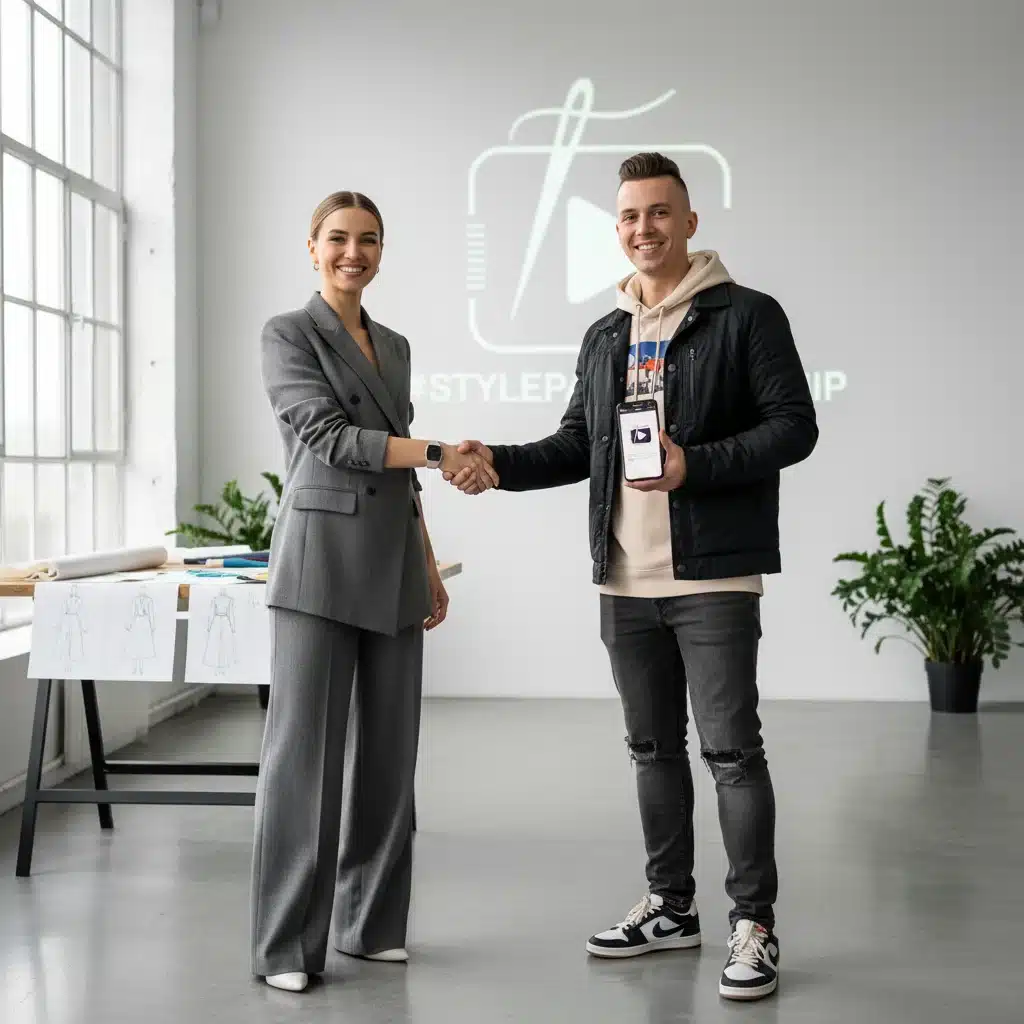
Another example involves an emerging US jewelry designer who collaborated with lifestyle micro-influencers, focusing on how their pieces integrated into everyday life. The influencers created ‘day-in-the-life’ style content featuring the jewelry, resulting in a significant boost in direct messages inquiring about the products and a measurable spike in their Instagram engagement rate, validating the power of authentic storytelling through micro-influencers.
“+ “ “+ “
Overcoming Challenges in Micro-Influencer Collaborations
“+ “
While the benefits are clear, emerging US designers may encounter challenges in their micro-influencer designer collaboration journey. Anticipating and addressing these can ensure smoother, more effective campaigns.
“+ “
Finding the Right Fit (Quality over Quantity)
“+ “
One common challenge is sifting through numerous potential influencers to find those who truly align with your brand. It’s easy to get sidetracked by vanity metrics. Always prioritize quality of engagement and audience relevance over a large, but disengaged, follower count. Tools and platforms designed for influencer discovery can help streamline this process, allowing you to filter by niche, engagement rate, and demographics relevant to the US market.
“+ “
Managing Expectations and Communication
“+ “
Miscommunication can lead to disappointing results. Be explicit about your expectations regarding content, posting schedules, and deliverables. Similarly, be open to feedback from the micro-influencer. They are experts in their specific audience and can offer valuable insights. Regular check-ins and a collaborative spirit are essential for a successful micro-influencer designer collaboration.
“+ “
Tracking ROI Accurately
“+ “
Attributing sales and engagement directly to micro-influencer efforts can sometimes be tricky. Implement robust tracking mechanisms such as unique discount codes, custom landing pages, and UTM parameters for all links. This data is vital for proving the effectiveness of your micro-influencer designer collaboration and justifying continued investment.
“+ “
Scaling Your Efforts
“+ “
As your emerging US designer brand grows, you’ll want to scale your micro-influencer efforts. This doesn’t necessarily mean moving to macro-influencers. Instead, consider expanding the number of micro-influencers you work with, diversifying content types, or exploring longer-term ambassador programs with your top performers. Automation tools can also help manage a larger roster of influencers.
“+ “
The Future of Fashion Marketing: Long-Term Vision for Emerging US Designers
“+ “
The landscape of fashion marketing is continually evolving, but the core principles of authenticity, community, and genuine connection remain paramount. For emerging US designers, micro-influencer designer collaboration is not just a short-term tactic; it’s a foundational strategy for sustainable growth. By building strong, reciprocal relationships with micro-influencers, designers can cultivate a loyal community around their brand, turning followers into advocates and customers.
“+ “
Looking ahead to Q4 2026, the goal of a 25% increase in engagement is not merely ambitious but entirely achievable through a consistent, data-driven approach to micro-influencer collaborations. As consumers become more discerning and seek out brands with purpose and personality, the intimate and trusted recommendations offered by micro-influencers will only grow in importance. Emerging US designers who embrace this model will not only boost their engagement but also solidify their position in a competitive market, fostering a loyal customer base that champions their unique vision.
“+ “
The journey of an emerging US designer is filled with creativity, passion, and often, significant challenges. By strategically integrating micro-influencer designer collaboration into their marketing blueprint, these innovative brands can unlock unprecedented levels of engagement, visibility, and ultimately, commercial success. The path to a 25% engagement increase by Q4 2026 is clear: empower authentic voices, build genuine connections, and let the power of micro-influence propel your brand forward.