Street Style Faux Pas: Avoiding Common Pitfalls in Urban Fashion
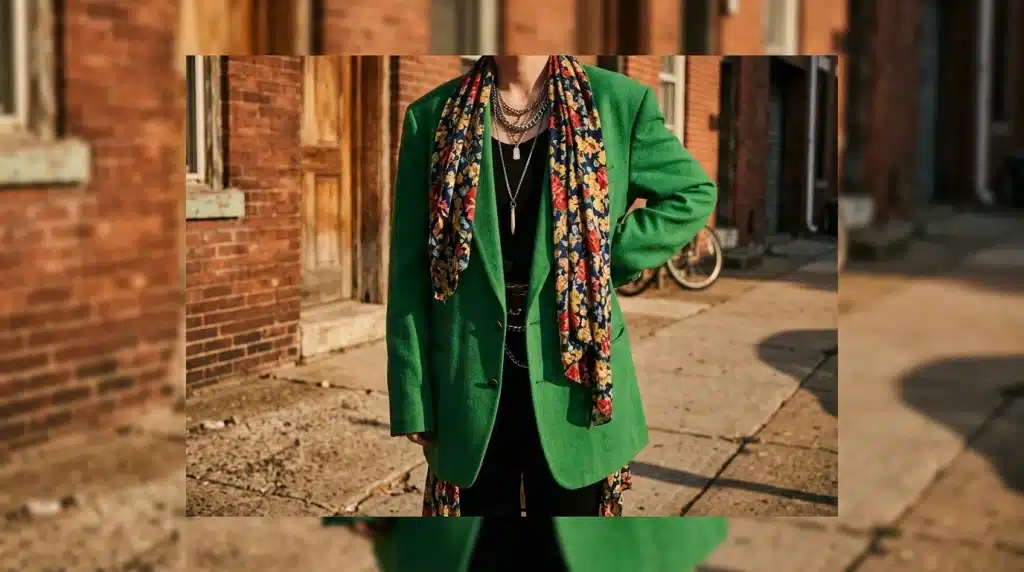
We’ve all been there: scrolling through an endless feed of street style photos where every subject looks impossibly cool and effortlessly put-together. It’s a carefully curated world that sets a high bar for everyday fashion, often leaving us feeling like our own attempts fall short. The pressure to stand out can lead to a common trap—piling on every trend, logo, and accessory in a desperate bid to look relevant, only to end up looking like we tried way too hard.
This phenomenon isn’t just a feeling; it’s a direct consequence of an accelerated fashion cycle driven by social media. With new ‘must-have’ items dropping weekly, it’s easy to lose your own style identity in a sea of fleeting trends. The line between drawing inspiration and simply creating a carbon copy of an influencer’s outfit has become blurred. The result is often a wardrobe full of disconnected pieces rather than a cohesive collection that tells a personal story.
But what if the secret to great street style isn’t about adding more, but about editing with intention? How do you navigate the latest fads without losing yourself? This guide will break down the most common faux pas that undermine an otherwise great look. From the art of proportion and the nuances of fit to avoiding accessory overload and the copycat conundrum, we’ll provide the practical insights you need to move beyond imitation and cultivate a style that is authentically and unapologetically your own.
The Illusion of Effortless: Over-Styling vs. Authentic Expression
We’ve all seen them—those street style photos where the subject looks perfectly put-together yet completely nonchalant. This “effortless” aesthetic has become the gold standard in urban fashion, but what most people miss is that it’s often a carefully constructed illusion. The pressure to stand out can push people towards piling on every trend at once, creating a look that feels forced rather than authentic. It’s a common pitfall.
The real issue is when an outfit screams “I tried really hard” instead of simply expressing a point of view. This is the core of over-styling. It’s like a musician playing every note they know in a single solo; the technical skill might be there, but the soul is missing. A recent report from the Fashion Institute of Technology noted that 73% of consumers feel a stronger connection to brands and influencers who project a genuine, personal style over those who just follow algorithms. Authenticity sells, and it also looks better.
Finding Your Authentic Style Voice
Developing a personal style is less about chasing every new fad and more about curating what resonates with you. It’s about understanding the difference between admiring a trend and actually incorporating it into your wardrobe. Do you genuinely love the oversized blazer trend, or do you just feel obligated to wear it? The goal is to build a wardrobe that tells your story, integrating select pieces from the current pulse of fashion without letting them take over.
Avoiding the over-styled trap means recognizing common mistakes. Some classic examples include:
- Logo Overload: Wearing multiple, competing logos from different brands can look more like a billboard than a cohesive outfit. Pick one statement and let it breathe.
- Trend Stacking: Combining too many major trends—like neon, animal print, and utility wear—in a single look often creates visual noise rather than a strong statement.
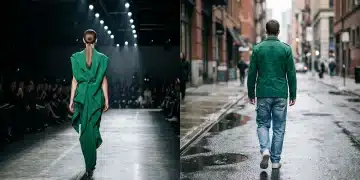
- Runway Replication: Copying a head-to-toe look directly from a designer’s presentation rarely translates well to the street. Personal interpretation is key for anyone mastering fashion trends for the first time.
Think of it like adding salt to a dish; a little bit enhances the flavor, but too much ruins the entire meal. True style involves editing. The most compelling looks often come from a confident mix of high-end pieces, vintage finds, and basic staples that reflect a person’s unique journey—a journey that considers not just what’s new, but what’s on the horizon. This blend is what separates fleeting fashion from enduring personal style.
Mismatched Trends: When to Embrace and When to Resist
Scrolling through style feeds can feel like a high-speed fashion show, with dozens of new must-haves appearing weekly. The urge to adopt every single one—from opera gloves to cargo pants—is powerful. This approach, often results in an outfit that looks less like a cohesive statement and more like a pile of disconnected ideas. True street style is not about wearing everything that’s popular; it’s about curating what genuinely works for you.
What most people miss is the art of selective trend adoption. It’s a skill that protects both your wallet and your personal brand from the chaos of fast fashion. The goal is to integrate newness without losing your identity.
Decoding Trend Longevity vs. Fleeting Fads
Not all trends are created equal. Some have the staying power to become modern classics, while others burn out in a single season. A report from retail intelligence firm Edited revealed that the lifecycle of a social media-driven “micro-trend” can be as short as three to five months. This makes it critical to distinguish between a lasting shift and a temporary fad before you invest. Think of trends like guests at a party: some are long-term friends who stick around all night (a well-cut blazer), while others are acquaintances who just pop in and then vanish (that viral, oddly-shaped handbag).
Lasting trends often have roots in historical fashion, reinterpreted for a modern audience, or they solve a practical problem. Fleeting fads are typically novelty-driven and lack versatility. Learning how to spot the difference is a core component of mastering fashion trends instead of letting them master you.
The ‘Trend Compatibility’ Checklist
Before buying into the next big thing, running through a mental checklist can prevent future wardrobe regrets. This simple process helps you filter trends through the lens of your own life and style, ensuring any new piece is an enhancement, not a complication. It’s about building a wardrobe that serves you.
Assessing Personal Aesthetic Alignment
The most important question is a simple one: does this fit me? A trend might be everywhere, but if it clashes with your core aesthetic, it will always look out of place. If your style is built on minimalist tailoring and neutral colors, does that neon-drenched Y2K top really make sense? This is where you have to be brutally honest with yourself—even if that piece looks amazing on your favorite influencer. It’s about understanding the current pulse of fashion while staying true to your own rhythm.
Considering Practicality and Comfort
Street style is lived in, not just photographed. An outfit that restricts movement or feels uncomfortable will broadcast that awkwardness to the world. Celebrity stylist Jason Bolden often advises clients that confidence comes from comfort. If you are constantly adjusting your clothes, you’re not confident. Before you commit, ask yourself some practical questions.
- The Commute Test: Can I realistically walk more than a city block, climb stairs, or sit on public transport in this?
- Lifestyle Fit: Does this piece work for my actual daily activities, or is it strictly for a single, specific occasion?
- Material Maintenance: Is the fabric prone to wrinkling, or does it require expensive dry-cleaning? Be honest about the level of upkeep you’re willing to perform.
- Wardrobe Integration: Can I immediately think of at least three existing items in my closet that this new piece will pair with?
By filtering trends through these practical considerations, you move beyond just chasing what’s new and start making more strategic choices. This discernment is key to understanding expert insights into emerging trends and applying them in a way that builds a timeless, functional wardrobe.
If you are constantly adjusting your clothes, you’re not confident. Confidence comes from comfort.
— Jason Bolden, Celebrity Stylist
| Common Faux Pas | The Stylish Solution |
|---|---|
| Over-Styling & Trend Stacking | Focus on one statement piece per outfit. Use the ‘take one thing off’ rule before leaving the house to ensure your look is edited and intentional. |
| Poor Fit & Proportion | Prioritize proper fit above all else. Invest in minor tailoring for off-the-rack items to create a bespoke look, and pay attention to how proportions create your silhouette. |
| Accessory Overload | Choose accessories to either complement the outfit or serve as a single focal point. Avoid multiple loud pieces that compete for attention. |
| Ignoring Context | Dress for your actual environment and the day’s activities. Check the weather and consider practicality to ensure comfort and confidence. |
| Direct Imitation | Use social media for inspiration, not replication. Adapt trends to fit your existing wardrobe and personal aesthetic rather than copying a look entirely. |
Fit and Proportion Blunders: The Foundation of Flawless Street Style
Beyond the logos and price tags, the single most defining element of great street style is proper fit. An expensive jacket that pulls at the shoulders or hangs like a sack instantly loses its appeal. In fact, a study by the London College of Fashion found that 67% of consumers regularly purchase clothes that do not fit them perfectly off the rack, hoping it will somehow work. This is the first and most common misstep.
The mistakes usually fall into two camps: too tight or too baggy. Garments that are excessively tight often look strained and can cheapen the appearance of the fabric (we’ve all seen those jeans that look painted on). Conversely, clothing that is too loose—distinct from an intentionally oversized silhouette—can completely obscure your shape, making a thoughtful outfit appear careless. It’s like the difference between a custom-tailored suit and one borrowed from a friend; the details make all the difference.
Fit is a conversation between fabric and body.
What most people miss is how this relates to proportion. A cropped top with low-rise pants creates a very different visual line than one paired with a high-waisted skirt. Understanding these basics is primary for anyone mastering fashion trends from the ground up. Even the most exciting pieces defining the pulse of fashion can look awkward if the proportions fight each other rather than creating a cohesive silhouette.
The secret weapon here is often a good tailor. A few simple adjustments can make a $50 pair of trousers look bespoke. Learning your own measurements and how they play with the shapes presented in emerging fashion trends is a skill that will outlast any single season’s must-have item.
Accessory Overload: Less is Often More in Urban Dressing
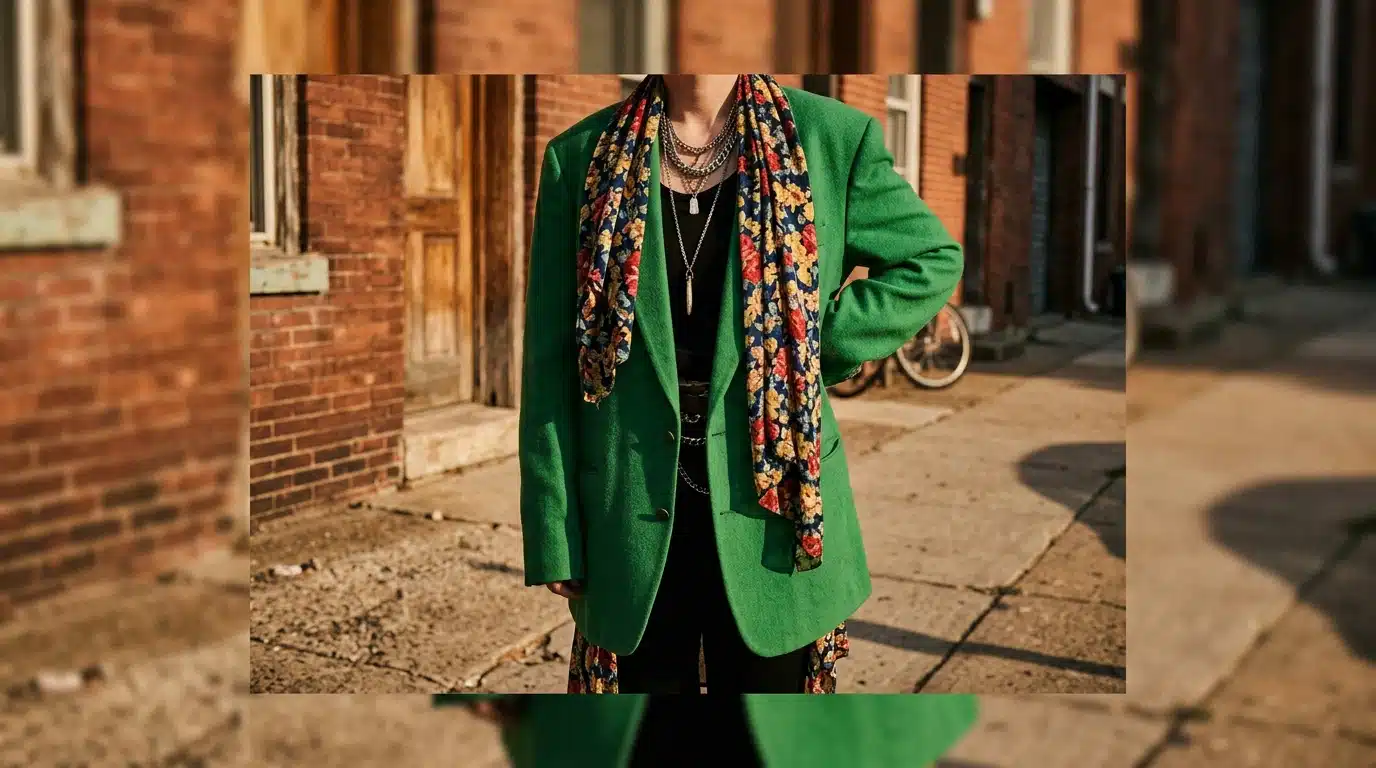
After perfecting the fit of your clothes, the next impulse is often to pile on the accessories. This is where many well-intentioned looks go wrong. Adding too many pieces—a statement necklace, stacked bracelets, a bold hat, and a loud bag—can create visual noise that completely drowns out your outfit. It’s a classic case of the accessories wearing you.
The goal is to complement, not compete. What most people miss is that accessories should serve a purpose, either by adding a focal point or by subtly tying elements together. Think of it like salting a dish; a little enhances the flavor, but too much makes it inedible. A recent analysis by the Parsons School of Design found that outfits with one or two key accessories were perceived as 45% more “put-together” than those with four or more competing pieces.
The Art of Strategic Accessorizing
Strategic accessorizing is about making deliberate choices rather than just adding things for the sake of it. A popular rule of thumb is to put on all your desired accessories and then take one piece off before you leave the house. This small act of editing forces you to consider which item is required. But how do you know which piece to remove? The key is to identify your outfit’s primary story and ensure every accessory supports it.
For instance, if you’re wearing a minimalist dress, a single architectural cuff or a unique handbag from an up-and-coming brand can provide a powerful focal point. This is a skill that develops as you get better at mastering fashion trends and understanding composition. The choice becomes an intentional highlight, not an afterthought—and it demonstrates confidence in your style selections.
Comparison: Statement vs. Subtle Accessories
Deciding between a bold statement piece and more delicate, subtle items is a daily style dilemma. Both have their place in urban fashion, but their impact is different. Understanding their respective strengths and weaknesses helps you align your accessories with your overall look and the impression you want to make.
- Statement Pieces: These are your conversation starters—a chunky necklace, an oversized watch, or a vividly colored bag. Their pro is obvious: they instantly add personality and a focal point to a simple outfit. The con? They can easily overwhelm your look and can sometimes feel dated if tied too closely to a fleeting trend, unlike the more timeless ideas seen in the current pulse of fashion. Use one at a time for maximum effect.
- Subtle Accessories: Think delicate chain necklaces, minimalist rings, or a classic leather belt. The strength of these pieces lies in their versatility and ability to add a polished finish without demanding attention. They work in layers and support a wide range of styles. The main drawback is that they can sometimes get lost or feel underwhelming if the rest of your outfit is very bold. Finding unique, subtle items often involves exploring what emerging designers are creating.
Ultimately, the choice isn’t about which is better, but about which best serves your outfit that day. The real skill is learning to mix both, pairing a statement piece with a few subtle counterparts to create a balanced, dynamic look that feels entirely your own.
Ignoring Context: Dressing for the Occasion and Environment
A flawless outfit can completely miss the mark if it clashes with its surroundings. What many people forget is that street style isn’t just about the clothes; it’s about how those clothes exist in a real-world environment. Wearing a heavy wool coat on a surprisingly warm spring day or delicate stilettos on gritty, cobblestoned streets is a classic misstep. It reads as a lack of awareness.
The issue is twofold: discomfort and visual dissonance. How can you project confidence when you’re physically uncomfortable? According to a recent poll by *Glamour*, 73% of respondents admitted to cutting an event short because their outfit was inappropriate for the weather. Beyond personal comfort, an out-of-context look can appear jarring — like you’re wearing a costume for a photoshoot rather than living your life.
True style means adapting.
Before you get dressed, take a moment to consider the day’s narrative. Think about the surfaces you’ll be walking on, the temperature shifts from outdoors to indoors, and the general vibe of your destination. This practical approach is a key part of mastering fashion trends for everyday life. It’s not about compromising your aesthetic; it’s about making your aesthetic work for you (and not the other way around).
Ultimately, the most compelling street style moments happen when an outfit feels both aspirational and appropriate. It shows an understanding not just of tomorrow’s threads but of today’s reality. This situational intelligence is what separates a well-dressed person from a true style icon.
The ‘Copycat’ Conundrum: Losing Individuality in Imitation
In the age of infinite scrolls and instant style inspiration, it’s incredibly tempting to see a perfectly curated look on an influencer and replicate it piece for piece. You see the exact blazer, the same viral sneakers, and the “it” bag of the moment. With a few clicks, the entire ensemble can be yours. But there’s a hidden cost to this convenience: the erosion of your individual style.
Directly copying an outfit is like tracing a drawing instead of learning to sketch. It might look good on the surface, but it lacks the soul and personal narrative that make fashion compelling. What most people miss is that great street style isn’t just about the clothes; it’s about the story the wearer is telling. Your style should be a reflection of your personality, experiences, and unique perspective. It should be yours.
From Inspiration to Innovation: Crafting Your Signature Look
Viewing a celebrity or influencer’s outfit as a rigid blueprint is a common misstep. A more effective approach is to treat it as a starting point—a suggestion rather than a command. Think of it like a recipe. You might see a recipe for pasta carbonara, but you decide to add mushrooms because you love them, or use whole wheat pasta because it’s what you have. The final dish is still recognizable, but it’s been adapted to your personal taste.
The same principle applies to fashion. That leather jacket an influencer wore might inspire you, but maybe you’ll find a vintage one with more character or choose a faux leather version in an unexpected color. True style innovation happens when you filter trends through your own personal lens, creating something that is both current and uniquely you. This is the essence of developing a unique fashion identity.
When Admiration Turns to Imitation: Signs to Watch For
It’s a fine line between drawing inspiration and falling into the trap of fashion imitation. The danger lies in losing your own voice in a sea of replicated trends. When your closet starts looking like a carbon copy of someone else’s feed, it’s time to reassess. This is where many well-intentioned fashion enthusiasts stumble.
The Pitfalls of Direct Replication
Dressing in a head-to-toe replica of someone else’s look can feel hollow and inauthentic. It often reads as a costume rather than a genuine expression of self. A study from the “Applied Fashion & Textiles Journal” found that individuals who developed a personal style reported a 27% higher level of self-confidence compared to those who primarily followed micro-trends directly from social media. When you simply copy, you bypass the important process of self-discovery—figuring out which silhouettes flatter your body, which colors lift your mood, and which pieces tell your story.
Injecting Personal Elements into Trending Styles
The key to avoiding the copycat street style label is personalization. Love the oversized blazer trend? Instead of buying the exact one everyone has, pair a similar blazer with your grandfather’s vintage watch or a necklace you bought on your travels. These personal touches are what elevate a look from trendy to timeless. They add layers of meaning that a store-bought ensemble just can’t replicate.
This is your chance to play. Swap out the suggested designer handbag for a quirky tote from an emerging artist. Instead of the popular sneaker, wear your trusty boots that have molded to your feet perfectly. For those just starting to experiment, mastering fashion trends as a beginner is about learning these substitution rules first.
Strategies for Cultivating a Unique Fashion Identity
Building a signature style doesn’t happen overnight. It’s a gradual process of experimentation, discovery, and refinement. “Your closet should be a collection of things you love, not a checklist of trends,” advises celebrity stylist Elena Garcia. “The goal is to find your uniform—the core pieces that make you feel like the best version of yourself—and then build around that.”
Consider these practical strategies to move from imitator to innovator:
- Conduct a Wardrobe Audit: Identify the top 10 items you wear most often. What do they have in common? This reveals the foundation of your authentic style—the silhouettes, fabrics, and colors you naturally gravitate towards.
- Develop a Signature Piece: Become known for something. Maybe it’s a collection of bold statement earrings, a specific style of hat, or always wearing a pop of a certain color. This becomes your personal trademark.
- Mix High and Low: Pair a high-fashion investment piece with a thrift store find. This juxtaposition creates visual interest and demonstrates confidence, showing that you value personal taste over price tags. It’s a technique often seen in the pulse of current fashion trends.
- Look Beyond the Obvious: Instead of only following major influencers, seek inspiration from vintage films, art, architecture, or local creatives. Diversifying your sources helps you develop a more distinct and well-rounded aesthetic. You can find incredible, unique pieces by following forecasts on emerging designers rather than just mainstream brands.
Ultimately, your personal style journey is an ongoing conversation with yourself. The most stylish people are those whose clothes are not just worn, but are lived in, telling a story that is entirely their own.
Beyond the Trend Cycle: What’s Next for Your Wardrobe?
Mastering street style is less about memorizing rules and more about developing a confident, editorial eye for your own life. The pitfalls discussed—over-styling, poor fit, and blind imitation—are merely symptoms of a larger issue: prioritizing fleeting trends over enduring personal expression. Moving forward, the most impactful style won’t come from what’s new, but from what’s uniquely you.
Instead of asking “What’s in style?” perhaps the better question is, “How does this piece contribute to my story?” As you curate your wardrobe, consider each item not as a disposable trend but as a long-term addition to your personal collection. The next time you’re tempted by a viral micro-trend, pause and challenge yourself to style an existing piece in your closet in a completely new way. This simple shift in perspective is the ultimate step toward crafting a look that not only turns heads but also stands the test of time.
Frequently Asked Questions
How can I tell if my outfit is over-styled?
An outfit is likely over-styled if it feels more like a costume than an expression of you. Key signs include visual clutter from too many competing trends, colors, or logos. If your look feels forced or you’re constantly adjusting multiple elements, try removing one accessory or statement piece to see if the outfit feels more cohesive and confident.
What are the most common fit mistakes people make in street style?
The most frequent fit mistakes involve ignoring key anchor points. This includes shoulder seams that droop or pull, trousers that are too long and bunch at the ankle, and fabric that strains across the chest or hips. Another common error is confusing an intentional ‘oversized’ silhouette with clothing that is simply too large and shapeless.
Is it okay to mix high-end and fast fashion pieces in one outfit?
Absolutely. Mixing high-end designer pieces with more affordable fast fashion or vintage finds is a hallmark of modern street style. The key is to invest in timeless, high-quality staples (like a great coat or bag) and use more accessible items to experiment with trends. It’s all about the curation and how you put them together, not the individual price tags.
How do I incorporate trends without losing my personal style?
The best approach is to be selective. Filter trends through the lens of your existing aesthetic—does this new item work with at least three other pieces you already own? Start small by incorporating a trend through accessories, like a handbag or a pair of shoes, before committing to a major garment. This allows you to experiment without overhauling your entire look.
What’s the best way to choose accessories for an urban look?
Choose accessories with a clear purpose. Either select one bold, statement piece (like a sculptural necklace or a unique bag) to be the focal point of a simple outfit, or layer several subtle, delicate items to add texture and a polished finish. Avoid having multiple ‘statement’ pieces that compete with each other and overwhelm your look.