Sustainable Fashion’s 2026 Outlook: 4 Eco-Friendly Fabrics Gaining 15% Market Share in the US
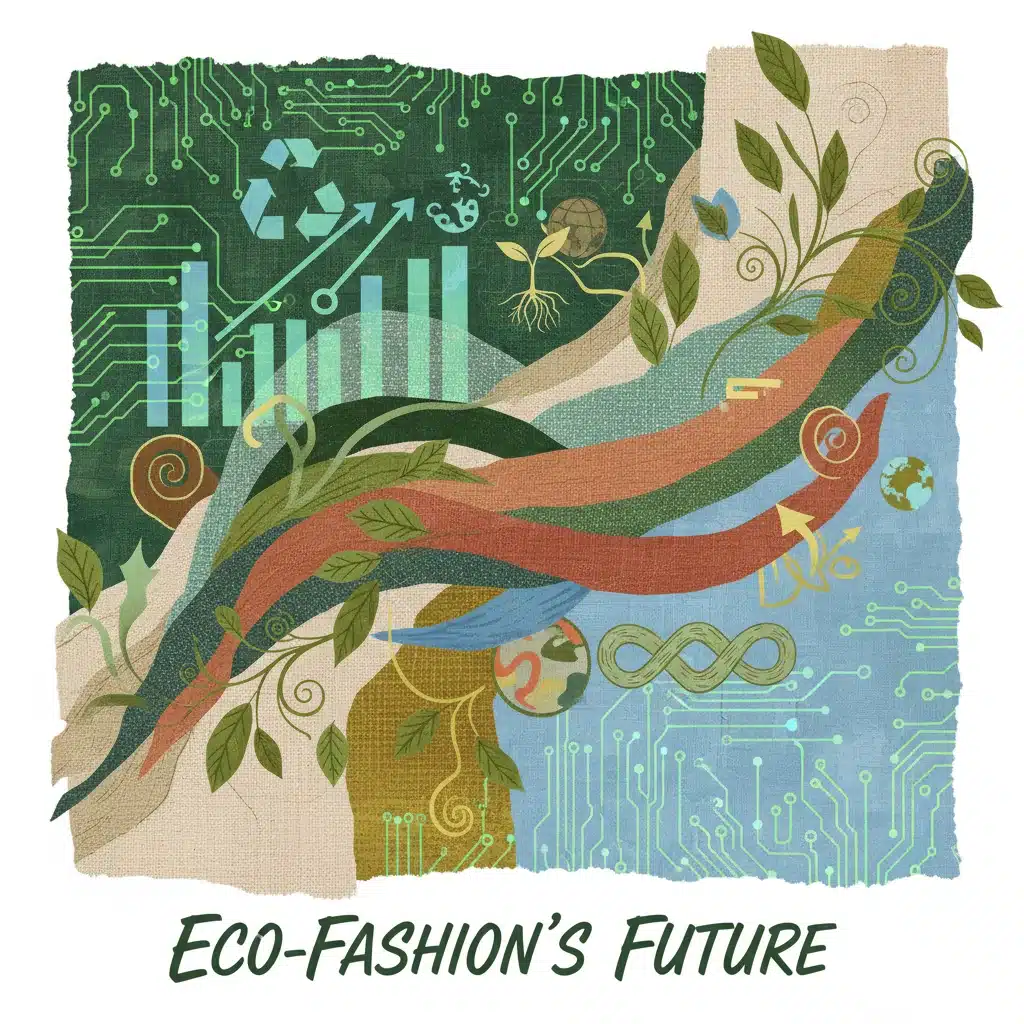
The fashion industry, long criticized for its significant environmental footprint, is undergoing a profound transformation. As consumers become increasingly conscious of their purchasing decisions, the demand for sustainable and eco-friendly alternatives is skyrocketing. This shift is not merely a passing trend but a fundamental reorientation towards a more responsible and ethical future. By 2026, experts predict that eco-friendly fabrics will capture a significant 15% of the US market share, driven by innovation, consumer awareness, and regulatory pressures. This article delves into the exciting outlook for sustainable fashion, spotlighting four key eco-friendly fabrics poised to lead this charge and redefine the industry landscape.
Understanding the impetus behind this monumental shift requires an examination of the fashion industry’s historical impact. From resource-intensive cultivation of conventional cotton to the energy-guzzling production of synthetic materials and the widespread use of harmful dyes, the environmental and social costs have been immense. Water pollution, colossal waste generation, carbon emissions, and exploitative labor practices have all contributed to a growing call for change. Sustainable fashion offers a beacon of hope, promising a future where style and ethics are not mutually exclusive but intrinsically linked.
The rise of sustainable fashion fabrics is a multi-faceted phenomenon. Technological advancements have made it possible to produce materials with significantly reduced environmental impact, often surpassing the performance of their conventional counterparts. Simultaneously, a new generation of consumers, particularly Gen Z and millennials, are actively seeking out brands that align with their values, prioritizing transparency, ethical production, and environmental stewardship. This demographic shift is forcing brands to re-evaluate their entire supply chain, from raw material sourcing to end-of-life solutions.
Government regulations and international agreements are also playing a crucial role in accelerating this transition. Policies aimed at reducing carbon emissions, promoting circular economy principles, and curbing waste are creating an environment where sustainable practices are not just preferred but becoming increasingly mandatory. Investors are also recognizing the long-term value in sustainable enterprises, channeling capital towards companies that are innovating in eco-friendly textiles and production methods. This confluence of consumer demand, technological innovation, and regulatory support paints a very optimistic picture for the growth of sustainable fashion fabrics.
The goal of reaching a 15% market share for eco-friendly fabrics in the US by 2026 is ambitious yet attainable. It signifies a critical tipping point where sustainable options move from niche to mainstream, becoming a significant force in the retail landscape. This growth will not be uniform across all fabric types; rather, certain materials, due to their inherent properties, scalability, and innovation potential, are better positioned to capture this expanding market. Let’s explore the four frontrunners in this sustainable revolution.
1. Organic Cotton: The Enduring Champion of Sustainable Fashion Fabrics
Organic cotton stands as a cornerstone of the sustainable fashion movement, and its market share is set to expand significantly. Unlike conventional cotton, which is notoriously chemical-intensive, organic cotton is grown without synthetic pesticides, herbicides, or genetically modified organisms (GMOs). This cultivation method not only protects biodiversity and soil health but also safeguards the well-being of farmers and surrounding communities. The absence of harsh chemicals also results in a softer, more breathable fabric that is less likely to cause skin irritation, making it a popular choice for sensitive skin and baby clothing.
The environmental benefits of organic cotton are substantial. It uses significantly less water than conventional cotton, especially when rain-fed, and its farming practices promote healthier ecosystems. By avoiding synthetic fertilizers, it reduces greenhouse gas emissions associated with their production. Furthermore, organic farming builds healthier soil, which acts as a carbon sink, sequestering carbon dioxide from the atmosphere. These factors collectively contribute to a much lower environmental footprint compared to its conventional counterpart.
While organic cotton has been around for decades, its growth in market share is being fueled by several factors. Firstly, increased consumer awareness regarding the environmental and health impacts of conventional cotton is driving demand. Consumers are actively seeking out certifications like GOTS (Global Organic Textile Standard) that guarantee the organic status of textiles from harvesting of the raw materials through environmentally and socially responsible manufacturing. Secondly, advancements in organic farming techniques are improving yields and making organic cotton more economically viable for farmers. Thirdly, major fashion brands are increasingly committing to using organic cotton in their collections, both to meet consumer demand and to fulfill their corporate social responsibility goals.
The versatility of organic cotton is another key factor in its enduring appeal. It can be woven into a vast array of textiles, from soft jersey knits for t-shirts and loungewear to durable denim for jeans and sturdy canvas for bags. Its natural breathability and comfort make it ideal for everyday wear, activewear, and even luxury items. As brands continue to innovate with organic cotton blends and finishes, its applications will only broaden. The forecast for 2026 suggests that organic cotton will not only maintain its strong position but also significantly contribute to the overall 15% market share of sustainable fashion fabrics, becoming an even more ubiquitous presence in our wardrobes.
Challenges remain, primarily in scaling production to meet surging demand and ensuring robust certification processes to prevent greenwashing. However, continuous investment in sustainable farming practices, farmer support programs, and consumer education will ensure organic cotton remains a dominant force in the sustainable textile market. Its inherent qualities and environmental advantages make it an indispensable part of the future of fashion.

2. Hemp: The Resurgent Powerhouse of Sustainable Fashion Fabrics
Hemp, once a staple crop, is experiencing a powerful resurgence as a leading sustainable fashion fabric. Often misunderstood due to its association with cannabis, industrial hemp is a distinct variety of the Cannabis sativa plant cultivated for its fibers, seeds, and oils, with negligible psychoactive compounds. Its environmental credentials are truly exceptional, positioning it as a strong contender to capture a significant portion of the sustainable textile market by 2026.
From an ecological perspective, hemp is a super crop. It requires very little water to grow, often relying solely on rainfall, and thrives without the need for pesticides or herbicides. This makes it an incredibly low-impact crop, preserving water resources and protecting soil health. Hemp also boasts a rapid growth cycle, maturing in as little as 90-120 days, allowing for multiple harvests per year. Furthermore, it is a phytoremediation plant, meaning it can absorb toxins from the soil, actively improving land quality. Its dense growth also suppresses weeds, reducing the need for chemical intervention.
The fibers derived from hemp are remarkably strong and durable, making them ideal for long-lasting garments. Historically, hemp was used for ropes, sails, and durable textiles due to its strength. Modern processing techniques have overcome the initial stiffness associated with raw hemp fibers, allowing for the creation of soft, breathable, and comfortable fabrics that drape beautifully. Hemp fabric naturally possesses antimicrobial properties, is resistant to UV light, and becomes softer with each wash, enhancing its appeal for everyday wear and active lifestyles.
The legal landscape surrounding industrial hemp cultivation in the US has significantly eased in recent years, particularly with the passage of the 2018 Farm Bill. This has opened the floodgates for increased domestic production and investment in hemp processing infrastructure. As more farmers turn to hemp, and as textile manufacturers refine their techniques for processing hemp fibers, the cost of production is expected to decrease, making hemp fabrics more accessible to a wider market. This scalability, combined with its unparalleled environmental benefits, positions hemp as a critical player in achieving the 15% market share target for sustainable fashion fabrics.
Innovations in hemp processing, such as enzymatic retting and advanced spinning technologies, are enabling the creation of finer, softer hemp yarns that can be blended with other fibers like organic cotton or Tencel to enhance drape and comfort. This versatility allows designers to incorporate hemp into a broader range of clothing, from structured outerwear to delicate blouses. The sustainable attributes, combined with its increasing availability and improved textile qualities, firmly establish hemp as a future leader in eco-friendly textiles.
3. Tencel (Lyocell/Modal): The Regenerative Cellulose Champion
Tencel, a brand name for lyocell and modal fibers produced by Lenzing AG, represents a significant leap forward in sustainable cellulose-based fabrics. Derived from sustainably sourced wood pulp, primarily eucalyptus, beech, and spruce, Tencel fibers are celebrated for their exceptional softness, breathability, and luxurious drape. What truly sets Tencel apart and positions it for substantial market growth by 2026 is its groundbreaking closed-loop production process.
The lyocell process, used for Tencel Lyocell, is particularly revolutionary. It involves dissolving wood pulp in a non-toxic organic solvent, which is then extruded through small holes to create fibers. Crucially, over 99% of this solvent is recovered and reused in a continuous loop, minimizing waste and preventing harmful discharges into the environment. This highly efficient process requires significantly less water and energy compared to conventional viscose production. Similarly, Tencel Modal fibers, while using a slightly different production method, also boast an environmentally responsible closed-loop system.
The wood pulp used for Tencel fibers comes from sustainably managed forests certified by organizations like the Forest Stewardship Council (FSC). This ensures that timber harvesting practices promote biodiversity, protect old-growth forests, and replant trees, contributing to responsible forestry and carbon sequestration. The entire life cycle of Tencel fibers, from tree to textile, is designed with sustainability in mind, making it a truly regenerative choice.
Beyond its environmental credentials, Tencel offers remarkable performance characteristics. It is renowned for its silky-smooth feel, excellent moisture-wicking properties, and breathability, making it ideal for activewear, intimate apparel, and luxurious everyday clothing. Its fibers are also strong and durable, resistant to wrinkles, and hold dye exceptionally well, resulting in vibrant, long-lasting colors. These qualities appeal to both consumers seeking comfortable, high-performance garments and designers looking for sustainable yet aesthetically pleasing materials.
The increasing adoption of Tencel by high-end and mainstream fashion brands alike is a clear indicator of its growing market presence. As consumers become more educated about fiber origins and production methods, the transparency and sustainability of Tencel’s supply chain resonate strongly. Its versatility in blending with other fibers like organic cotton or wool further expands its applications, allowing for a diverse range of textures and performance attributes. Tencel’s commitment to innovation and environmental stewardship ensures its prominent role in achieving the 15% market share goal for sustainable fashion fabrics in the coming years.
4. Recycled Polyester (rPET): Transforming Waste into Wearable Wonders
Recycled polyester, commonly known as rPET, is a game-changer in the sustainable fashion landscape, offering a compelling solution to plastic waste. Derived from post-consumer plastic bottles and other polyester waste, rPET transforms what would otherwise end up in landfills or oceans into new, high-quality textile fibers. Its ability to divert waste and reduce reliance on virgin petroleum resources makes it an indispensable component of the growing sustainable fashion fabrics market, projected to significantly contribute to the 15% target by 2026.
The environmental impact of rPET is substantial. By utilizing existing plastic waste, it significantly reduces the demand for virgin polyester, which is derived from fossil fuels. This translates to lower energy consumption (up to 59% less energy than virgin polyester production), reduced greenhouse gas emissions, and a decrease in reliance on non-renewable resources. Furthermore, it helps address the global plastic pollution crisis, giving a second life to millions of plastic bottles that would otherwise take hundreds of years to decompose.
The process of creating rPET typically involves collecting, sorting, cleaning, and then shredding plastic waste into flakes. These flakes are then melted down and extruded into new fibers, which can be spun into yarn. Modern recycling technologies have advanced to the point where rPET can achieve the same performance characteristics as virgin polyester, including durability, wrinkle resistance, quick-drying properties, and color retention. This makes it an ideal material for a wide range of applications, from activewear and swimwear to outerwear and even fashion garments.
The widespread availability of plastic waste as a raw material, coupled with the established infrastructure for polyester production, makes rPET highly scalable. Major brands across the apparel, footwear, and home goods sectors are increasingly integrating rPET into their product lines, driven by both consumer demand for sustainable options and their own corporate sustainability goals. The cost-effectiveness of rPET, particularly as recycling processes become more efficient, also makes it an attractive option for manufacturers looking to reduce their environmental footprint without compromising on performance or price.
While rPET is a powerful tool for circularity, it’s important to acknowledge ongoing challenges, such as microplastic shedding during washing and the need for robust recycling infrastructure for textiles themselves. However, continuous innovation in fiber technology, such as developing filters to capture microplastics and exploring chemical recycling methods that can break down polyester to its molecular components for infinite recycling, are addressing these concerns. The trajectory for rPET is one of continued growth and refinement, solidifying its position as a key sustainable fashion fabric for the future.

The Broader Impact and Future of Sustainable Fashion Fabrics
The projected 15% market share for eco-friendly fabrics in the US by 2026 is more than just a number; it signifies a monumental shift in the fashion industry’s ethos and operational practices. This growth in sustainable fashion fabrics is not occurring in isolation but is part of a larger movement towards a circular economy, where resources are kept in use for as long as possible, maximum value is extracted from them whilst in use, and then products and materials are recovered and regenerated at the end of each service life.
The increasing prevalence of organic cotton, hemp, Tencel, and recycled polyester will have a ripple effect across the entire supply chain. It will incentivize further innovation in textile science, leading to the development of even more sustainable materials, such as mushroom leather, algae-based dyes, and bio-synthetics. Investment in sustainable agriculture and responsible forestry will grow, supporting local economies and preserving natural resources. Furthermore, it will push manufacturers to adopt cleaner production processes, reduce water and energy consumption, and minimize chemical use.
Consumer education will continue to be a critical driver. As more information becomes accessible about the environmental and social impacts of fashion, consumers will become even more discerning, demanding transparency and accountability from brands. This empowers individuals to make informed choices that align with their values, fostering a culture of conscious consumption. Brands that prioritize sustainability will build stronger trust and loyalty with their customer base, gaining a competitive edge in an increasingly crowded market.
Collaboration across the industry is also vital. Brands, suppliers, innovators, and policymakers must work together to create scalable solutions, standardize certifications, and establish robust recycling and upcycling infrastructures. Initiatives like the Fashion Pact and various textile recycling programs are examples of such collaborative efforts aimed at accelerating the transition to a more sustainable fashion ecosystem. The goal is not just to produce sustainable fabrics but to create a fully sustainable life cycle for garments, from design to disposal and regeneration.
Looking beyond 2026, the trajectory for sustainable fashion fabrics is one of continuous evolution and expansion. The 15% market share is merely a stepping stone towards a future where sustainable materials are the norm, not the exception. Emerging technologies like CRISPR gene editing for enhancing plant fibers, advanced biomimicry for creating novel materials, and AI-driven supply chain optimization will further revolutionize textile production. The integration of digital passports for garments, enabling traceability and facilitating circularity, will become commonplace.
The challenges, of course, remain. Scaling these innovations, ensuring equitable access to sustainable materials for all brands, and educating a global consumer base are complex undertakings. However, the momentum is undeniable. The collective efforts of innovators, designers, consumers, and policymakers are forging a path towards a fashion industry that is not only stylish and profitable but also environmentally regenerative and socially just. The rise of eco-friendly fabrics like organic cotton, hemp, Tencel, and recycled polyester is a testament to this progress, signaling a brighter, greener future for fashion.
Conclusion: A Sustainable Thread Weaving the Future of Fashion
The outlook for sustainable fashion by 2026 is exceptionally promising, with eco-friendly fabrics poised to capture a significant 15% of the US market share. This growth is a testament to the power of innovation, conscious consumerism, and a collective commitment to environmental stewardship. Organic cotton continues to champion ethical farming, providing a soft and breathable alternative to its conventional counterpart. Hemp, with its minimal resource requirements and robust fibers, is reclaiming its historical significance as a versatile and durable textile. Tencel, through its revolutionary closed-loop production, offers a luxurious and regenerative option from sustainably sourced wood. And recycled polyester stands as a beacon of circularity, transforming plastic waste into high-performance garments.
These four sustainable fashion fabrics are not just materials; they represent a paradigm shift. They embody the principles of responsible resource management, reduced environmental impact, and ethical production. As their market share expands, they will drive further innovation, create new economic opportunities, and fundamentally reshape consumer expectations. The fashion industry is at a pivotal moment, moving away from a linear ‘take-make-dispose’ model towards a circular, regenerative one. The journey to a fully sustainable fashion ecosystem is ongoing, but the significant strides made by these eco-friendly fabrics by 2026 mark a crucial milestone. They are weaving a future where fashion is not only beautiful but also kind to our planet and its people, proving that style and sustainability can, and must, coexist harmoniously.


