Sustainable Streetwear in 2026: 7 Innovative US Brands Redefining Eco-Conscious Urban Fashion
Sustainable Streetwear in 2026: 7 Innovative US Brands Redefining Eco-Conscious Urban Fashion
The fashion landscape is constantly evolving, but few shifts have been as profound and necessary as the pivot towards sustainability. In 2026, the intersection of urban style and environmental responsibility has given rise to a vibrant new wave of sustainable streetwear brands. No longer a niche concept, eco-conscious fashion has become a driving force, with consumers increasingly demanding transparency, ethical production, and a reduced environmental footprint from their favorite labels.
Streetwear, with its roots in counter-culture and a strong emphasis on authenticity, is uniquely positioned to lead this revolution. The very essence of streetwear – individual expression and a connection to community – aligns perfectly with the values of sustainability. As we look ahead to 2026, a select group of innovative US brands are not just adapting to these changes; they are actively shaping the future of eco-conscious urban fashion. They are proving that style doesn’t have to come at the planet’s expense, offering cutting-edge designs crafted with integrity.
This article delves into the world of sustainable streetwear brands, spotlighting seven pioneering US labels that are making significant strides in redefining urban fashion. From utilizing groundbreaking recycled materials to championing fair labor practices and circular design, these brands are setting new benchmarks for responsibility and innovation in the industry. Join us as we explore their unique approaches, their commitment to the planet, and how they are dressing the conscious consumer of tomorrow.
The Rise of Eco-Conscious Urban Style: Why Sustainable Streetwear Matters
The global fashion industry has long been criticized for its environmental impact, from vast water consumption and chemical pollution to excessive waste and carbon emissions. However, a growing awareness among consumers, coupled with technological advancements, has fueled a demand for more responsible practices. Streetwear, often seen as a trend-driven segment, is now at the forefront of this change, proving that high fashion and high ethics can coexist.
Sustainable streetwear brands are addressing these concerns head-on. They are not just offering aesthetically pleasing garments; they are building a movement. This movement is characterized by:
- Resource Efficiency: Minimizing the use of virgin resources by incorporating recycled, upcycled, and organic materials.
- Reduced Waste: Implementing circular design principles, aiming for zero-waste production, and encouraging longevity and repair.
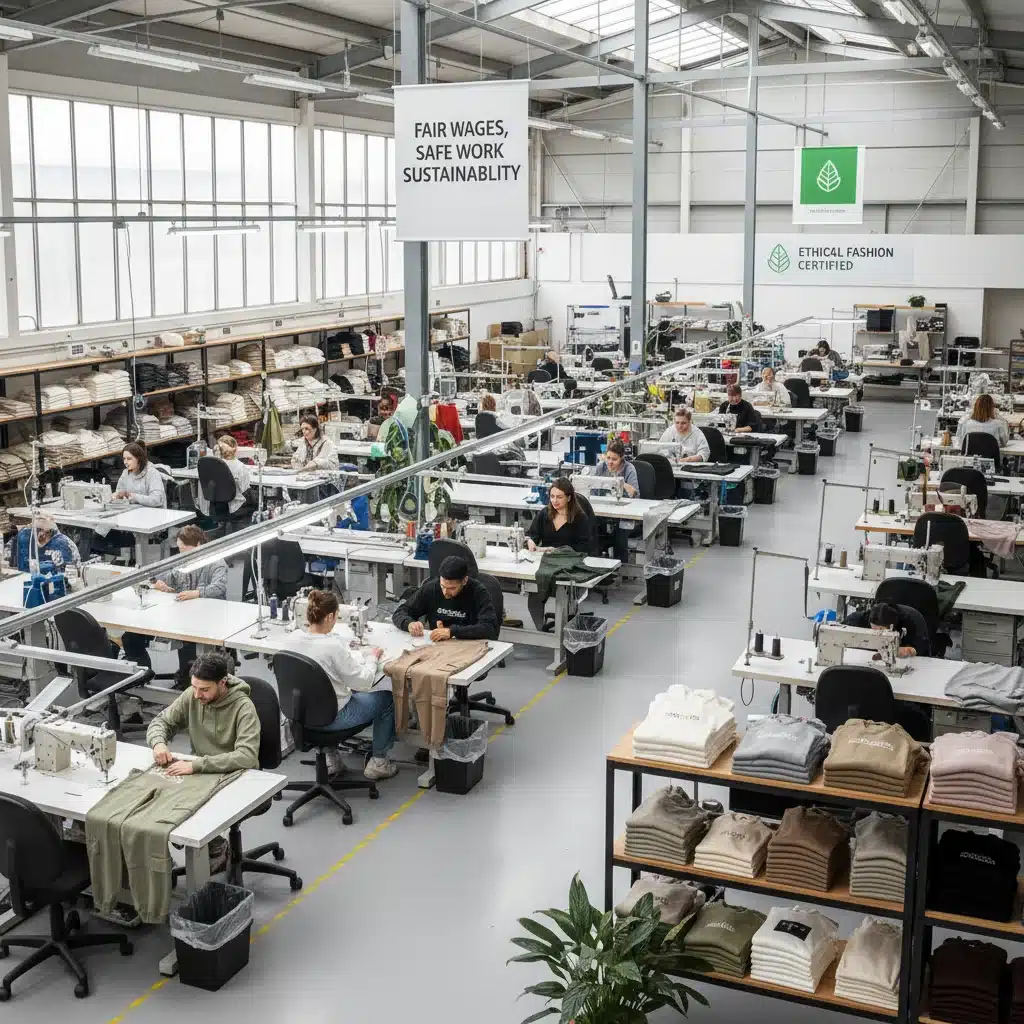
- Ethical Production: Ensuring fair wages, safe working conditions, and transparency throughout the supply chain.
- Lower Carbon Footprint: Investing in renewable energy, optimizing logistics, and reducing transportation emissions.
- Longevity and Quality: Creating durable, timeless pieces that resist the fast fashion cycle, promoting conscious consumption over constant acquisition.
By 2026, the influence of these principles is undeniable. Consumers are savvier, equipped with information, and actively seeking out brands that align with their values. The narrative has shifted: sustainability is no longer a compromise but a hallmark of quality and forward-thinking design. The brands we highlight below are perfect examples of this paradigm shift, demonstrating how innovative thinking can transform an entire industry.
Key Pillars of Sustainable Streetwear Innovation
What exactly makes a streetwear brand sustainable? It’s a multifaceted answer, involving a holistic approach to design, production, and business operations. The leading sustainable streetwear brands excel in several key areas:
Material Revolution: Beyond Organic Cotton
While organic cotton remains a staple, the frontier of sustainable materials has expanded dramatically. Brands are now leveraging:
- Recycled Synthetics: Polyester and nylon derived from ocean plastics, fishing nets, and post-consumer waste. This not only diverts waste from landfills and oceans but also reduces reliance on new petroleum.
- Bio-based Fabrics: Materials like Tencel (lyocell), made from sustainably sourced wood pulp, offer incredible softness and breathability with a closed-loop production process.
- Innovative Upcycling: Transforming pre-existing garments or deadstock fabrics into new, unique streetwear pieces, giving them a second life and reducing textile waste.
- Hemp and Linen: These ancient fibers are making a modern comeback due to their low water and pesticide requirements, as well as their durability.
- Mushroom Leather (Mycelium): A cutting-edge, cruelty-free alternative to animal leather, offering similar aesthetics and durability with a significantly lower environmental impact.
Circular Design and Longevity
The concept of a circular economy is central to truly sustainable fashion. This means designing products with their end-of-life in mind, aiming to keep materials in use for as long as possible. For sustainable streetwear brands, this translates to:
- Durability: Crafting high-quality garments that withstand the test of time, reducing the need for frequent replacements.
- Repairability: Designing pieces that can be easily repaired, and sometimes even offering repair services.
- Recyclability: Using mono-materials or easily separable components to ensure garments can be recycled into new fibers at the end of their life cycle.
- Upcycling Initiatives: Encouraging customers to return old garments for upcycling or recycling programs.
Transparency and Ethical Production
Knowing where and how clothes are made is paramount. Leading brands provide:
- Supply Chain Visibility: Tracing materials from source to finished product, often sharing this information with consumers.
- Fair Labor Practices: Partnering with factories that ensure fair wages, safe working conditions, and respect for workers’ rights. Certifications like Fair Trade are often sought.
- Local Production: Manufacturing closer to home to reduce transportation emissions and support local economies, a growing trend among US-based brands.
These pillars form the foundation upon which the most impactful sustainable streetwear brands are built. Their dedication to these principles is what sets them apart and positions them as leaders in the industry.
7 Innovative US Sustainable Streetwear Brands Redefining Urban Fashion in 2026
1. Renewed Threads: The Upcycling Architects
Based in Los Angeles, Renewed Threads has become synonymous with innovative upcycling. They source deadstock fabrics, vintage garments, and even industrial waste textiles, transforming them into entirely new, limited-edition streetwear collections. Their designs often feature patchwork, deconstructed elements, and unique silhouettes, ensuring that no two pieces are exactly alike. By giving new life to discarded materials, Renewed Threads champions creativity and significantly reduces textile waste. Their commitment extends to local production, employing skilled artisans in their LA studio, further minimizing their carbon footprint and supporting the local economy. They actively engage their community through workshops on textile repair and upcycling, fostering a deeper understanding of sustainable practices among their customer base.
2. OceanCurrent Apparel: From Plastic to Pavement
OceanCurrent Apparel, hailing from the Pacific Northwest, is making waves by tackling marine plastic pollution. Their entire line of hoodies, t-shirts, and tracksuits is crafted from high-quality recycled polyester derived from ocean-bound plastic bottles and fishing nets. Their innovative fabric technology results in durable, comfortable, and stylish garments that stand up to the rigors of urban life. Beyond their material choice, OceanCurrent Apparel dedicates a portion of its profits to ocean clean-up initiatives and marine conservation efforts. Their brand narrative is powerful, connecting the urban consumer directly to the environmental impact of their choices and offering a tangible solution. They are a prime example of how sustainable streetwear brands can make a direct, positive impact on environmental issues.

3. TerraForm Gear: Hemp & Organic Essentials
From the heartland of America, TerraForm Gear focuses on foundational streetwear pieces made from natural, low-impact fibers. Their core collection features heavy-duty hemp denim, ultra-soft organic cotton jerseys, and durable linen blends. TerraForm Gear emphasizes transparency in its supply chain, working directly with certified organic farms and fair-trade factories. Their designs are minimalist yet functional, prioritizing longevity and versatility. They believe in buying fewer, better things, and their garments are built to last, resisting the fast fashion cycle. TerraForm Gear also invests in regenerative agriculture projects, aiming to not only minimize their footprint but actively contribute to soil health and biodiversity. Their approach highlights how timeless design and superior materials define truly sustainable streetwear brands.
4. Urban Mycelium: The Fungi-Forward Innovators
Based in New York City, Urban Mycelium is at the cutting edge of material innovation, particularly with their pioneering use of mycelium-based ‘leather’ alternatives. Their limited-edition jackets, accessories, and footwear are crafted from this remarkable mushroom-derived material, offering a luxurious, cruelty-free, and biodegradable option to traditional leather. Beyond mycelium, they also incorporate bio-based dyes and closed-loop manufacturing processes. Urban Mycelium positions itself as a luxury sustainable streetwear brand, proving that eco-consciousness doesn’t mean sacrificing high-end aesthetics or quality. Their collections are highly sought after by those looking for truly innovative and impactful fashion choices.
5. LoopWear Collective: The Circularity Champions
LoopWear Collective, operating out of Portland, Oregon, is dedicated to closing the loop in fashion. They offer a unique take-back program where customers can return their worn-out LoopWear garments. These items are then either repaired, upcycled into new designs, or responsibly recycled into new fibers. Their clothing is designed for disassembly, making the recycling process more efficient. LoopWear’s collections feature modular designs, allowing for customization and extending the life of each piece. They use a blend of recycled and organic materials, and their manufacturing partners are rigorously vetted for ethical practices. LoopWear Collective is a beacon for circular fashion, demonstrating a viable model for how sustainable streetwear brands can operate with a truly regenerative mindset.
6. Solstice Threads: Sun-Powered & Socially Conscious
Emerging from sunny California, Solstice Threads combines environmental responsibility with social impact. Their manufacturing facilities are powered entirely by solar energy, dramatically reducing their carbon emissions. They specialize in vibrant, graphic-heavy streetwear, using water-based, non-toxic inks for their prints. Solstice Threads also has a strong commitment to fair labor, ensuring all their garment workers receive living wages and benefits. Furthermore, a percentage of their profits goes towards supporting educational programs in underserved communities. Their brand is a testament to how sustainable streetwear brands can integrate multiple layers of positive impact – environmental, social, and economic – into their core business model, creating a holistic approach to responsible fashion.
7. Flux Apparel: Tech-Forward & Ethical
Based in Austin, Texas, Flux Apparel represents the future of tech-infused sustainable streetwear. They leverage advanced manufacturing techniques, such as 3D printing for accessories and zero-waste pattern cutting, to minimize material waste during production. Their fabrics often incorporate smart technologies, like temperature-regulating recycled blends and water-repellent organic cottons, enhancing functionality and longevity. Flux Apparel is also a pioneer in digital transparency, using blockchain technology to track their supply chain, allowing customers to verify the origin and ethical journey of each garment with a simple scan. They represent the cutting edge of how technology can enhance both sustainability and consumer trust in sustainable streetwear brands.
The Future Landscape of Sustainable Streetwear
As we move further into 2026 and beyond, the trajectory for sustainable streetwear brands is clear: innovation will continue to accelerate, and consumer demand for responsible fashion will only intensify. The brands highlighted here are not just creating clothing; they are building a new paradigm for the industry. Their success demonstrates that profitability and purpose are not mutually exclusive but rather synergistic.
Expect to see even greater advancements in material science, with new bio-engineered fibers and closed-loop recycling systems becoming more mainstream. The push for hyper-transparency will likely lead to more widespread adoption of digital tracking technologies, giving consumers unprecedented insight into their clothing’s journey. Furthermore, the concept of ‘fashion as a service’ – rental, repair, and resale models – will become increasingly integrated into the business strategies of these forward-thinking brands, further promoting circularity and discouraging disposability.
The influence of these sustainable streetwear brands extends beyond their direct sales. They are inspiring larger, more established fashion houses to re-evaluate their practices, pushing the entire industry towards a more ethical and environmentally sound future. Their commitment to challenging the status quo, embracing innovation, and prioritizing people and the planet over pure profit is what makes them true leaders.
How to Support the Sustainable Streetwear Movement
As a conscious consumer, your choices have immense power. Supporting sustainable streetwear brands is more than just buying a piece of clothing; it’s an investment in a better future. Here’s how you can contribute to this growing movement:
- Do Your Research: Look beyond marketing claims. Investigate a brand’s transparency, certifications, and actual practices.
- Prioritize Quality Over Quantity: Embrace the philosophy of buying fewer, higher-quality items that will last longer.
- Read Labels: Familiarize yourself with sustainable materials and what they mean for the environment.
- Embrace Circularity: Look for brands with take-back programs, repair services, or those that use recycled materials. Consider buying second-hand or swapping clothes.
- Ask Questions: Engage with brands on social media or through customer service to inquire about their sustainability efforts. Your voice matters.
- Educate Others: Share your knowledge about sustainable fashion with friends and family, helping to spread awareness.
By consciously choosing to support sustainable streetwear brands, you become an active participant in shaping a fashion industry that respects both people and the planet. The future of urban style is not just about what looks good, but what does good.
Conclusion: A Stylish and Sustainable Future
The year 2026 marks a pivotal moment for the fashion industry, with sustainable streetwear brands leading the charge towards a more responsible and innovative future. The seven US brands highlighted – Renewed Threads, OceanCurrent Apparel, TerraForm Gear, Urban Mycelium, LoopWear Collective, Solstice Threads, and Flux Apparel – are shining examples of how creativity, ethical practices, and environmental stewardship can coalesce to redefine urban fashion. They are proving that style, authenticity, and sustainability are not mutually exclusive but rather inextricably linked in the modern wardrobe.
Their dedication to pioneering new materials, embracing circular design, ensuring ethical production, and fostering transparency is setting a new standard for the entire industry. As consumers, our role in this evolution is crucial. By making informed choices and supporting these visionary brands, we can collectively accelerate the shift towards a fashion ecosystem that is both stylish and sustainable. The era of eco-conscious urban fashion is not just a trend; it’s a fundamental transformation, and these brands are at its very heart, crafting the threads of a better tomorrow.