US Production Hubs 2026: Best States for Emerging Designers
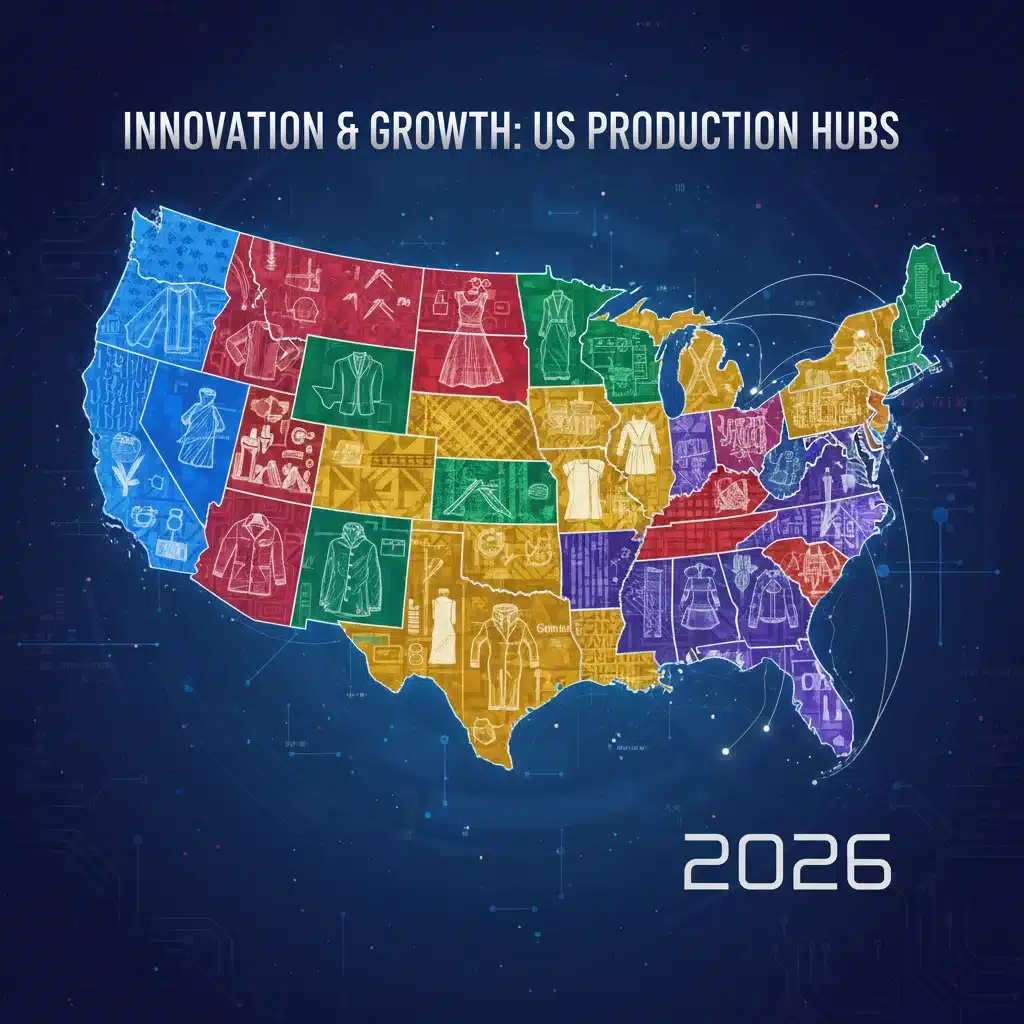
Comparing US Production Hubs: Which States Offer the Best Advantages for Emerging Designers in 2026?
The landscape of fashion and product design is constantly evolving, and for emerging designers, selecting the right production hub is paramount to success. As we look towards 2026, the United States continues to offer a diverse array of options, each with its unique advantages and challenges. From the historical textile centers of the Southeast to the innovative tech-driven manufacturing of the West Coast, understanding the nuances of each region is crucial. This comprehensive guide will delve into the leading US production hubs, analyzing their strengths, weaknesses, and what they offer to the next generation of creative entrepreneurs.
The decision of where to produce your designs goes beyond mere logistics; it impacts everything from supply chain efficiency and cost-effectiveness to brand identity and sustainability goals. Emerging designers often grapple with questions of minimum order quantities (MOQs), access to skilled labor, material sourcing, and the overall ecosystem that supports their vision. In an increasingly competitive market, leveraging the strengths of specific US production hubs can provide a significant competitive edge.
We will explore the key factors that influence this critical decision, including the availability of specialized manufacturing facilities, the cost of labor and operations, access to raw materials, the presence of a supportive design community, and the regulatory environment. By dissecting these elements, designers can make informed choices that align with their brand’s ethos and business objectives for 2026 and beyond.
The Enduring Appeal of US Manufacturing for Emerging Designers
In an era dominated by global supply chains, the appeal of domestic manufacturing, particularly within various US production hubs, has seen a resurgence. This trend is driven by several factors, including a growing consumer demand for transparency, ethical production, and faster turnaround times. For emerging designers, producing locally can offer unparalleled control over quality, closer collaboration with manufacturers, and the ability to respond swiftly to market trends.
One of the primary benefits of manufacturing within the United States is the assurance of ethical labor practices. Consumers are increasingly conscious of where and how their products are made, and “Made in USA” labels often signify adherence to fair wages, safe working conditions, and environmental regulations. This ethical positioning can be a powerful marketing tool for emerging brands looking to differentiate themselves in a crowded marketplace.
Furthermore, the geographical proximity offered by US production hubs significantly reduces lead times and shipping costs. This is particularly advantageous for designers operating with smaller production runs or those experimenting with new designs that require quick iterations. The ability to visit factories, oversee production, and build strong relationships with manufacturing partners fosters a sense of trust and ensures that the final product meets the designer’s exact specifications. This level of engagement is often difficult to achieve when working with overseas manufacturers.
The intellectual property protection offered within the US legal framework is another compelling reason for designers to choose domestic production. Safeguarding original designs and brand identity is crucial for emerging businesses, and the robust legal system in the United States provides a layer of security that can be challenging to navigate in international contexts. This peace of mind allows designers to focus on creativity and growth without constant worry about design infringement.
Finally, the “Made in USA” label itself carries a certain prestige and quality perception among consumers, both domestically and internationally. This can elevate a brand’s image and command higher price points, contributing to greater profitability for emerging designers. As we explore specific US production hubs, it will become clear how these overarching benefits manifest in different regions, offering tailored advantages to various design specializations.
Northeast: A Legacy of Craftsmanship and Innovation
The Northeast region of the United States, particularly states like New York, Massachusetts, and Pennsylvania, boasts a rich history in manufacturing and continues to be a significant player among US production hubs. New York City, in particular, remains an undisputed fashion capital, offering a unique ecosystem that supports designers from concept to creation.
New York: The Fashion Epicenter
New York City is more than just a design hub; it’s a comprehensive fashion ecosystem. For emerging designers, the advantages are multifold. The Garment District in Manhattan, though smaller than its heyday, still houses a concentration of pattern makers, sample makers, small-batch manufacturers, and specialty suppliers. This proximity allows for rapid prototyping and quick turnarounds, which are invaluable for designers needing to test ideas or fulfill smaller, exclusive orders. The ability to walk fabric swatches from one vendor to another, or to personally oversee a sample fitting, streamlines the development process immensely.
Beyond manufacturing, New York offers unparalleled access to talent, from skilled sewers and technical designers to marketing professionals and fashion journalists. The numerous fashion schools, such as FIT and Parsons, continuously feed new talent into the industry, fostering a vibrant and competitive environment. Furthermore, New York is home to countless showrooms, fashion events, and media outlets, providing crucial networking and exposure opportunities for emerging brands. While the cost of doing business in New York can be high, the sheer concentration of resources and opportunities often outweighs the expense for designers seeking to make a significant impact.
Massachusetts and Pennsylvania: Specialized Manufacturing
While less prominent in high fashion, states like Massachusetts and Pennsylvania contribute significantly to specialized manufacturing within US production hubs. Massachusetts has a strong legacy in textile innovation, particularly in technical textiles and performance wear. Emerging designers focused on sportswear, outdoor gear, or smart textiles might find valuable partners here, leveraging the state’s research and development capabilities and specialized factories.
Pennsylvania, on the other hand, offers a more diverse manufacturing base, including cut-and-sew operations for various apparel categories. The cost of labor and overhead can be more competitive than in New York, making it an attractive option for designers looking for quality production at a more accessible price point. Both states benefit from a skilled workforce with deep roots in industrial production, providing a reliable foundation for manufacturing quality goods.
Southeast: Textile Heritage Meets Modern Production
The Southeastern United States, particularly states like North Carolina, South Carolina, and Georgia, has historically been the heart of the American textile industry. Today, these states are reinventing themselves, combining their rich heritage with modern manufacturing techniques to remain competitive US production hubs.
North and South Carolina: Textile Powerhouses
North and South Carolina boast a strong concentration of textile mills, yarn manufacturers, and dyeing and finishing facilities. For emerging designers focused on knitwear, denim, or woven fabrics, these states offer direct access to raw materials and vertically integrated supply chains. This can lead to significant cost savings and greater control over the quality and sustainability of materials. Many factories in these states have invested heavily in modern machinery and sustainable practices, making them attractive partners for environmentally conscious brands.
The workforce in the Carolinas often has generations of experience in textile and apparel manufacturing, providing a deep pool of skilled labor. This expertise is crucial for intricate designs and specialized production processes. Furthermore, the lower cost of living and operating expenses compared to the Northeast can translate into more competitive pricing for production, which is a major consideration for emerging designers with limited budgets.
Georgia: Apparel Manufacturing and Logistics
Georgia, particularly the Atlanta metropolitan area, is emerging as a significant hub for apparel manufacturing and logistics. Its strategic location and excellent transportation infrastructure make it ideal for distribution. For emerging designers, Georgia offers a growing number of cut-and-sew factories, some specializing in activewear, uniforms, and even luxury goods. The state’s supportive business environment and initiatives to revive textile manufacturing also make it an attractive location.
Atlanta’s burgeoning fashion scene and access to a diverse talent pool further enhance its appeal. Designers can find resources for pattern making, sample creation, and small-batch production. The combination of established textile infrastructure in the Carolinas and the growing apparel and logistics capabilities in Georgia makes the Southeast a compelling region for a wide range of emerging designers.
West Coast: Innovation, Sustainability, and Niche Markets
The West Coast, spearheaded by California, stands out among US production hubs for its emphasis on innovation, sustainability, and its strong connection to the entertainment and lifestyle industries. This region caters to a different segment of emerging designers, often those focused on contemporary fashion, activewear, and eco-conscious brands.
California: Trendsetting and Sustainable Production
California, particularly Los Angeles, is a powerhouse for apparel manufacturing. It boasts a vast network of factories, ranging from large-scale operations to small, specialized workshops. The state is renowned for its quick-turnaround capabilities, essential for fast-fashion cycles and celebrity-driven trends. For emerging designers, this means the ability to produce small runs, test market demand, and scale up quickly if a product gains traction.
A significant advantage of California as a production hub is its strong commitment to sustainability. The state has stringent environmental regulations, and many manufacturers have adopted eco-friendly practices, including water conservation, waste reduction, and the use of sustainable materials. This aligns perfectly with the values of many emerging designers who prioritize ethical and environmentally responsible production. The availability of organic fabrics, recycled materials, and innovative textile technologies is also higher here, making it easier for designers to source sustainable components.
Furthermore, California’s proximity to Asia offers logistical advantages for sourcing certain raw materials and components, while still allowing for final assembly and finishing within the US. The state’s influence on global trends, coupled with its robust manufacturing infrastructure, makes it an attractive destination for designers looking to blend creativity with commercial viability.
Pacific Northwest: Outdoor and Technical Apparel
While not as large as California, the Pacific Northwest, particularly Oregon, is a niche but significant player among US production hubs, especially for outdoor, active, and technical apparel. Home to major sportswear brands, the region has developed a specialized ecosystem of manufacturers, material suppliers, and design talent focused on performance wear. For emerging designers creating innovative activewear, waterproof gear, or sustainable outdoor apparel, this region offers unparalleled expertise and resources.
The emphasis on research and development in technical textiles and advanced manufacturing techniques is a major draw. Designers can find partners who understand the complexities of bonding, seam sealing, and specialized fabric treatments. The region also benefits from a workforce that is often passionate about outdoor activities, bringing an authentic understanding to the production of performance-driven garments.
Midwest: Resurgence and Diversification
The Midwest, often overlooked in the fashion discourse, is experiencing a quiet resurgence in manufacturing, diversifying its role among US production hubs. States like Michigan, Ohio, and Illinois are leveraging their industrial heritage and skilled labor force to attract new businesses, including those in the design and apparel sectors.
The choice of a production hub is a foundational decision that can shape the trajectory of an emerging design brand. By carefully evaluating the unique advantages of different regions – from the heritage and innovation of the Northeast, the textile prowess of the Southeast, the trendsetting and sustainable practices of the West Coast, to the resurgent and diversified capabilities of the Midwest – designers can strategically position themselves for success in 2026 and beyond. The future of US manufacturing is bright, offering a wealth of opportunities for those ready to innovate and build their brands domestically.
Michigan and Ohio: Automotive to Apparel
Michigan, historically known for its automotive industry, is seeing a pivot towards other forms of manufacturing, including textiles and apparel. The state’s robust engineering talent and advanced manufacturing capabilities are being repurposed to create innovative production solutions. For emerging designers, this could mean access to cutting-edge technology and a workforce accustomed to precision and efficiency. There’s a growing movement towards reshoring manufacturing, and states like Michigan are actively working to attract these opportunities.
Ohio also offers a compelling case for emerging designers. With a strong history in textile manufacturing, particularly in specialized fabrics and industrial textiles, Ohio is well-positioned to support niche apparel production. The cost of doing business is generally lower than on the coasts, and the availability of skilled labor, particularly in areas with a manufacturing legacy, can be a significant advantage. Initiatives to support small businesses and manufacturing innovation are also making these states more attractive.
Illinois: Design and Manufacturing Synergy
Chicago, Illinois, serves as a significant commercial and design hub in the Midwest. While not as concentrated in apparel manufacturing as New York or Los Angeles, it offers a growing ecosystem of design studios, showrooms, and small-batch production facilities. For emerging designers, Chicago provides a balanced environment where design talent and manufacturing capabilities are increasingly converging. The city’s strong retail market and access to logistics networks further enhance its appeal.
The Midwest’s strength lies in its potential for diversification and its ability to offer competitive pricing without compromising on quality. As designers increasingly seek alternatives to traditional hubs, these states are likely to grow in importance as viable US production hubs.

Key Considerations for Emerging Designers in 2026
Beyond geographical location, emerging designers must weigh several critical factors when choosing a production partner within any of the US production hubs. These considerations will directly impact the success and sustainability of their brand.
Minimum Order Quantities (MOQs)
One of the biggest hurdles for emerging designers is meeting MOQs. Large factories often require high MOQs, which can be prohibitive for startups. When researching US production hubs, designers should prioritize regions or individual manufacturers known for their flexibility with smaller runs. Some hubs, like New York’s Garment District or specialized workshops in California, are better equipped to handle lower MOQs, allowing designers to test the market without significant upfront investment.
Specialized Skills and Equipment
Does your design require highly specialized skills or machinery? For example, intricate embroidery, advanced technical fabric construction, or unique finishing techniques. Certain US production hubs excel in specific areas. The Northeast might be strong in traditional tailoring, the Southeast in knitwear, and the Pacific Northwest in performance wear. Identifying a hub that possesses the specific expertise required for your product is crucial for achieving the desired quality and aesthetic.
Cost of Production
The cost of labor, materials, and overhead varies significantly across different US production hubs. While quality is paramount, budget constraints are a reality for most emerging designers. Balancing cost-effectiveness with desired quality and ethical standards is key. Regions in the Midwest and parts of the Southeast often offer more competitive pricing than the highly concentrated areas on the coasts. Designers should request detailed quotes and compare pricing structures to find a balance that works for their business model.
Supply Chain and Sourcing
Efficient supply chain management is vital. Consider the proximity of raw material suppliers to your chosen production hub. If you rely on specific types of fabrics, trims, or components, selecting a hub that is close to these suppliers can reduce lead times and shipping costs. Some US production hubs, particularly those with a strong textile history, offer integrated supply chains that can streamline the sourcing process.
Sustainability and Ethical Practices
For many emerging designers, sustainability is not just a buzzword but a core brand value. Research the environmental and labor practices of potential manufacturing partners within various US production hubs. Look for certifications, transparent supply chains, and a commitment to reducing environmental impact. California, in particular, has a strong emphasis on sustainable production, but many manufacturers across the US are adopting eco-friendly initiatives. Partnering with factories that align with your brand’s ethical stance can enhance your brand’s reputation and appeal to a growing segment of conscious consumers.
Logistics and Distribution
Consider how your finished products will be shipped and distributed to your customers. Proximity to major shipping ports, airports, and efficient ground transportation networks can significantly impact your logistics costs and delivery times. States like Georgia and Illinois, with their robust transportation infrastructures, offer advantages in this regard. Understanding the full logistical picture, from factory floor to customer doorstep, is essential for a smooth operation.
The Future of US Manufacturing for Designers
Looking ahead to 2026, the landscape of US production hubs is poised for continued evolution. Advances in technology, such as automation, 3D printing, and digital design tools, are making domestic manufacturing more efficient and competitive. These innovations can reduce lead times, minimize waste, and enable greater customization, all of which benefit emerging designers.
There’s also a growing emphasis on localized production and regional supply chains. This trend is driven by a desire for greater resilience in the face of global disruptions, a focus on reducing carbon footprints, and a commitment to supporting local economies. Emerging designers who embrace these localized strategies within specific US production hubs can build stronger, more adaptable businesses.
Furthermore, educational institutions and government initiatives are increasingly supporting the revitalization of US manufacturing. Programs that train skilled workers, provide access to funding for small businesses, and foster collaboration between designers and manufacturers are critical for nurturing the next generation of brands. As these support systems strengthen, the opportunities for emerging designers within various US production hubs will only expand.
The choice of a production hub is a foundational decision that can shape the trajectory of an emerging design brand. By carefully evaluating the unique advantages of different regions – from the heritage and innovation of the Northeast, the textile prowess of the Southeast, the trendsetting and sustainable practices of the West Coast, to the resurgent and diversified capabilities of the Midwest – designers can strategically position themselves for success in 2026 and beyond. The future of US manufacturing is bright, offering a wealth of opportunities for those ready to innovate and build their brands domestically.
Conclusion: Making the Informed Choice
The journey of an emerging designer is fraught with critical decisions, and perhaps none is as impactful as selecting the right production partner and geographical hub. The United States offers a rich tapestry of manufacturing capabilities across its various regions, each presenting distinct benefits for different design specializations and business models. From the bustling fashion ecosystem of New York to the sustainable innovation of California, and the cost-effective craftsmanship of the Southeast and Midwest, the options are diverse and compelling.
In 2026, success for emerging designers will hinge on a meticulous evaluation of factors such as MOQs, specialized skills, cost structures, supply chain efficiency, and a commitment to ethical and sustainable practices. The ideal US production hubs will not only meet the immediate production needs but also align with the long-term vision and values of the brand. By conducting thorough research, engaging in open communication with potential partners, and understanding the nuances of each region, designers can forge strong, lasting relationships that foster growth and innovation.
Ultimately, the best US production hubs are those that provide a supportive environment where creativity can flourish, quality can be maintained, and ethical practices are upheld. As the demand for domestically produced goods continues to grow, emerging designers have an unprecedented opportunity to build successful, responsible, and impactful brands right here at home. Make an informed choice, and watch your vision come to life.